
Compare models

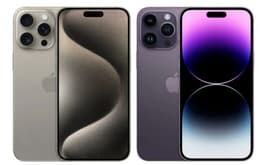
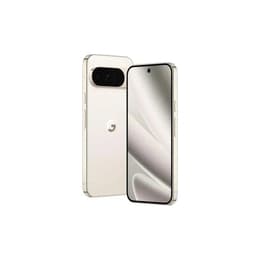
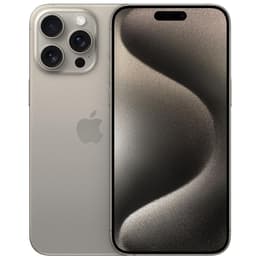
Google Pixel 10 Pro XL • Unlocked vs iPhone 15 Pro Max • Unlocked

  • 1-year warranty
  • Free standard shipping
  • Free 30-day returns
Google Pixel 10 Pro XL • Unlocked
Starting at

Refurbished price:$718.50

Versus $1,199.00 new

See options
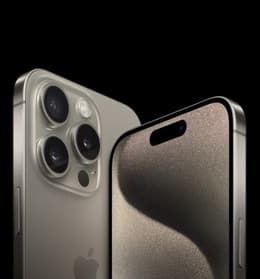
iPhone 15 Pro Max • Unlocked
Starting at

Refurbished price:$628.00

Versus $1,199.00 new

See options

Differences at a glance

The Google Pixel 10 Pro XL (2025) and the Apple iPhone 15 Pro Max (2023) represent large-format flagship smartphone offerings from two major tech ecosystems. While they differ in their release timelines and operating systems—running Android and iOS respectively—both devices cater to users seeking expansive screens, versatile camera configurations, and dependable everyday capability.

Available Models

Color

Storage (GB)

Scores

Durability

Both smartphones provide solid build standards and prolonged support timelines, though their market entry years introduce different windows for future software updates.

  • Software Support Window: The Google Pixel 10 Pro XL benefits from an extended multi-year update commitment typical of recent Android flagships, while the iPhone 15 Pro Max relies on Apple's established track record of multi-year iOS longevity.
  • Repairability and Build: Both devices incorporate robust structural materials and display protection glass, though independent repair assessments show variations in part availability and modular replacement ease.
  • Expected Lifespan: Practical hardware endurance is high for both models, allowing them to remain functionally relevant for several years of daily routine use.

Release Year

2025

2023

OS

Android

iOS

Foldable

No

No

Performance

Underneath their exteriors, both devices manage demanding workloads and multitasking efficiently, though they utilize different hardware architectures to handle daily demands.

  • Multitasking and Responsiveness: Generous memory allocation allows both models to switch between heavy productivity applications, streaming media, and intensive background tasks without noticeable lag.
  • Battery Behavior: Both units incorporate large-capacity batteries designed to endure full days of mixed usage, though individual screen-on time varies depending on network connectivity and display brightness settings.
  • Storage Configurations: Both devices offer ample baseline storage tiers alongside larger capacity options to accommodate extensive local photo libraries and downloaded media.

Screen quality

Display technology is a core focus for both large-format devices, providing crisp text rendering and wide color gamuts for media consumption.

  • Panel Technology: Both models utilize advanced organic light-emitting diode panels that deliver deep contrast levels, rich colors, and wide viewing angles.
  • Outdoor Visibility: High maximum brightness thresholds on both screens ensure legibility under direct sunlight or bright ambient lighting conditions.
  • Smoothness and Refresh Rate: Adaptive refresh rate technology scales up to high frequencies for fluid scrolling and interactive animations, dropping down during static content to conserve battery life.

Resolution

1344 x 2992

1290 x 2796

Screen type

LTPO OLED

LTPO Super Retina XDR OLED

Audiovisual

Photography and video recording suites on these devices offer comprehensive toolsets equipped for varied creative scenarios and everyday documentation.

  • Lens Configurations: Both systems pair high-resolution main sensors with ultra-wide options and dedicated telephoto modules featuring optical zoom capabilities for distant subjects.
  • Low-Light and Processing: Computational photography features assist in preserving shadow detail and minimizing noise in dimly lit environments, yielding clear output across various settings.
  • Audio and Video: Built-in microphone arrays capture clean speech during calls and video recording, complemented by stereo speaker setups that deliver balanced audio output for media playback.

Miscellaneous

Practical everyday features, physical dimensions, and connectivity standards shape how each device fits into travel and routine use.

  • Connectivity and Ports: Both models support modern cellular networks and Wi-Fi standards, utilizing a universal reversible charging port format for power delivery and data transfer.
    • Biometric Security: Secure authentication is handled via facial scanning or integrated fingerprint recognition depending on the chosen ecosystem.
    • Physical Handling: Large screen footprints result in substantial physical dimensions and weights, making two-handed operation comfortable for extended tasks.

Weight

8 oz

221 oz

Screen size (inches)

6.8

6.7

Network

5G

5G

SIM card

eSIM

eSIM

Carrier compatibility

Unlocked

Unlocked

Connector

USB-C

USB-C (USB 3)

What the community thinks

User feedback from online communities highlights distinct praise points for each ecosystem. Pixel 10 Pro XL users frequently mention appreciation for clean software navigation, deep integration of smart assistant tools, and flexible photographic customization. Conversely, iPhone 15 Pro Max owners often praise consistent video recording stabilization, robust app ecosystem optimization, and stable long-term resale value. Common criticisms for both models center on their large physical footprints, which can feel heavy during prolonged one-handed use, and high initial retail costs.

Users prioritizing deep customization, flexible file management, and integrated assistant features may prefer the Google Pixel 10 Pro XL, while users invested in Apple's ecosystem who value streamlined video tools and long-term software cohesion often lean toward the iPhone 15 Pro Max. For consumers exploring sustainable purchasing routes, choosing a quality-assured refurbished option provides a practical, eco-friendly alternative to purchasing new devices. Ultimately, the choice depends on personal preference for operating systems and hardware layout rather than a definitive performance gap.

Our recent comparisons