
iPhone 14 Plus • Unlocked vs iPhone 16 Pro • Unlocked

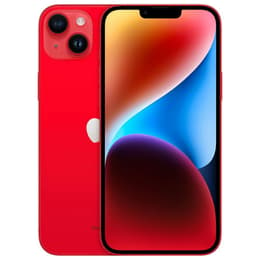
iPhone 14 Plus • Unlocked
Starting at

Refurbished price:$288.32

Versus $729.00 new

See options
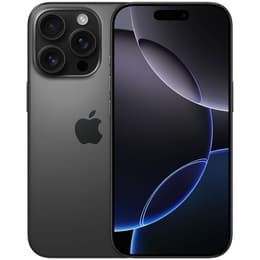
iPhone 16 Pro • Unlocked
Starting at

Refurbished price:$621.98

Versus $999.00 new

See options

Ratings

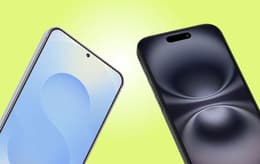
The iPhone 14 Plus, released in October 2022, and the iPhone 16 Pro, launched in September 2024, represent different tiers and generations within Apple's smartphone lineup. While both operate on Apple's iOS platform, the iPhone 16 Pro introduces advancements in processing power, camera technology, and display features, reflecting its newer release and professional-grade positioning.

Scores

Durability

Evaluating the practical lifespan of these devices involves considering their release timelines and expected software support.

  • Release and Support: The iPhone 14 Plus, released in late 2022, benefits from Apple's consistent software updates, likely receiving major iOS versions for several more years. The iPhone 16 Pro, being a 2024 release, will naturally have a longer period of guaranteed software support, extending its functional life further into the future.
  • Durability Features: Both models feature a Ceramic Shield front cover for enhanced screen protection and an IP68 rating for water and dust resistance, contributing to their physical resilience. The iPhone 16 Pro, however, incorporates a titanium frame, which offers a strong yet lightweight design, and features a later generation of Ceramic Shield technology.
  • Repairability: While specific repairability scores can vary, both iPhones are designed with internal components that require specialized tools and expertise for repair. The iPhone 14 Plus was noted for a more repair-friendly design compared to some predecessors, and the iPhone 16 Pro continues to evolve in this area, with some teardowns highlighting reparable battery features.

Release Year

2022

2024

Last OS Compatibility

Yes

Yes

Foldable

No

No

Performance

The performance capabilities of these two iPhones show a generational leap, impacting how they handle demanding tasks and everyday usage.

  • Processing Power: The iPhone 14 Plus is powered by a capable processor that handles daily applications, multitasking, and graphics-intensive games smoothly. The iPhone 16 Pro, featuring a newer generation processor, offers a significant increase in processing speed and efficiency, resulting in faster app loading, more fluid multitasking, and enhanced performance for advanced applications and gaming.
  • Multitasking and Responsiveness: With 6GB of RAM, the iPhone 14 Plus provides a responsive experience for typical user workflows. The iPhone 16 Pro is expected to include 8GB of RAM, which further enhances its ability to manage numerous applications simultaneously and maintain overall system responsiveness, particularly beneficial for power users and content creators.
  • Storage Options: Both devices offer a range of internal storage configurations, starting from 128GB and extending to 512GB for the iPhone 14 Plus. The iPhone 16 Pro expands these options, including a 1TB variant, catering to users with extensive storage needs for photos, videos, and applications.

Memory (GB)

6 GB

8 GB

Screen quality

The display experience differs between these models, primarily in refresh rate and overall brightness capabilities.

  • Display Technology and Size: Both iPhones feature Super Retina XDR OLED displays, delivering deep blacks and vibrant colors. The iPhone 14 Plus has a 6.7-inch display, providing ample screen real estate. The iPhone 16 Pro features a slightly smaller 6.3-inch display, but with thinner bezels, maximizing the viewing area.
  • Refresh Rate: A key difference lies in the refresh rate. The iPhone 14 Plus utilizes a standard 60Hz refresh rate. In contrast, the iPhone 16 Pro incorporates ProMotion technology, offering an adaptive refresh rate that can scale from 1Hz to 120Hz. This results in noticeably smoother scrolling, more fluid animations, and a more responsive feel, especially during gaming or fast-paced content.
  • Brightness and Clarity: The iPhone 14 Plus offers a typical brightness of 800 nits and a peak HDR brightness of 1200 nits. The iPhone 16 Pro enhances this with a typical brightness of 1000 nits, a peak HDR brightness of 1600 nits, and an impressive peak outdoor brightness of 2000 nits, improving visibility in bright environments.

Resolution

1284 x 2778

1206 x 2622

Screen type

Super Retina XDR OLED

LTPO Super Retina XDR OLED

Audiovisual

Camera systems on both devices are highly capable, but the iPhone 16 Pro introduces significant advancements, particularly for professional-grade photography and videography.

  • Rear Camera System: The iPhone 14 Plus features a dual 12MP camera system, comprising a main wide lens and an ultra-wide lens, capable of capturing detailed photos and videos with features like Photonic Engine for improved low-light performance. The iPhone 16 Pro steps up with a triple camera system, including a 48MP main camera, a 48MP ultra-wide camera with autofocus, and a 12MP telephoto lens offering 5x optical zoom.
  • Photography Features: Both phones offer features like Portrait Mode, Night Mode, and Photographic Styles. The iPhone 16 Pro's larger sensors and advanced computational photography capabilities, including a second-generation quad-pixel sensor for its main camera, contribute to superior detail, dynamic range, and low-light performance across all lenses.
  • Video Capabilities: The iPhone 14 Plus supports 4K HDR video recording up to 60fps, with Cinematic Mode and Action Mode for stabilized footage. The iPhone 16 Pro elevates video recording with support for 4K at 120fps and ProRes Log video, offering greater flexibility for post-production and professional video workflows.

Main camera

12 megapixels

48 megapixels

Front camera

12 megapixels

12 megapixels

Miscellaneous

Beyond core features, several practical elements differentiate the user experience between these two iPhone models.

  • Connectivity and Ports: The iPhone 14 Plus utilizes the Lightning connector for charging and data transfer, and supports Wi-Fi 6 and Bluetooth 5.3. The iPhone 16 Pro transitions to a USB-C port, offering faster data transfer speeds (USB 3 up to 10Gb/s) and broader compatibility with accessories. It also supports the newer Wi-Fi 7 standard and likely an updated Bluetooth version.
  • Biometric Security and Interaction: Both devices rely on Face ID for secure authentication. The iPhone 16 Pro introduces the customizable Action Button, replacing the traditional mute switch, which can be programmed for various functions like launching the camera or activating a shortcut.
  • Design and Handling: The iPhone 14 Plus features an aluminum frame. The iPhone 16 Pro utilizes a titanium frame, contributing to a lighter yet robust build. While both offer large displays, the iPhone 16 Pro achieves thinner bezels, providing a more immersive screen experience within its slightly adjusted dimensions.

Weight

7 oz

7030 oz

Screen size (inches)

6.7

6.3

Network

5G

5G

SIM card

eSIM

eSIM

Carrier compatibility

Unlocked

Unlocked

Connector

Lightning

USB-C (USB 3)

The iPhone 14 Plus and iPhone 16 Pro cater to users with distinct priorities, reflecting their generational and feature differences. Users often praise the iPhone 14 Plus for its exceptional battery life, which many reviewers found to last through extended periods of use, sometimes even for two full days. Its large display is also frequently highlighted as a benefit for media consumption and general viewing. However, some users noted its 60Hz display refresh rate as a point of comparison to other devices.

The iPhone 16 Pro, as a newer and more advanced model, receives acclaim for its significantly upgraded camera system, particularly the enhanced low-light performance and the versatility of its multiple lenses, including the 5x telephoto zoom. Its ProMotion display, offering a smoother visual experience, and the faster processing power are also frequently cited as major advantages. Some initial durability tests, however, suggested that its ultra-thin bezels might make it susceptible to damage from certain drops, despite the improved Ceramic Shield.

Users prioritizing extended battery life and a large, vibrant display for everyday tasks and media consumption may find the iPhone 14 Plus well-suited to their needs. For those who require cutting-edge camera capabilities, superior processing power for demanding applications, and a smoother, more responsive display, the iPhone 16 Pro presents a compelling option. Both devices offer a quality-assured refurbished option, providing an eco-friendly alternative for consumers seeking advanced technology with a reduced environmental footprint.

See all articles

Our recent comparisons