
Compare models
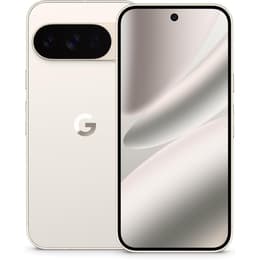
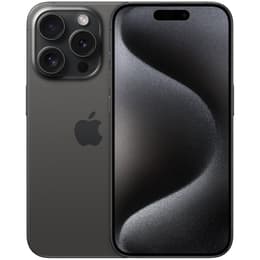
Google Pixel 10 Pro • Unlocked vs iPhone 15 Pro • Unlocked
- 1-year warranty
- Free standard shipping
- Free 30-day returns
Differences at a glance
The Google Pixel 10 Pro (2025) and the iPhone 15 Pro (2023) represent high-end mobile computing from two distinct software ecosystems. While both devices deliver premium handheld experiences, they differ fundamentally in their approach to interface design, daily multitasking, and ecosystem integration. Operating on Android and iOS respectively, these smartphones cater to users looking for polished flagship capability framed by different software philosophies.
Available Models
Color
Storage (GB)
Scores
Durability
Both handsets are engineered for longevity, though their release schedules and update patterns differ to accommodate varied user expectations for long-term ownership.
- Software Support Window: Google provides multi-year operating system upgrades and security patches for extended usability, while Apple maintains a traditionally lengthy update lifecycle spanning numerous years of software releases.
- Build Resilience: The Pixel 10 Pro features reinforced glass protection and an aluminum frame, whereas the iPhone 15 Pro utilizes a grade 5 titanium enclosure paired with specialized front glass for everyday impact resistance.
- Practical Lifespan: Both models retain processing headroom and battery health efficiently over time, making a quality-assured refurbished option a sustainable choice for reducing electronic waste without sacrificing durability.
Release Year
2025
2023
OS
Android
iOS
Foldable
No
No
Performance
Underneath the surface, each device handles intensive daily workflows, demanding applications, and background processes through distinct hardware integration.
- Multitasking Capacity: The Pixel 10 Pro relies on generous random access memory allocation to keep numerous heavy applications active simultaneously, while the iPhone 15 Pro optimizes memory management to maintain smooth transitions across tasks.
- System Responsiveness: Both smartphones handle high-end gaming and rapid app launching smoothly, offering fluid daily navigation without noticeable stutter or thermal throttling during standard usage.
- Storage Configurations: Multiple internal capacity tiers are available across both lineups, allowing users to select appropriate space for extensive media libraries and large document caches.
Screen quality
Viewing experiences on both models emphasize clarity, high contrast ratios, and comfortable outdoor visibility.
- Display Technology: Both smartphones utilize advanced organic light-emitting diode panels that deliver deep black levels, vivid color reproduction, and sharp text rendering.
- Refresh Dynamics: Adaptive high refresh rate technology ensures that scrolling through web pages and moving through system menus appears consistently fluid on both screens.
- Outdoor Legibility: Peak brightness outputs allow both displays to remain clearly legible under direct sunlight, ensuring comfortable usage in bright outdoor environments.
Resolution
1280x2856
1179 x 2556
Screen type
LTPO OLED
LTPO Super Retina XDR OLED
Audiovisual
Imaging capabilities on these devices cater to everyday photography and detailed video recording through multi-lens configurations.
- Lens Array: Both models feature a primary wide lens, an ultra-wide option, and a dedicated telephoto camera for optical zoom versatility across varied distances.
- Low-Light Capture: Advanced sensor hardware and computational processing work together to reduce noise and retain detail in dim environments.
- Audio and Video: High-definition video recording features robust stabilization, complemented by clear internal microphone arrays for voice calls and media creation.
Main camera
Pro triple rear camera system
48 megapixels
Front camera
42 MP Dual PD selfie camera with autofocus
12 megapixels
Miscellaneous
Physical dimensions and connectivity standards shape how each device fits into everyday routines and travel scenarios.
- Handling and Form Factor: The Pixel 10 Pro features a 6.3-inch display with a balanced weight distribution, while the iPhone 15 Pro offers a slightly more compact 6.1-inch footprint framed in textured metal.
- Connectivity Standards: Both devices support current-generation cellular networks, rapid wireless protocols, and accurate satellite positioning systems.
- Interface Ports: Each model utilizes a standard reversible connection port for wired charging and data transfer, moving away from proprietary legacy connectors.
Weight
7 oz
187 oz
Screen size (inches)
6.3
6.1
Network
5G
5G
SIM card
eSIM
eSIM
Carrier compatibility
Unlocked
Unlocked
Connector
USB-C
USB-C (USB 3)
What the community thinks
User discussions across community forums highlight distinct preferences when evaluating these two smartphones. Owners frequently praise the Pixel 10 Pro for its conversational artificial intelligence integrations, clean interface layout, and versatile photo editing tools. At the same time, users often cite occasional warmth during extended processing tasks as a minor drawback. Conversely, supporters of the iPhone 15 Pro frequently highlight its compact ergonomics, reliable video recording stabilization, and seamless integration with other computer and tablet hardware. Criticisms for the Apple device occasionally center on restricted file management flexibility compared to open operating systems.
Users prioritizing deep customization options, expansive memory for heavy multitasking, and integrated assistant features may prefer the Google Pixel 10 Pro. Meanwhile, users prioritizing a compact physical footprint, robust video production tools, and long-standing ecosystem continuity will find the iPhone 15 Pro well-suited to their workflow. Exploring a quality-assured refurbished option provides an eco-friendly pathway to experiencing either of these capable flagships while supporting sustainable technology habits.