
Samsung
Compare models
Differences at a glance
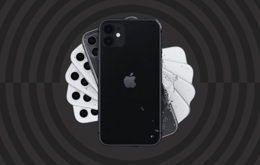
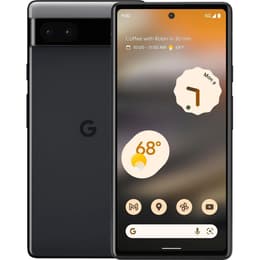
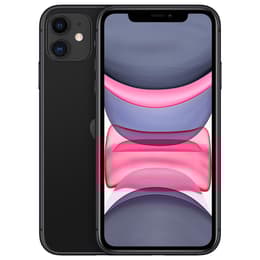
The Google Pixel 6a, released in July 2022, and the iPhone 11, launched in September 2019, are both smartphones that offer distinct user experiences. While the Pixel 6a operates on Android and features Google's custom-designed processor, the iPhone 11 runs on Apple's iOS and is powered by its proprietary chip. These devices present different approaches to mobile technology, with the Pixel 6a focusing on advanced computational photography and a streamlined Android experience, and the iPhone 11 providing a robust iOS ecosystem with strong camera capabilities.
Color
Storage
When considering the long-term usability of these devices, their release timelines and software support policies are key factors.
Release Year
Last OS Compatibility
OS
Foldable
The performance of a smartphone is crucial for daily tasks, from app usage to multitasking and gaming.
The display is a primary interface for users, and differences in technology and specifications can significantly impact the viewing experience.
Resolution
Screen type
Both devices offer capable camera systems, but they approach photography with different hardware and software philosophies.
Main camera
Front camera
Beyond core performance and display, several other features contribute to the overall user experience and device utility.
Weight
Screen size (inches)
Network
SIM card
Carrier compatibility
User feedback for the Google Pixel 6a often highlights its strong camera performance, particularly its computational photography features like Night Sight and Magic Eraser, which are praised for delivering impressive results. Users also appreciate its compact size and smooth performance for everyday tasks. Common criticisms sometimes point to the 60Hz display, though many users find it perfectly adequate, and some have reported instances of the device getting warm during heavy use or experiencing inconsistent cellular reception.
The iPhone 11 is frequently lauded for its robust and reliable performance, even several years after its release, and its intuitive iOS operating system. Its camera system, especially the introduction of Night mode and improved Smart HDR, received significant praise from users for its ability to capture quality photos in various conditions. Some users, however, noted the LCD display as a drawback compared to the OLED screens found on more premium or newer devices, and its design, while durable, is an older aesthetic with a prominent notch.
Users prioritizing advanced computational photography, a clean Android experience, and a slightly lighter build may find the Google Pixel 6a well-suited to their needs. Those who prefer the Apple ecosystem, a proven track record of software longevity, and a slightly more premium build with wireless charging capabilities might lean towards the iPhone 11. Both devices offer a solid smartphone experience, and considering a quality-assured refurbished option for either model can be a sustainable choice for consumers.