Samsung
Compare models
Differences at a glance
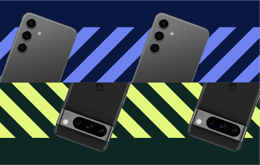
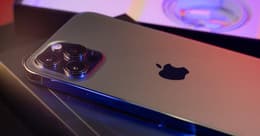
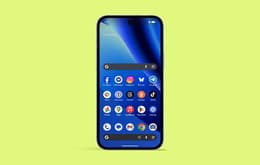
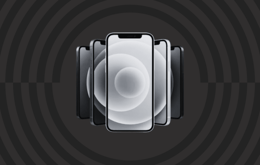
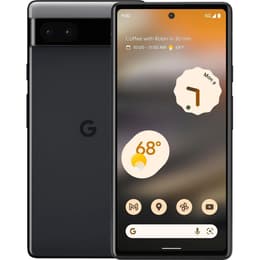
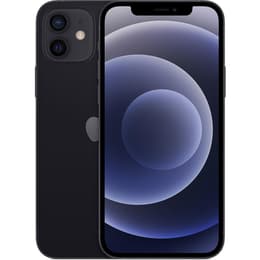
The Google Pixel 6a, released in July 2022, and the iPhone 12, launched in October 2020, are both compact smartphones offering distinct user experiences. While the Pixel 6a operates on Android and emphasizes computational photography, the iPhone 12 runs on iOS and focuses on a cohesive ecosystem. Both devices feature capable cameras and vibrant OLED displays, but they cater to different preferences in terms of software environment and hardware priorities.
Color
Storage
The practical lifespan of a smartphone is influenced by its release timeline and ongoing software support. The iPhone 12, released in October 2020, typically receives iOS updates for approximately 5-6 years from its launch, extending its software longevity. The Google Pixel 6a, launched in July 2022, is guaranteed to receive OS updates for three years and security updates for five years from its release, meaning security updates are expected until at least July 2027. Both devices offer robust build quality, with the iPhone 12 featuring a Ceramic Shield front cover and an IP68 rating for dust and water resistance, allowing submersion up to 6 meters for 30 minutes. The Pixel 6a comes with Corning Gorilla Glass 3 on the front and an IP67 rating, protecting it against dust and submersion up to 1 meter for 30 minutes.
Release Year
Last OS Compatibility
OS
Foldable
Both the Google Pixel 6a and the iPhone 12 deliver smooth performance for daily tasks, though they approach it with different hardware architectures. The Pixel 6a is equipped with Google's Tensor chip, designed to optimize AI and machine learning tasks, contributing to efficient photo processing and voice commands. The iPhone 12 features the A14 Bionic chip, known for its strong general processing power and graphical capabilities.
The visual experience on both the Google Pixel 6a and the iPhone 12 is characterized by their vibrant OLED displays, offering deep blacks and rich colors. Both phones feature a 6.1-inch screen size, providing a similar physical footprint for viewing content.
Resolution
Screen type
Both the Google Pixel 6a and the iPhone 12 offer capable camera systems and provide a satisfactory audio experience for media consumption and communication. Their approaches to image processing, however, reflect their respective ecosystems.
Main camera
Front camera
Beyond core features, several practical elements differentiate the Google Pixel 6a and the iPhone 12, impacting daily usability and accessory compatibility.
Weight
Screen size (inches)
Network
SIM card
Carrier compatibility
User sentiment for the Google Pixel 6a often highlights its strong camera performance, particularly its computational photography capabilities, and its compact form factor. Many users appreciate the clean Android experience and the value it offers. Some common criticisms include the 60Hz display, which some find less fluid than higher refresh rate screens, and occasional reports of the device warming up during heavy use. The charging speed is also noted as being slower compared to some competitors.
The iPhone 12 is frequently praised for its attractive design, vibrant OLED display, and the consistent performance delivered by its processor. Its camera system is well-regarded for both photos and video, especially with its low-light improvements and Dolby Vision HDR recording. Users generally find its battery life to be solid. Points of contention sometimes include the 60Hz refresh rate, the absence of a telephoto lens on the base model, and the initial base storage of 64GB.
Users prioritizing a clean Android experience with exceptional computational photography and a longer window for security updates may find the Google Pixel 6a well-suited to their needs. Those who prefer the iOS ecosystem, a slightly more compact and lighter device, and robust video recording capabilities might lean towards the iPhone 12. Both devices offer a quality-assured refurbished option, providing an eco-friendly alternative for consumers.