Google Pixel 6a • Unlocked vs iPhone 14 Pro Max • Unlocked

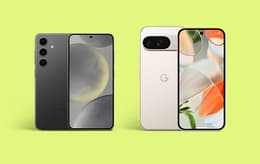
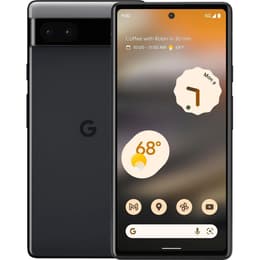
Google Pixel 6a • Unlocked
Starting at

Refurbished price:$141.00

Versus $399.00 new

See options
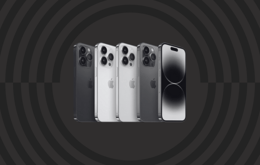
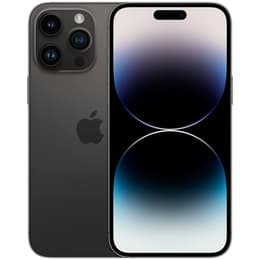
iPhone 14 Pro Max • Unlocked
Starting at

Refurbished price:$423.00

Versus $1,099.00 new

See options

Ratings

The Google Pixel 6a, an Android smartphone, was released in July 2022, while the iPhone 14 Pro Max, an iOS device, followed in September 2022. These two devices cater to different segments of the smartphone market, offering distinct user experiences rooted in their respective operating systems and hardware philosophies. The Pixel 6a emphasizes computational photography and a streamlined Android experience, whereas the iPhone 14 Pro Max focuses on high-end performance, a versatile camera system, and a premium display.

Scores

Durability

When considering the long-term usability of a smartphone, software support and physical resilience are key factors. Both devices offer substantial longevity, though with different approaches to updates and build.

  • Software Support: The Google Pixel 6a is expected to receive Android OS updates until at least July 2025 and security updates until at least July 2027, providing a solid period of software relevance. The iPhone 14 Pro Max, running iOS, typically receives major software updates for approximately five to seven years from its release, extending its functional lifespan well into the future.
  • Physical Durability: The Pixel 6a features a Gorilla Glass 3 front, a plastic back, and an aluminum frame, along with an IP67 rating for dust and water resistance. The iPhone 14 Pro Max boasts a Ceramic Shield front, a textured matte glass back, and a stainless steel frame, offering an IP68 rating for enhanced dust and water protection.
  • Expected Lifespan: Users can anticipate several years of reliable operation from both devices. The iPhone 14 Pro Max's longer software support window and more robust build materials suggest a slightly extended practical lifespan for those prioritizing maximum longevity.

Release Year

2022

2022

Last OS Compatibility

Yes

Yes

OS

Android

iOS

Foldable

No

No

Performance

Performance in daily use is influenced by a combination of processing power, memory, and battery efficiency. Both devices handle common tasks smoothly, but their capabilities diverge under more demanding conditions.

  • Everyday Responsiveness: The Google Pixel 6a is equipped with a capable processor that ensures smooth navigation through apps and efficient handling of most daily tasks. The iPhone 14 Pro Max features a more powerful processor, delivering exceptionally fluid performance for demanding applications, intensive multitasking, and graphic-heavy gaming.
  • Multitasking and Storage: Both phones come with 6GB of RAM, allowing for competent multitasking. The Pixel 6a is available in a single 128GB storage configuration, which is suitable for many users. The iPhone 14 Pro Max offers a wider range of storage options, from 128GB up to 1TB, providing more flexibility for users with extensive media libraries or numerous applications.
  • Battery Behavior: The Pixel 6a has a 4410 mAh battery, with Google suggesting up to 24 hours of typical use. User experiences vary, with some reporting all-day battery life under moderate use, while heavy usage may require a midday charge. The iPhone 14 Pro Max, with a 4323 mAh battery, is frequently praised for its exceptional battery longevity, often lasting a full day or more even with heavy use.

Memory (GB)

6 GB

6 GB

Screen quality

The display is a primary interface for smartphone interaction, and these two devices offer different visual experiences in terms of size, technology, and fluidity.

  • Display Technology and Size: The Google Pixel 6a features a 6.1-inch OLED display, providing deep blacks and vibrant colors suitable for everyday viewing. The iPhone 14 Pro Max comes with a larger 6.7-inch Super Retina XDR OLED display, offering an expansive viewing area.
  • Resolution and Brightness: Both displays offer sharp resolutions, with the Pixel 6a at 1080 x 2400 pixels and the iPhone 14 Pro Max at 1290 x 2796 pixels, resulting in clear text and images. The iPhone 14 Pro Max can achieve significantly higher peak brightness levels, up to 2000 nits, which enhances visibility in bright outdoor conditions.
  • Refresh Rate and Smoothness: The Pixel 6a has a standard 60Hz refresh rate, which provides a consistent visual experience. The iPhone 14 Pro Max features ProMotion technology, offering an adaptive refresh rate that can scale from 1Hz to 120Hz, resulting in noticeably smoother scrolling and more responsive animations.

Resolution

1080 x 2400

1290 x 2796

Screen type

OLED

LTPO Super Retina XDR OLED

Audiovisual

Camera capabilities are a significant consideration for many users, and both devices excel in different aspects of mobile photography and videography.

  • Rear Camera Systems: The Google Pixel 6a features a dual-camera setup with a 12.2 MP wide lens and a 12 MP ultrawide lens. It is highly regarded for its computational photography, which enhances image quality, particularly in challenging conditions. The iPhone 14 Pro Max offers a more versatile triple-camera system, including a 48 MP main sensor, a 12 MP ultrawide, and a 12 MP telephoto lens, providing optical zoom capabilities.
  • Photography Performance: The Pixel 6a delivers strong detail in well-lit conditions and uses its software to produce balanced shots, even from its ultrawide lens. The iPhone 14 Pro Max, with its larger main sensor and Photonic Engine, offers enhanced low-light performance, capturing images with vibrant colors and sharpness.
  • Video and Audio: Both devices are capable of recording high-quality video. The iPhone 14 Pro Max includes features like Cinematic mode and improved video recording quality, making it suitable for users interested in advanced videography. The Pixel 6a's rear cameras can shoot 4K video at up to 60 frames per second. For audio, both provide clear microphone quality for calls and recording, and offer capable speaker output for media consumption.

Main camera

12.2 megapixels

48 megapixels

Front camera

8 megapixels

12 megapixels

Miscellaneous

Beyond core features, several practical elements contribute to the overall user experience, from connectivity to physical design.

  • Connectivity and Ports: Both devices support 5G connectivity for fast mobile data. The Pixel 6a supports Wi-Fi 6E and Bluetooth 5.2, featuring a USB-C port for charging and data transfer. The iPhone 14 Pro Max supports Wi-Fi 6 and Bluetooth 5.3, utilizing Apple's Lightning port. The Pixel 6a notably lacks a 3.5mm headphone jack.
  • Biometrics and Design: The Pixel 6a incorporates an in-display fingerprint sensor for secure unlocking. The iPhone 14 Pro Max uses Face ID for facial recognition. In terms of physical design, the Pixel 6a is more compact and lighter at 178g, with dimensions of 152.2 x 71.8 x 8.9 mm. The iPhone 14 Pro Max is a larger and heavier device, weighing 240g with dimensions of 160.7 x 77.6 x 7.85 mm, which can impact one-handed use.
  • Build Materials: The Pixel 6a uses a combination of Gorilla Glass 3 on the front, a plastic back, and an aluminum frame. The iPhone 14 Pro Max features more premium materials, including a Ceramic Shield front, a textured matte glass back, and a stainless steel frame.

Weight

6 oz

8 oz

Screen size (inches)

6.1

6.7

Network

5G

5G

SIM card

Physical SIM + eSIM

eSIM

Carrier compatibility

Unlocked

Unlocked

User feedback for the Google Pixel 6a often praises its camera capabilities, particularly its computational photography, which delivers impressive results for its segment. Users also appreciate its clean Android experience and compact size. Some common criticisms include its 60Hz display and inconsistent battery performance for heavy users. The iPhone 14 Pro Max consistently receives acclaim for its exceptional display, powerful performance, and outstanding battery life. Its advanced camera system and the innovative Dynamic Island are also frequently highlighted as strong points. Some users note its significant size and weight as a potential drawback.

For users prioritizing a compact device with a strong camera for everyday photos and a pure Android experience, the Google Pixel 6a is a well-suited option. Its focus on software-driven image processing makes it a compelling choice for those who value photography without needing the most advanced hardware. Conversely, users seeking a large, vibrant display, top-tier performance for demanding tasks, a highly versatile camera system with optical zoom, and extended software support will find the iPhone 14 Pro Max aligns better with their needs. Both devices offer robust functionality, and choosing between them often comes down to preference for operating system, physical size, and specific feature priorities. For those considering either device, exploring quality-assured refurbished options can provide an eco-friendly alternative.

See all articles

Our recent comparisons