
Compare models

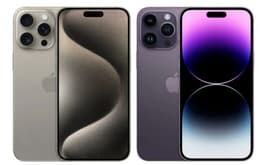
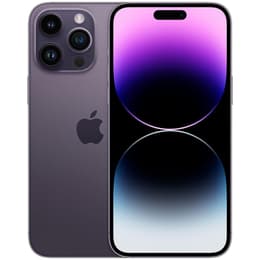
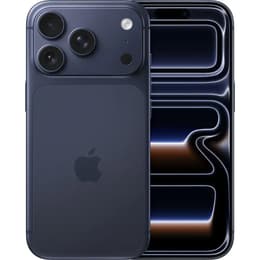
iPhone 14 Pro Max • Unlocked vs iPhone 17 Pro • Unlocked

  • 1-year warranty
  • Free standard shipping
  • Free 30-day returns
iPhone 14 Pro Max • Unlocked
Starting at

Refurbished price:$498.00

Versus $1,099.00 new

See options
iPhone 17 Pro • Unlocked
Starting at

Refurbished price:$1,042.00

Versus $1,099.00 new

See options

Differences at a glance

The iPhone 14 Pro Max (2022) and the iPhone 17 Pro (2025) represent different eras of Apple's flagship smartphone lineup, offering distinct choices in size, hardware generation, and design philosophy. While both run on iOS and share high-end build standards, they cater to different physical preferences and performance expectations. Choosing between them depends on whether you prioritize a larger screen footprint or newer internal hardware capabilities.

Available Models

Color

Storage (GB)

Scores

Durability

When examining hardware longevity and support timelines, both devices benefit from Apple's extended software update framework, though their release dates dictate different horizons for future support.

  • Software Support Timeline: The iPhone 17 Pro benefits from a newer release year, providing an extended window of major operating system updates compared to its predecessor.
  • Repairability and Build Integrity: Both models utilize durable glass and metal structures with high water-resistance ratings, though repair availability remains widespread for both through standard service channels.
  • Expected Lifespan: Users can expect several years of reliable daily operation from either device, with the newer model offering additional future headroom for software demands.

Release Year

2022

2025

Last OS Compatibility

Yes

Yes

OS

iOS

iOS

Foldable

No

No

Performance

Daily operation and multitasking capabilities vary due to the generational gap in internal hardware, influencing how each device handles demanding workloads and power efficiency.

  • Multitasking and Responsiveness: The iPhone 17 Pro features a larger memory capacity and a current-generation processor, resulting in smoother execution when running multiple demanding applications simultaneously.
  • Storage Configurations: Both devices offer ample storage tiers starting from generous baseline capacities, accommodating large media libraries and heavy document storage.
  • Battery Behavior: The iPhone 14 Pro Max utilizes a physically larger chassis to house a battery capable of sustaining long periods of media playback, while the iPhone 17 Pro balances efficient power consumption within a more compact form factor.

Screen quality

Display characteristics differ significantly in physical dimensions, peak brightness capabilities, and form factor, shaping how content is consumed daily.

  • Display Technology: Both models use vibrant OLED panels with high refresh rates for smooth scrolling and responsive touch interactions.
  • Size and Viewing Experience: The iPhone 14 Pro Max provides a larger screen area suited for split-screen tasks and expansive video viewing, whereas the iPhone 17 Pro offers a moderately sized display that is easier to manage with one hand.
  • Outdoor Visibility: Both displays reach high peak brightness levels to ensure clear visibility under direct sunlight conditions.

Resolution

1290 x 2796

2622x1206

Screen type

LTPO Super Retina XDR OLED

Super Retina XDR

Audiovisual

Imaging hardware and media recording tools vary across generations, offering different capabilities for photography and audio capture enthusiasts.

  • Camera Resolution and Lenses: The iPhone 17 Pro updates the multi-lens system with higher-resolution sensors across the board, providing greater detail and extended optical zoom flexibility compared to the triple-lens setup on the iPhone 14 Pro Max.
  • Low-Light Performance: Both devices incorporate large image sensors and computational processing to capture clear details in dim environments.
  • Audio and Video Recording: Built-in microphone arrays and stabilization features on both models deliver clear voice notes and steady video output, with the newer model introducing expanded professional recording options.

Main camera

48 megapixels

48 megapixels

Front camera

12 megapixels

18 megapixels

Miscellaneous

Practical everyday features such as connectivity standards, physical dimensions, and security sensors define how each phone integrates into a user's routine.

  • Physical Dimensions and Weight: The iPhone 14 Pro Max is heavier and larger, making it ideal for users who prefer an expansive device, while the iPhone 17 Pro features a lighter, more compact profile that fits easily into pockets.
  • Connectivity Options: The iPhone 17 Pro incorporates advanced wireless standards for faster local network connections and improved Bluetooth efficiency.
  • Authentication and Ports: Both rely on secure facial recognition for unlocking and use standard proprietary charging ports shared across recent Apple hardware generations.

Weight

8 oz

206 oz

Screen size (inches)

6.7

6.3

Network

5G

5G

SIM card

eSIM

eSIM

Carrier compatibility

Unlocked

Unlocked

Connector

Lightning

USB-C

What the community thinks

User feedback from online communities highlights distinct preferences for each device. Owners of the iPhone 14 Pro Max frequently praise its reliable battery longevity and expansive display estate, though some note its heavier weight during prolonged one-handed use. Conversely, users of the iPhone 17 Pro appreciate its lighter handling, responsive multitasking, and updated camera versatility, though expectations around daily battery endurance vary based on workload intensity.

Users prioritizing a large viewing area and extended battery reach may find the iPhone 14 Pro Max well-suited to their daily routine. Meanwhile, users prioritizing a lighter physical footprint, faster processing overhead, and modern camera flexibility will lean toward the iPhone 17 Pro. For those exploring sustainable purchasing routes, opting for a quality-assured refurbished option provides a practical way to acquire either model while supporting eco-friendly technology consumption.

Our recent comparisons