
Compare models
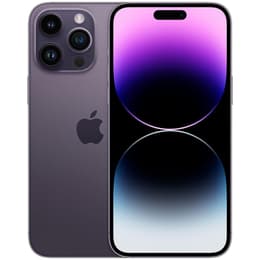
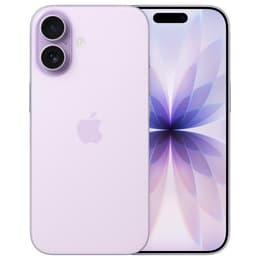
iPhone 14 Pro Max • Unlocked vs iPhone 17 • Unlocked
- 1-year warranty
- Free standard shipping
- Free 30-day returns
Differences at a glance
The iPhone 14 Pro Max (2022) and the iPhone 17 (2025) represent different tiers and release years within Apple's smartphone lineup. While the iPhone 14 Pro Max brings a large-form flagship heritage, the iPhone 17 introduces newer-generation hardware features in a standard format. Choosing between them involves balancing physical size and specialized camera configurations against more recent system capabilities.
Available Models
Color
Storage (GB)
Scores
Durability
Both devices receive extended software update support typical of modern smartphones, though their release timelines influence how long they will remain current. Exploring a quality-assured refurbished option provides a sustainable choice for buyers looking to extend device lifecycles without buying new.
- Software Support: The iPhone 17 benefits from a later release date, offering a slightly longer window of future software updates compared to the older iPhone 14 Pro Max.
- Build Longevity: Both models incorporate durable glass and metal construction alongside water resistance ratings designed to handle daily wear and tear.
- Repairability: Standardized component designs across both units allow technicians to replace worn batteries and screens efficiently over time.
Release Year
2022
2025
Last OS Compatibility
Yes
Yes
OS
iOS
iOS
Foldable
No
No
Performance
System responsiveness and day-to-day multitasking vary slightly based on internal generational hardware differences and available memory capacity. Both models handle demanding applications, web browsing, and background tasks smoothly.
- Multitasking: The iPhone 17 includes increased random access memory capacity, helping background apps stay active longer without reloading.
- Storage Options: The iPhone 14 Pro Max offers configurations starting from lower tiers up to high-capacity limits, while the iPhone 17 focuses on larger baseline storage volumes.
- Battery Behavior: The larger physical footprint of the iPhone 14 Pro Max accommodates a higher-capacity battery for extended daily usage, whereas the iPhone 17 relies on power-efficient hardware to manage battery drain.
Screen quality
Viewing experiences differ significantly due to screen dimensions, peak outdoor brightness thresholds, and refresh rate implementations across both panels.
- Display Size: The iPhone 14 Pro Max provides a sprawling canvas suited for immersive media viewing, while the iPhone 17 offers a more compact footprint that remains comfortable for one-handed operation.
- Brightness and Clarity: Both models feature high-resolution OLED panels with deep contrast levels, though newer generation screens achieve higher peak outdoor brightness thresholds for direct sunlight visibility.
- Refresh Rate: Both devices support adaptive high refresh rates for smooth scrolling through menus and dynamic web content.
Resolution
1290 x 2796
2622x1206
Screen type
LTPO Super Retina XDR OLED
Super Retina XDR
Audiovisual
Photography and video capabilities diverge primarily through lens configurations, zoom flexibility, and front-facing sensor specifications.
- Rear Lens Versatility: The iPhone 14 Pro Max features a dedicated optical telephoto lens for distant subjects, whereas the iPhone 17 utilizes a high-resolution dual-lens system relying on digital cropping for magnification.
- Selfie and Video Quality: The iPhone 17 features an updated front-facing camera setup with advanced framing features for video calls and content creation.
- Audio Output: Built-in stereo speaker arrays on both models deliver clear sound reproduction for media playback and hands-free calls.
Main camera
48 megapixels
48 megapixels
Front camera
12 megapixels
18 megapixels
Miscellaneous
Physical handling characteristics, accessory compatibility, and connectivity standards present distinct daily use considerations.
- Physical Dimensions: The iPhone 14 Pro Max is significantly heavier and larger, whereas the iPhone 17 provides a lighter, more pocket-friendly design.
- Connectors: The iPhone 14 Pro Max utilizes the proprietary Lightning connector, while the iPhone 17 adopts the universal USB-C standard for charging and data transfer.
- Biometrics: Both devices secure user data and authorize payments using facial recognition technology housed within the display cutout.
Weight
8 oz
185 oz
Screen size (inches)
6.7
6.3
Network
5G
5G
SIM card
eSIM
eSIM
Carrier compatibility
Unlocked
Unlocked
Connector
Lightning
USB-C
What the community thinks
Users prioritizing maximum screen space, a dedicated optical zoom lens, and a heavier physical build often favor the iPhone 14 Pro Max. Conversely, users who value a lighter design, modern charging connections, and updated front-facing camera hardware frequently lean toward the iPhone 17.
Reviewing these practical differences helps match each device to specific daily habits. Selecting a quality-assured refurbished option through platforms like Back Market allows consumers to make an eco-friendly choice while supporting sustainable electronics consumption.