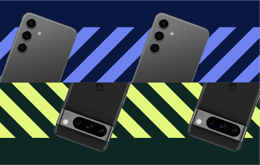
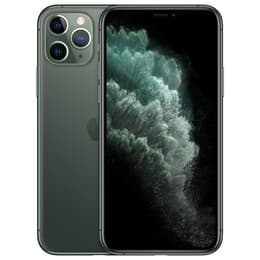

Google Pixel 7 Pro • Unlocked vs iPhone 11 Pro • Unlocked

Google Pixel 7 Pro • Unlocked
Starting at

Refurbished price:$221.00

Versus $899.99 new

See options
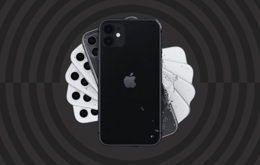
iPhone 11 Pro • Unlocked
Starting at

Refurbished price:$200.00

Versus $749.00 new

See options

Ratings

The Google Pixel 7 Pro, released in October 2022, and the Apple iPhone 11 Pro, launched in September 2019, represent different generations of flagship smartphones from their respective manufacturers. While both offer premium mobile experiences, the Pixel 7 Pro features a more modern Android operating system and advanced camera capabilities, whereas the iPhone 11 Pro runs on Apple's iOS and emphasizes a compact design. These differences cater to distinct user preferences in terms of ecosystem and hardware priorities.

Scores

Durability

When considering the longevity of these devices, their release timelines and software support are key factors. The Pixel 7 Pro, being a newer device, generally benefits from a longer expected period of software updates compared to the iPhone 11 Pro.

  • Release and Age: The Google Pixel 7 Pro was released in October 2022, making it a more recent device. The iPhone 11 Pro, released in September 2019, is an older model.
  • OS Support: The Pixel 7 Pro launched with Android 13 and is expected to receive several more years of major Android updates and security patches. The iPhone 11 Pro, starting with iOS 13, has already received multiple iOS updates, but its update cycle is nearing its end compared to the Pixel 7 Pro.
  • Repairability: The Pixel 7 Pro has been noted to have a moderate repairability score, with some components like the charging port being difficult to replace due to soldering. The iPhone 11 Pro also presents challenges in repair, particularly with adhesive-held components.

Release Year

2022

2019

Last OS Compatibility

Yes

Yes

OS

Android

iOS

Foldable

No

No

Performance

The performance of a smartphone is crucial for daily tasks, and both devices offer capable experiences, though with different underlying hardware and software optimizations.

  • Processing Power: The Google Pixel 7 Pro features a current-generation processor designed for efficient AI and machine learning tasks, contributing to smooth app loading and responsive multitasking. The iPhone 11 Pro is powered by an older generation processor that still handles everyday applications and many demanding tasks effectively, but may show its age with the most intensive modern applications.
  • Multitasking and Responsiveness: With 12GB of RAM, the Pixel 7 Pro offers substantial capacity for keeping many applications open simultaneously without slowdowns. The iPhone 11 Pro, with 4GB of RAM, manages multitasking efficiently within the iOS ecosystem, though it may reload apps more frequently than the Pixel 7 Pro when switching between a large number of demanding applications.
  • Battery Behavior: The Pixel 7 Pro is equipped with a larger 5000 mAh battery, generally providing extended usage times for many users. The iPhone 11 Pro has a 3046 mAh battery, which was designed to offer improved endurance over its predecessors, typically lasting a full day for average use.

Memory (GB)

8 GB

4 GB

Screen quality

The display is a primary interface for smartphone interaction, and both the Pixel 7 Pro and iPhone 11 Pro offer high-quality viewing experiences with distinct characteristics.

  • Display Technology and Size: The Google Pixel 7 Pro features a larger 6.7-inch LTPO AMOLED display, offering adaptive refresh rates for smoother visuals and improved power efficiency. The iPhone 11 Pro has a more compact 5.8-inch Super Retina XDR OLED display. Both OLED technologies deliver deep blacks and vibrant colors.
  • Resolution and Brightness: The Pixel 7 Pro boasts a QHD+ resolution (1440 x 3120 pixels) and a peak brightness of up to 1500 nits, providing sharp images and good visibility in bright conditions. The iPhone 11 Pro offers a resolution of 2436 x 1125 pixels (458 ppi) and a peak HDR brightness of 1200 nits, also ensuring clear visuals and strong performance in varied lighting.
  • Refresh Rate: The Pixel 7 Pro's 120Hz refresh rate contributes to a more fluid scrolling experience and smoother animations. The iPhone 11 Pro features a standard 60Hz refresh rate, which is still responsive for most users but less fluid than higher refresh rate displays.

Resolution

1440 x 3120

1125 x 2436

Screen type

LTPO AMOLED

Super Retina XDR OLED

Audiovisual

Both smartphones are known for their camera capabilities, offering versatile systems for capturing photos and videos, though with different strengths and features.

  • Rear Camera System: The Google Pixel 7 Pro features a triple-camera setup including a 50 MP main sensor, a 12 MP ultrawide lens with autofocus, and a 48 MP telephoto lens capable of 5x optical zoom and up to 30x Super Res Zoom. The iPhone 11 Pro also has a triple-camera system, consisting of a 12 MP main, 12 MP ultrawide, and 12 MP telephoto lens with 2x optical zoom.
  • Photography Features: The Pixel 7 Pro includes advanced computational photography features like Photo Unblur, Magic Eraser, Cinematic Blur, Night Sight, and Macro Focus, enhancing image quality and offering creative options. The iPhone 11 Pro offers Night mode, Deep Fusion for enhanced detail, and improved Smart HDR, providing strong performance in various lighting conditions.
  • Video Recording: The Pixel 7 Pro supports 4K video recording at 60 frames per second across all its cameras, including the front camera, with features like Cinematic Blur and enhanced stabilization. The iPhone 11 Pro also records 4K video at 60 frames per second with cinematic video stabilization and an audio zoom feature.

Main camera

50 megapixels

12 megapixels

Front camera

10.8 megapixels

12 megapixels

Miscellaneous

Beyond core performance and display, several practical elements differentiate these devices, impacting daily usability and connectivity.

  • Connectivity: The Google Pixel 7 Pro supports 5G connectivity, offering faster mobile data speeds in compatible areas, along with Wi-Fi 6E and Bluetooth 5.2. The iPhone 11 Pro supports 4G LTE, Wi-Fi 6, and Bluetooth 5.0, providing reliable but generally slower wireless connections compared to the Pixel 7 Pro.
  • Ports and Biometrics: The Pixel 7 Pro uses a USB-C 3.2 port for charging and data transfer and offers both an under-display fingerprint sensor and Face Unlock for security. The iPhone 11 Pro features Apple's proprietary Lightning port and relies solely on Face ID for biometric authentication.
  • Design and Handling: The Pixel 7 Pro has a larger form factor, measuring 162.9 x 76.6 x 8.9 mm and weighing 212 grams, with a glass front and back protected by Gorilla Glass Victus and an aluminum frame. The iPhone 11 Pro is more compact at 144 x 71.4 x 8.1 mm and 188 grams, featuring a glass and stainless steel construction. Both devices carry an IP68 rating for water and dust resistance.

Weight

7 oz

7 oz

Screen size (inches)

6.7

5.8

Network

5G

LTE

SIM card

Physical SIM + eSIM

Physical SIM + eSIM

Carrier compatibility

Unlocked

Unlocked

Users often praise the Google Pixel 7 Pro for its exceptional camera system, particularly its advanced computational photography features and versatile zoom capabilities, which consistently produce high-quality images. Its vibrant, high-refresh-rate display and long-lasting battery are also frequently highlighted as strong points. Some common criticisms include its larger size, which might not suit all users, and occasional reports regarding software quirks, though these are often addressed with updates.

The iPhone 11 Pro is generally lauded for its robust build quality, the consistent performance of its iOS operating system, and its capable camera system, which introduced significant improvements like Night mode and an ultrawide lens. Its more compact size is often appreciated by users who prefer a device that is easier to handle with one hand. Criticisms sometimes point to its 60Hz display, which feels less fluid compared to newer devices, and its older connectivity standards.

Users prioritizing a cutting-edge camera experience, a large, fluid display, and the latest Android features will find the Google Pixel 7 Pro well-suited to their needs. Its 5G connectivity and advanced processor make it a strong choice for those seeking modern performance. Conversely, users who value a more compact form factor, the established iOS ecosystem, and a proven, reliable camera system may lean toward the iPhone 11 Pro. Both devices offer a quality-assured refurbished option, providing a sustainable choice for consumers looking to extend the life cycle of electronic products.

See all articles

Our recent comparisons