Compare models
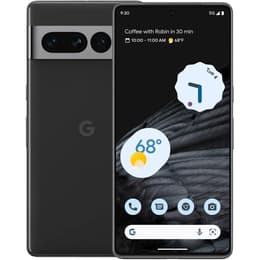
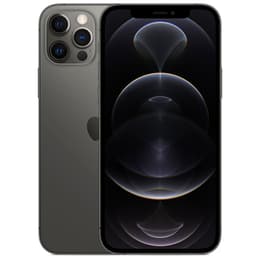
Google Pixel 7 Pro • Unlocked vs iPhone 12 Pro • Unlocked
- 1-year warranty
- Free standard shipping
- Free 30-day returns
Differences at a glance
The Google Pixel 7 Pro, released in October 2022, and the iPhone 12 Pro, launched in October 2020, represent distinct approaches to premium smartphone design and functionality. While both devices offer advanced camera systems and robust performance, they differ significantly in their operating systems, design philosophies, and specific feature sets. The Pixel 7 Pro operates on Android, emphasizing Google's AI-driven features, while the iPhone 12 Pro runs on iOS, known for its integrated ecosystem and user experience.
Available Models
Color
Storage (GB)
Scores
Durability
When considering the long-term usability of these devices, their release timelines and software support are key factors. The Google Pixel 7 Pro, being a newer device, generally benefits from a longer expected period of software updates compared to the iPhone 12 Pro. Google typically provides five years of security updates for its Pixel devices, and the Pixel 7 Pro launched with Android 13. The iPhone 12 Pro, released two years earlier with iOS 14, has received consistent iOS updates, with its current operating system being iOS 26.4. Apple generally supports its devices for approximately 5-6 years from their release date.
- Software Longevity: The Pixel 7 Pro is expected to receive software and security updates for a longer duration due to its more recent release, offering extended access to new features and security enhancements.
- Physical Durability: Both devices feature IP68 ratings for dust and water resistance. The iPhone 12 Pro incorporates Ceramic Shield on its front display, which enhances drop protection, and a stainless steel frame that contributes to its overall rigidity. The Pixel 7 Pro uses Corning Gorilla Glass Victus for screen protection, but some durability tests have noted that its camera bar is prone to scratches, and the device showed some flex in bend tests, potentially compromising water resistance.
- Repairability: While specific repairability scores can vary, both devices are designed with modern smartphone construction, which often involves specialized tools and expertise for repairs. Users seeking to extend the life of their device might consider quality-assured refurbished options as a sustainable choice.
Release Year
2022
2020
Last OS Compatibility
Yes
Yes
OS
Android
iOS
Foldable
No
No
Performance
The performance of a smartphone is crucial for daily operations, from launching applications to managing multiple tasks. The Google Pixel 7 Pro is powered by Google's Tensor G2 processor, designed to optimize AI and machine learning tasks, contributing to a smooth Android experience. The iPhone 12 Pro features Apple's A14 Bionic processor, known for its robust performance within the iOS ecosystem.
- Everyday Responsiveness: Both devices offer fluid navigation and quick app loading for typical daily use. The iPhone 12 Pro's processor provides consistent performance across various applications and multitasking scenarios. The Pixel 7 Pro handles demanding applications and multitasking effectively, though some users have noted it can generate heat during intensive tasks like gaming.
- Gaming and Demanding Apps: For graphically intensive games and demanding applications, the iPhone 12 Pro's processor delivers strong and consistent performance. The Pixel 7 Pro is capable of running most games, but some users have observed graphical limitations and increased heat during extended gaming sessions.
- Battery Behavior: The Pixel 7 Pro is equipped with a larger 5000 mAh battery, while the iPhone 12 Pro has a 2815 mAh battery. User experiences with battery life vary for both. The Pixel 7 Pro can last a full day for many users, but heavy camera use or consistent 5G connectivity can lead to faster depletion. The iPhone 12 Pro generally offers average battery life, often requiring a charge by the end of a heavy day, with 5G usage notably impacting its duration.
Screen quality
The display is a primary interface for smartphone interaction, and both the Pixel 7 Pro and iPhone 12 Pro offer high-quality viewing experiences, though with different specifications.
- Display Technology and Resolution: The Google Pixel 7 Pro features a 6.7-inch LTPO AMOLED display with a QHD+ resolution of 1440x3120 pixels, resulting in a high pixel density. The iPhone 12 Pro has a 6.1-inch Super Retina XDR OLED display with a resolution of 1170x2532 pixels. Both OLED technologies provide deep blacks and vibrant colors.
- Refresh Rate and Smoothness: The Pixel 7 Pro offers a 120Hz refresh rate, contributing to smoother scrolling and more fluid animations, which can enhance the user experience, especially during fast-paced content or gaming. The iPhone 12 Pro features a standard 60Hz refresh rate.
- Brightness and Outdoor Visibility: The Pixel 7 Pro can reach a peak brightness of 1500 nits, providing good visibility in bright outdoor conditions. The iPhone 12 Pro offers a peak brightness of 1200 nits for HDR content, ensuring clear viewing of high dynamic range media. Some Pixel 7 Pro users have reported color shifts when viewing the display from extreme angles.
Resolution
1440 x 3120
1170 x 2532
Screen type
LTPO AMOLED
Super Retina XDR OLED
Audiovisual
Both the Google Pixel 7 Pro and the iPhone 12 Pro are recognized for their advanced camera capabilities, each excelling in different aspects of mobile photography and videography.
- Rear Camera Systems: The Pixel 7 Pro boasts a versatile triple-camera setup, including a 50MP main sensor, a 12MP ultrawide lens, and a 48MP telephoto lens capable of 5x optical zoom and up to 30x Super Res Zoom. The iPhone 12 Pro also features a triple 12MP camera system, comprising wide, ultrawide, and telephoto lenses, with the telephoto offering 2x optical zoom.
- Photography Performance: The Pixel 7 Pro is highly praised for its still photography, particularly its ability to capture detailed images with excellent dynamic range and vivid colors, performing well in low-light conditions. Its computational photography features, like Real Tone, enhance image quality. The iPhone 12 Pro delivers strong overall photo quality with good exposure and natural white balance, and its Night Mode significantly improves low-light shots across its wide and ultrawide lenses.
- Video Recording and Features: The Pixel 7 Pro offers improved video performance compared to its predecessors, with steady footage and various new tricks like portrait blurring for videos. However, some users still find its video quality, particularly in low light or with exposure shifts, to be less refined than competitors. The iPhone 12 Pro supports Dolby Vision HDR video recording, a feature that enhances video quality with a wider range of colors and contrast.
Main camera
50 megapixels
12 megapixels
Front camera
10.8 megapixels
12 megapixels
Miscellaneous
Beyond core specifications, several practical elements contribute to the overall user experience of these smartphones.
- Connectivity and Ports: Both devices support 5G connectivity, enabling faster mobile data speeds. The iPhone 12 Pro utilizes Apple's proprietary Lightning port for charging and data transfer. The Pixel 7 Pro features a USB-C port, offering broad compatibility with many modern accessories.
- Biometric Security: The iPhone 12 Pro relies on Face ID for secure facial recognition. The Pixel 7 Pro offers an in-display fingerprint sensor and a less secure face unlock option.
- Design and Handling: The iPhone 12 Pro has a stainless steel frame and flat edges, contributing to a solid, premium feel, though some users find this design can make it feel chunky. It weighs 189 grams. The Pixel 7 Pro, weighing 212 grams, features an aluminum frame and a distinctive camera bar. Some users have described its build as less rigid than some rivals, with the glass-to-metal transition feeling less smooth.
Weight
7 oz
7 oz
Screen size (inches)
6.7
6.1
Network
5G
5G
SIM card
Physical SIM + eSIM
Physical SIM + eSIM
Carrier compatibility
Unlocked
Unlocked
What the community thinks
The Google Pixel 7 Pro and iPhone 12 Pro cater to users with differing priorities and preferences. The Pixel 7 Pro is often praised for its exceptional still photography, particularly its advanced computational photography features and impressive zoom capabilities, making it a strong contender for users who prioritize capturing high-quality photos. Its 120Hz display also offers a smoother visual experience. However, some users have noted concerns regarding its video performance, battery life under heavy use, and certain aspects of its build quality.
The iPhone 12 Pro, while older, maintains a reputation for consistent performance, a robust build with Ceramic Shield for drop protection, and a highly integrated iOS ecosystem. Its camera system delivers reliable results, especially in low light, and its video recording with Dolby Vision HDR is a notable feature. Criticisms often revolve around its average battery life, especially with 5G enabled, and the 60Hz refresh rate of its display.
Users prioritizing cutting-edge camera technology, a high refresh rate display, and Google's AI-driven software experience may find the Pixel 7 Pro well-suited to their needs. Conversely, individuals who value a highly polished and consistent user experience, strong long-term software support, and a durable design might lean toward the iPhone 12 Pro. Both devices are available as quality-assured refurbished options, providing an eco-friendly alternative for consumers.