
Google Pixel 7 • Unlocked vs iPhone 15 Pro Max • Unlocked

Google Pixel 7 • Unlocked
Starting at

Refurbished price:$189.00

Versus $599.99 new

See options
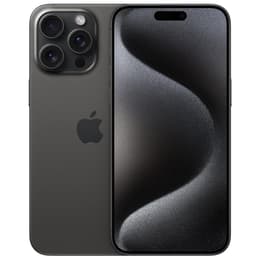
iPhone 15 Pro Max • Unlocked
Starting at

Refurbished price:$563.55

Versus $1,199.00 new

See options

Ratings

The Google Pixel 7, released in October 2022, and the iPhone 15 Pro Max, launched in September 2023, represent distinct approaches to the modern smartphone experience. While both devices offer advanced features, they cater to different user preferences through their respective operating systems and hardware philosophies. The Pixel 7 operates on Android, emphasizing artificial intelligence and computational photography, whereas the iPhone 15 Pro Max runs on iOS, focusing on a powerful ecosystem and robust performance. These differences extend to their core specifications and overall user interaction.

Scores

Durability

When considering the long-term usability of these devices, several factors come into play, including software support, physical durability, and ease of repair.

  • Software Longevity: The Google Pixel 7 launched with Android 13 and is expected to receive three years of OS updates and five years of security updates. The iPhone 15 Pro Max, on the other hand, guarantees a minimum of five years of software updates from its release date, with Apple typically providing iOS updates for five to six years and security updates for an even longer period.
  • Physical Durability: Both devices feature robust build materials. The Pixel 7 utilizes Gorilla Glass Victus for its display and back, offering protection against scratches and drops. The iPhone 15 Pro Max features a titanium frame, which is noted for its strength and lighter weight compared to previous Pro models, along with Ceramic Shield on the front and durable back glass.
  • Repairability: The iPhone 15 Pro Max initially received a repairability score of 4 out of 10 from iFixit, though this was later updated to 7 out of 10, indicating improvements in its design for easier repairs, particularly for parts like the back glass. Information regarding a specific repairability score for the Pixel 7 is not as readily available in the provided snippets, but Google has generally made efforts towards repairability in its Pixel line.

Release Year

2022

2023

Last OS Compatibility

Yes

Yes

OS

Android

iOS

Foldable

No

No

Performance

The performance of a smartphone is largely determined by its internal processing capabilities, which influence everything from app responsiveness to gaming and multitasking efficiency.

  • Processing Power: The iPhone 15 Pro Max is equipped with a current-generation processor designed for demanding tasks, offering significant improvements in CPU and GPU speeds. This allows for console-quality gaming and smooth handling of intensive applications. The Pixel 7 features a processor optimized for AI and machine learning tasks, enhancing features like camera quality, call quality, and speech recognition, providing a satisfying user experience for everyday tasks.
  • Multitasking and Responsiveness: Both devices offer smooth overall system responsiveness. The iPhone 15 Pro Max's powerful processor ensures that heavy apps and multitasking run efficiently, with ample performance headroom for future software. The Pixel 7 also delivers a fluid experience for daily use, with its processor contributing to a polished user experience.
  • Storage Options: The Pixel 7 is available with 128GB or 256GB of internal storage, paired with 8GB of RAM. The iPhone 15 Pro Max offers more expansive storage options, starting at 256GB and going up to 1TB, with 8GB of RAM.
  • Battery Behavior: The iPhone 15 Pro Max is noted for its extended battery life, with users reporting it can last through a full day of heavy use and achieving over 14 hours in web surfing tests. The Pixel 7, with its 4355 mAh battery, is stated to last beyond 24 hours with normal usage, though some users report needing to recharge once or twice daily with heavy use.

Memory (GB)

8 GB

8 GB

Screen quality

The display is a primary interface for smartphone interaction, and both devices offer high-quality viewing experiences with distinct characteristics.

  • Display Technology and Clarity: The Google Pixel 7 features a 6.3-inch FHD+ OLED display with a resolution of 2400 x 1080 pixels, resulting in a pixel density of 416 ppi. This AMOLED panel is known for vibrant colors and deep blacks. The iPhone 15 Pro Max boasts a larger 6.7-inch Super Retina XDR OLED display with a higher resolution of 2796 x 1290 pixels and a pixel density of 460 ppi.
  • Brightness and Refresh Rate: The Pixel 7 offers a 90Hz refresh rate for smooth scrolling and can reach a peak brightness of 1400 nits, with 1000 nits typical brightness for outdoor visibility. The iPhone 15 Pro Max features ProMotion technology, providing an adaptive refresh rate up to 120Hz for exceptionally fluid visuals. It also achieves a higher peak brightness of 2000 nits outdoors and 1000 nits typical, with 1600 nits for HDR content.
  • Viewing Experience: Both displays support HDR content, offering enhanced contrast and color range. The iPhone 15 Pro Max's larger screen and higher resolution, combined with its 120Hz refresh rate, contribute to a more immersive and detailed viewing experience, particularly for multimedia and gaming. The Pixel 7's display, while smaller and with a lower refresh rate, still provides a clear and responsive experience for everyday use.

Resolution

1080 x 2400

1290 x 2796

Screen type

AMOLED

LTPO Super Retina XDR OLED

Audiovisual

Both smartphones are recognized for their advanced camera systems, offering users versatile tools for photography and videography.

  • Rear Camera System: The Google Pixel 7 features a dual-camera setup, including a 50MP main wide camera and a 12MP ultrawide camera. The iPhone 15 Pro Max comes with a more comprehensive triple-camera system: a 48MP main camera, a 12MP ultrawide camera, and a 12MP telephoto camera with 5x optical zoom.
  • Photography Performance: The Pixel 7 is praised for its computational photography, which enhances image quality, especially in everyday scenarios. The iPhone 15 Pro Max's main camera captures highly detailed and sharp images, with improvements in low-light performance and the ability to shoot 24MP photos as standard. The 5x optical zoom on the iPhone 15 Pro Max provides significant reach for distant subjects.
  • Video Recording Quality: Both devices offer high-quality video recording. The iPhone 15 Pro Max is particularly noted for its exceptional video quality, with strong stabilization, accurate autofocus, and good color reproduction, making it suitable for content creation. It also supports ProRes video recording.
  • Front Camera: The Pixel 7 has a 10.8MP ultrawide front camera. The iPhone 15 Pro Max features a 12MP front camera with autofocus, improving clarity for selfies and video calls.

Main camera

50 megapixels

48 megapixels

Front camera

10.8 megapixels

12 megapixels

Miscellaneous

Beyond core performance and display, several practical features contribute to the overall user experience and device utility.

  • Connectivity: Both the Pixel 7 and iPhone 15 Pro Max support 5G connectivity for fast mobile data. The iPhone 15 Pro Max supports Wi-Fi 6E and Bluetooth 5.3, along with Thread networking technology and a second-generation Ultra Wideband chip for enhanced spatial awareness and device finding. The Pixel 7 supports Wi-Fi and Bluetooth, with specific versions typically aligning with its release period.
  • Ports and Biometrics: The Pixel 7 features a USB-C port and an under-display fingerprint sensor for biometric authentication. The iPhone 15 Pro Max has transitioned to a USB-C port, offering faster data transfer speeds (USB 3) compared to the standard iPhone 15 models, and retains Face ID for secure facial recognition. It also includes a customizable Action Button.
  • Design and Handling: The Pixel 7 has an aluminum camera bar and a design that feels considered and premium, with a 6.3-inch display making it comfortable to hold. The iPhone 15 Pro Max features a titanium frame, contributing to a lighter and durable design, with a 6.7-inch display.
  • Weight and Dimensions: The Pixel 7 weighs 197 grams and has dimensions of 155.6 x 73.2 x 8.7 mm. The iPhone 15 Pro Max weighs 221 grams.

Weight

6 oz

221 oz

Screen size (inches)

6.3

6.7

Network

5G

5G

SIM card

Physical SIM + eSIM

eSIM

Carrier compatibility

Unlocked

Unlocked

User feedback for the Google Pixel 7 often highlights its exceptional camera capabilities, particularly its computational photography features, and a clean Android software experience. Users appreciate its focus on AI-driven enhancements for everyday tasks. However, some common criticisms include concerns about battery life, with some heavy users finding it necessary to recharge more frequently than desired.

The iPhone 15 Pro Max receives praise for its powerful performance, especially for gaming and demanding applications, and its advanced camera system, particularly the 5x optical zoom and high-quality video recording. Its extended battery life is also a frequently lauded aspect. Initial concerns about overheating were noted, though addressed with software updates, and some users have observed battery degradation over time.

Users prioritizing a pure Android experience with a strong emphasis on smart features and computational photography may find the Google Pixel 7 well-suited to their needs. Its more compact size also appeals to those preferring a smaller device. Conversely, users who prioritize raw performance, a more versatile camera system with extended optical zoom, and a larger, more immersive display for media consumption and gaming will likely lean toward the iPhone 15 Pro Max. Its robust iOS ecosystem and longer software support also make it an attractive option for those seeking extended device longevity.

For those considering either device, exploring quality-assured refurbished options can provide an eco-friendly alternative, offering access to these advanced technologies while supporting sustainable consumption.


See all articles

Our recent comparisons