Galaxy S21 FE 5G • Locked AT&T vs iPhone 14 • Locked Verizon

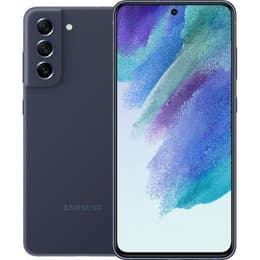
Galaxy S21 FE 5G • Locked AT&T
Starting at

Refurbished price:$135.00

Versus $699.99 new

See options
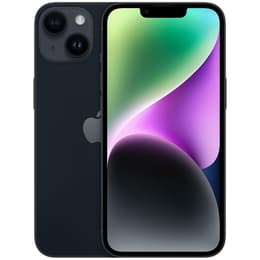
iPhone 14 • Locked Verizon
Starting at

Refurbished price:$299.00

Versus $599.00 new

See options

Ratings

The Samsung Galaxy S21 FE 5G, released in January 2022, and the iPhone 14, launched in September 2022, represent distinct approaches to the modern smartphone experience. While both devices offer robust performance and advanced camera systems, they differ significantly in their operating systems, display technologies, and overall design philosophies. This comparison aims to highlight these practical differences to assist users in making an informed decision.

Scores

Durability

The longevity of a smartphone is influenced by its build quality, software support, and repairability.

  • Software Support: The Galaxy S21 FE 5G launched with Android 12 and is expected to receive four major Android OS updates, potentially up to Android 16, along with five years of security updates. The iPhone 14, which debuted with iOS 16, typically receives iOS updates for five to seven years from its release, suggesting support could extend until around 2028. This means the iPhone 14 generally offers a longer period of major software updates.
  • Physical Durability: Both devices feature an IP68 rating for dust and water resistance, indicating they can withstand submersion in water. The Galaxy S21 FE 5G utilizes Gorilla Glass Victus on the front, a plastic back, and an aluminum frame. The iPhone 14 incorporates a Ceramic Shield front cover, a glass back, and an aluminum frame, with the Ceramic Shield designed for enhanced drop performance.
  • Repairability: While both phones are designed with modern construction, the iPhone 14 has been noted for a more repairable internal structure compared to its Pro counterparts, potentially simplifying certain repairs.

Release Year

2022

2022

Last OS Compatibility

Yes

Yes

OS

Android

iOS

Foldable

No

No

Performance

Performance in daily use is a key factor, encompassing how smoothly applications run, how efficiently the battery operates, and the overall responsiveness of the device.

  • Processing Power: The Galaxy S21 FE 5G is equipped with a processor that handles demanding applications and multitasking effectively, providing a responsive user experience. The iPhone 14 features a powerful current-generation processor, ensuring smooth operation for intensive tasks like gaming and video editing, alongside fluid multitasking.
  • Battery Performance: The Galaxy S21 FE 5G houses a 4500 mAh battery, which typically provides a full day of use for moderate users, though heavy usage may necessitate charging before the day ends. The iPhone 14, with its 3279 mAh battery, is also designed to offer all-day battery life for most users. Some users of the iPhone 14 have observed a faster degradation in battery health over time.
  • Storage and Responsiveness: The Galaxy S21 FE 5G offers storage options of 128GB or 256GB, paired with 6GB or 8GB of RAM, contributing to efficient app management. The iPhone 14 comes with 128GB, 256GB, or 512GB storage options and 6GB of RAM, facilitating seamless transitions between applications.

Memory (GB)

6 GB

6 GB

Screen quality

The display is the primary interface for interaction, and differences in screen technology can significantly impact the viewing experience.

  • Display Technology and Clarity: The Galaxy S21 FE 5G features a 6.4-inch Dynamic AMOLED 2X display, offering vibrant colors and deep blacks with a resolution of 1080 x 2400 pixels. The iPhone 14 comes with a 6.1-inch Super Retina XDR OLED display, known for its excellent contrast and color accuracy, with a resolution of 1170 x 2532 pixels.
  • Refresh Rate and Smoothness: The Galaxy S21 FE 5G boasts a 120Hz refresh rate, which provides noticeably smoother scrolling and more fluid animations, enhancing the overall interactive experience. In contrast, the iPhone 14 features a standard 60Hz refresh rate.
  • Brightness for Outdoor Use: Both devices offer a peak brightness of up to 1200 nits, ensuring good visibility of the screen content even in bright outdoor conditions.

Resolution

1080 x 2340

1170 x 2532

Screen type

Dynamic AMOLED 2X

Super Retina XDR OLED

Audiovisual

Camera capabilities are a significant consideration for many users, with both devices offering advanced systems for capturing photos and videos.

  • Rear Camera System: The Galaxy S21 FE 5G is equipped with a versatile triple-camera setup on the rear, including a 12MP main sensor with optical image stabilization (OIS), a 12MP ultrawide lens, and an 8MP telephoto lens with 3x optical zoom and OIS. The iPhone 14 features a dual-camera system with a 12MP main sensor that includes sensor-shift OIS and a 12MP ultrawide lens.
  • Photography Performance: The Galaxy S21 FE 5G's camera system is noted for its good overall results, with users particularly praising the front camera and the clarity of zoomed images up to 10x. The iPhone 14's camera is recognized for its consistent image quality across various scenarios and strong low-light performance, though it does not include a dedicated telephoto or macro lens.
  • Video Recording and Audio: Both smartphones are capable of recording video in 4K resolution. The iPhone 14 is particularly noted for its effective video stabilization, which helps produce smooth footage even with movement. Both devices offer stereo speakers for media consumption.

Main camera

12 megapixels

12 megapixels

Front camera

32 megapixels

12 megapixels

Miscellaneous

Beyond core features, several practical elements contribute to the overall user experience and device utility.

  • Connectivity and Ports: Both the Galaxy S21 FE 5G and the iPhone 14 support 5G connectivity and Wi-Fi 6 for fast wireless internet. The Galaxy S21 FE 5G uses a USB-C port for charging and data transfer, while the iPhone 14 utilizes Apple's proprietary Lightning port. The Galaxy S21 FE 5G supports Bluetooth 5.0, whereas the iPhone 14 features the newer Bluetooth 5.3.
  • Biometric Security and Sensors: The Galaxy S21 FE 5G incorporates an under-display optical fingerprint sensor for secure unlocking. The iPhone 14 relies on Face ID for facial recognition. The iPhone 14 also includes advanced safety features like Emergency SOS via Satellite and Crash Detection.
  • Physical Characteristics: The Galaxy S21 FE 5G measures 155.7 x 74.5 x 7.9 mm and weighs 177g. The iPhone 14 is slightly more compact and lighter at 146.7 x 71.5 x 7.8 mm and 172g. The Galaxy S21 FE 5G does not include a 3.5mm headphone jack.

Weight

7 oz

6 oz

Screen size (inches)

6.4

6.1

Network

5G

5G

SIM card

Physical SIM

eSIM

Carrier compatibility

AT&T

Verizon

User feedback for the Galaxy S21 FE 5G often highlights its vibrant display, capable camera system, and solid performance for everyday tasks. Some users have noted that its battery life, while generally sufficient, might not always extend beyond a full day with heavy use. Initial reports of heating issues with its processor were also mentioned, though these often resolved with software updates.

The iPhone 14 is frequently praised for its consistent camera quality, robust video stabilization, and the smooth, reliable performance delivered by its operating system. Common observations include its dependable battery life for a full day, though some users have expressed concerns about the rate of battery health degradation over time. The absence of a telephoto lens is also a point of consideration for some.

Users prioritizing a higher display refresh rate for smoother visual interactions and a dedicated telephoto camera for versatile photography might find the Galaxy S21 FE 5G well-suited to their needs. Conversely, individuals who value a longer period of software updates, advanced safety features, and a slightly more compact form factor may lean toward the iPhone 14. Both devices offer a quality-assured refurbished option, providing an eco-friendly alternative for consumers.


See all articles

Our recent comparisons