
Google Pixel 8 Pro • Unlocked vs iPhone 12 Pro Max • Unlocked

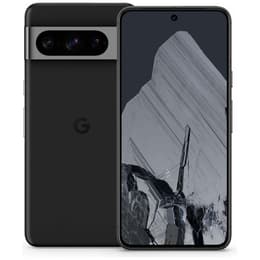
Google Pixel 8 Pro • Unlocked
Starting at

Refurbished price:$281.00

Versus $899.99 new

See options
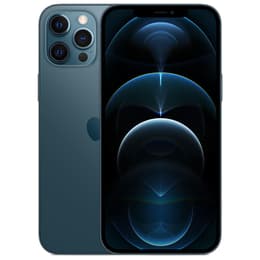
iPhone 12 Pro Max • Unlocked
Starting at

Refurbished price:$332.00

Versus $899.00 new

See options

Ratings

The Google Pixel 8 Pro, released in October 2023, and the iPhone 12 Pro Max, launched in November 2020, represent different generations and operating systems within the premium smartphone market. While both offer large displays and advanced camera systems, the Pixel 8 Pro introduces a newer processor, an extended software support commitment, and enhanced computational photography features, setting it apart from its Apple counterpart.

Scores

Durability

When considering the longevity of these devices, their respective release timelines and software support policies are key differentiators.

  • Software Support: The Google Pixel 8 Pro offers an extensive seven years of operating system updates, security updates, and Feature Drops, extending support until 2030. This commitment surpasses that of many other smartphones, including the iPhone 12 Pro Max, which typically receives major iOS updates for around five to six years from its release date. Users of the iPhone 12 Pro Max can expect security updates until at least 2027, with major iOS updates likely concluding around 2025 or 2026.
  • Build Durability: Both devices feature robust builds designed for durability. The Pixel 8 Pro incorporates Gorilla Glass Victus 2 on its front and back, paired with an aluminum frame. The iPhone 12 Pro Max utilizes Apple's Ceramic Shield front cover and a textured matte glass back, encased in a stainless steel frame. Both models carry an IP68 rating for water and dust resistance, indicating similar levels of protection against environmental elements.
  • Expected Lifespan: The Pixel 8 Pro's longer software support directly translates to a longer practical lifespan, ensuring access to the latest features and security protocols for an extended period. While the iPhone 12 Pro Max remains a capable device, its software support window is nearing its end, which may impact its long-term usability for those who prioritize the newest software features.

Release Year

2023

2020

Last OS Compatibility

Yes

Yes

OS

Android

iOS

Foldable

No

No

Performance

The performance of these smartphones is largely influenced by their internal components and how they handle various tasks, from everyday use to demanding applications.

  • Processing Power: The Google Pixel 8 Pro is equipped with a more recent generation processor, optimized for artificial intelligence and efficiency. This allows it to handle demanding applications, complex AI features, and multitasking with fluidity. The iPhone 12 Pro Max, while still offering capable performance for daily tasks, features an older generation processor.
  • Multitasking and Responsiveness: The Pixel 8 Pro comes with 12GB of RAM, contributing to smooth multitasking and quick app loading times. The iPhone 12 Pro Max has 6GB of RAM, which is sufficient for most current applications but may show limitations when running numerous intensive apps simultaneously or with future software updates.
  • Battery Behavior: The Pixel 8 Pro houses a larger 5050 mAh battery, designed to support a full day of typical use, even with its advanced features and brighter display. The iPhone 12 Pro Max has a 3687 mAh battery. While users have reported good battery life for its time, heavy usage may require more frequent charging compared to newer devices.

Memory (GB)

12 GB

6 GB

Screen quality

The visual experience on both devices is delivered through large OLED displays, though with notable differences in their underlying technology and capabilities.

  • Display Technology and Clarity: The Google Pixel 8 Pro features a 6.7-inch Super Actua OLED display with a resolution of 1344 x 2992 pixels, offering sharp and vibrant visuals. The iPhone 12 Pro Max also has a 6.7-inch Super Retina XDR OLED display with a resolution of 1284 x 2778 pixels. Both provide deep blacks and excellent contrast characteristic of OLED technology.
  • Brightness and Refresh Rate: The Pixel 8 Pro's display can reach a peak brightness of up to 2400 nits, making it highly visible even in bright outdoor conditions. It also boasts an adaptive refresh rate ranging from 1Hz to 120Hz, which contributes to smoother scrolling and animations while conserving battery life. The iPhone 12 Pro Max has a peak brightness of 1200 nits for HDR content and a standard 60Hz refresh rate, which provides a consistent viewing experience but lacks the fluidity of higher refresh rate displays.
  • Viewing Experience: Users prioritizing a smoother, more responsive interface and superior outdoor visibility will find the Pixel 8 Pro's display advantageous. The iPhone 12 Pro Max still offers a high-quality viewing experience, particularly for media consumption, but without the adaptive refresh rate and extreme brightness levels of its newer counterpart.

Resolution

1344 x 2992

1284 x 2778

Screen type

LTPO OLED

Super Retina XDR OLED

Audiovisual

Both smartphones offer advanced camera systems, but the Pixel 8 Pro benefits from newer hardware and Google's emphasis on computational photography.

  • Camera System Configuration: The Google Pixel 8 Pro features a versatile triple-camera setup, including a 50 MP main wide lens, a 48 MP ultrawide lens with autofocus, and a 48 MP telephoto lens with 5x optical zoom. The iPhone 12 Pro Max also has a triple 12 MP camera system, comprising wide, ultrawide, and telephoto lenses with 2.5x optical zoom.
  • Photography Performance: The Pixel 8 Pro excels in computational photography, offering features like Magic Editor and Best Take, alongside improved low-light performance due to its newer sensors and processing. The iPhone 12 Pro Max, while still capable of producing excellent images, particularly with features like Night mode and Deep Fusion, represents an older generation of camera technology. Users have noted the Pixel's strength in still photography, especially with its AI-driven enhancements.
  • Video Recording and Features: The Pixel 8 Pro offers advanced video capabilities, including features like Video Boost, which enhances video quality by processing it in the cloud. The iPhone 12 Pro Max supports HDR video recording with Dolby Vision. While the Pixel 8 Pro has made significant strides in video, some users still consider newer iPhones to have a slight edge in overall video quality and stabilization.

Main camera

50 megapixels

12 megapixels

Front camera

10.5 megapixels

12 megapixels

Miscellaneous

Beyond core features, several practical elements contribute to the overall user experience and differentiate these two devices.

  • Connectivity and Ports: The Google Pixel 8 Pro supports newer connectivity standards, including Wi-Fi 7 and Bluetooth 5.3, offering potentially faster and more stable wireless connections. It features a USB-C 3.2 port for charging and data transfer. The iPhone 12 Pro Max supports Wi-Fi 6 and Bluetooth 5.0 and uses Apple's proprietary Lightning port. Both devices support 5G cellular connectivity.
  • Biometric Security and Sensors: The Pixel 8 Pro includes an under-display optical fingerprint sensor and facial recognition for unlocking. It also uniquely features a temperature sensor. The iPhone 12 Pro Max relies solely on Face ID for biometric authentication.
  • Physical Characteristics: The Pixel 8 Pro measures 162.6 x 76.5 x 8.8 mm and weighs 213 grams. The iPhone 12 Pro Max is slightly shorter and thinner at 160.8 x 78.1 x 7.4 mm but heavier at 228 grams. The Pixel 8 Pro's design features a flat display and a matte glass back, which some users find comfortable to hold. The iPhone 12 Pro Max has flat edges and a stainless steel frame, contributing to its premium feel.

Weight

7 oz

7 oz

Screen size (inches)

6.7

6.7

Network

5G

5G

SIM card

Physical SIM + eSIM

Physical SIM + eSIM

Carrier compatibility

Unlocked

Unlocked

Connector

USB-C

Lightning

The Google Pixel 8 Pro and iPhone 12 Pro Max cater to users with distinct priorities, reflecting their different release dates and operating system philosophies. The Pixel 8 Pro is frequently praised for its cutting-edge camera capabilities, particularly its advanced computational photography and AI-driven features, which allow for unique photo and video editing. Its industry-leading seven years of software support is a significant advantage for users seeking long-term device relevance and security. The bright, adaptive 120Hz display also receives positive feedback for its smoothness and outdoor visibility. Some users, however, note that its processor, while efficient for AI tasks, may not always match the raw performance benchmarks of some competitors, and battery life, while improved, might still trail some rivals under heavy use.

The iPhone 12 Pro Max, despite being an older model, is still recognized for its robust build quality and integration within the established Apple ecosystem. Users appreciate its consistent performance for everyday tasks and its capable camera system, which was highly regarded at its release. Common criticisms, however, revolve around its 60Hz display, which feels less fluid compared to newer high-refresh-rate screens, and its battery life, which, while good for its generation, may show signs of degradation with age and newer software demands. Its software support window is also nearing its conclusion, which is a consideration for future-proofing.

Users prioritizing the latest camera innovations, extended software longevity, and a high-refresh-rate display will find the Google Pixel 8 Pro well-suited to their needs. Conversely, individuals deeply invested in the Apple ecosystem who value a familiar interface, strong build quality, and consistent performance for general use may still lean towards the iPhone 12 Pro Max, especially as a quality-assured refurbished option. Both devices offer compelling experiences, with the choice often coming down to a preference for operating system, camera priorities, and desired software support duration. Opting for a refurbished model of either device presents an eco-friendly alternative for consumers.

See all articles

Our recent comparisons