
Compare models
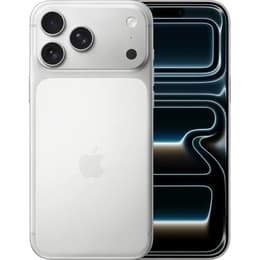
Google Pixel 8 Pro • Unlocked vs iPhone 17 Pro Max • Unlocked
- 1-year warranty
- Free standard shipping
- Free 30-day returns
Differences at a glance
The Google Pixel 8 Pro (2023) and the iPhone 17 Pro Max (2025) represent advanced tiers of their respective smartphone families, delivering large-screen designs and high-capacity batteries. While the Google Pixel 8 Pro operates on Android with deep artificial intelligence integration, the iPhone 17 Pro Max runs iOS and features cutting-edge processing hardware. These two flagship devices approach mobile computing with distinct operating systems and software ecosystems while catering to users seeking expansive display properties.
Available Models
Color
Storage (GB)
Scores
Durability
When examining longevity, both smartphones offer robust support timelines and durable builds, though their release dates and update structures differ.
- Software Support Window: The Google Pixel 8 Pro benefits from an extensive policy providing seven years of operating system and security updates from its release date, while the iPhone 17 Pro Max provides Apple's traditional multi-year cycle of iOS updates.
- Build and Materials: Both handsets incorporate high-grade aluminum unibody structures and reinforced glass protection layers, designed to withstand daily wear and environmental exposure effectively.
- Expected Lifespan: Thanks to substantial memory allocations and ongoing software maintenance, both models are equipped to function efficiently across several years of continuous daily use.
Release Year
2023
2025
Last OS Compatibility
Yes
Yes
OS
Android
iOS
Foldable
No
No
Performance
System performance and everyday responsiveness vary depending on hardware architecture and background task management.
- Speed and Responsiveness: Both devices handle intensive multitasking, demanding mobile games, and everyday applications smoothly without noticeable stutter or lag.
- Memory and Storage: Both models feature generous RAM capacities paired with versatile internal storage configurations ranging from baseline tiers up to extensive capacities for heavy media storage.
- Battery Behavior: Each device integrates a large battery capacity designed to comfortably sustain typical daily usage routines, supplemented by fast charging capabilities.
Screen quality
Visual immersion is a priority for both models, each utilizing advanced display panels tailored for clarity and brightness.
- Display Technology: Both smartphones utilize organic light-emitting diode panels with adaptive refresh rates scaling up to a high smoothness threshold for fluid scrolling and motion.
- Resolution and Clarity: High pixel densities deliver sharp text rendering and detailed image reproduction suitable for media consumption and reading.
- Outdoor Visibility: High peak brightness capabilities ensure that screens remain easily legible under direct sunlight or bright outdoor conditions.
Resolution
1344 x 2992
2868x1320
Screen type
LTPO OLED
Super Retina XDR
Audiovisual
Imaging and audio hardware are core strengths for these flagship lines, supporting diverse media creation and consumption needs.
- Camera Systems: Both devices feature multi-lens rear camera arrays including high-resolution primary sensors, ultra-wide options, and optical zoom capabilities for distant subjects.
- Low-Light and Video: Advanced computational processing enables clear low-light photography and high-definition video recording with stabilization features.
- Audio Output: Stereo speaker configurations deliver balanced sound output for hands-free calls, podcasts, and casual media playback.
Main camera
50 megapixels
48 megapixels
Front camera
10.5 megapixels
18 megapixels
Miscellaneous
Practical everyday features, connectivity options, and physical dimensions shape the ergonomics of each device.
- Connectivity Standards: Both phones support fifth-generation cellular networks, advanced wireless local networking standards, and modern Bluetooth protocols.
- Physical Ports: Both models utilize universal USB-C ports for charging and wired data synchronization.
- Security Sensors: Each handset incorporates secure biometric authentication methods utilizing advanced facial recognition technology.
Weight
213 oz
185 oz
Screen size (inches)
6.7
6.9
Network
5G
5G
SIM card
Physical SIM + eSIM
eSIM
Carrier compatibility
Unlocked
Unlocked
Connector
USB-C
USB-C
What the community thinks
Users evaluating these two smartphones will find that their choice largely depends on platform preference and specific feature priorities. Users who prefer the open customization of Android and a long software update commitment will find the Google Pixel 8 Pro well-suited to their needs. Conversely, users embedded in the Apple ecosystem who prioritize processing hardware and iOS integration may lean toward the iPhone 17 Pro Max. Community discussions frequently praise the Pixel series for its conversational intelligence features and photo editing capabilities, whereas the iPhone line receives consistent recognition for video recording stability and sustained processing output. Choosing a quality-assured refurbished option provides an eco-friendly, sustainable way to access these advanced flagship features while reducing electronic waste.