Google Pixel 8 • Unlocked vs iPhone 15 Pro • Unlocked

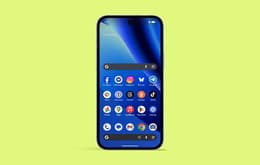
Google Pixel 8 • Unlocked
Starting at

Refurbished price:$254.00

Versus $699.99 new

See options
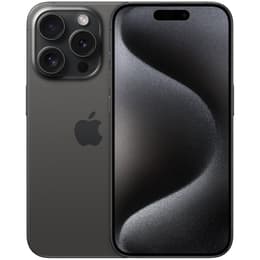
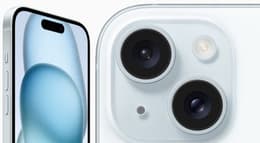
iPhone 15 Pro • Unlocked
Starting at

Refurbished price:$513.00

Versus $999.00 new

See options

Ratings

The Google Pixel 8 and the iPhone 15 Pro are both flagship smartphones released in late 2023, offering advanced features and premium experiences. The Pixel 8, launched in October 2023, runs on Google's Android operating system, emphasizing artificial intelligence and computational photography. The iPhone 15 Pro, released in September 2023, operates on Apple's iOS, known for its robust ecosystem and powerful performance. While both devices aim to deliver a high-end smartphone experience, they differentiate themselves through their software philosophies, camera systems, and design approaches.

Scores

Durability

When considering the long-term usability of these devices, both the Google Pixel 8 and the iPhone 15 Pro offer substantial software support, though with different approaches.

  • Software Longevity: The Google Pixel 8 is notable for its commitment to seven years of OS and security updates, extending its software support until at least October 2030. This extended support aims to keep the device current with the latest features and security patches for a considerable period. The iPhone 15 Pro typically receives iOS updates for approximately five to six years, with security updates often continuing for a minimum of five years from its release date.
  • Repairability: The Google Pixel 8 generally receives a moderate repairability score, with some assessments placing it around 6 or 7 out of 10, indicating that self-repairs are possible for those with some technical skill. The iPhone 15 Pro has seen improvements in its design to facilitate repairs, such as an easier-to-replace back glass, yet its overall repairability score from some experts is around 4 out of 10, partly due to component stacking and parts locking that can complicate independent repairs.
  • Practical Lifespan: Both devices are built with durable materials and are designed for extended use. The Pixel 8's seven-year update promise suggests a longer practical software lifespan, while the iPhone 15 Pro's robust hardware and consistent, though shorter, update cycle also contribute to a device that can perform well for many years.

Release Year

2023

2023

Last OS Compatibility

Yes

Yes

OS

Android

iOS

Foldable

No

No

Performance

Both the Google Pixel 8 and the iPhone 15 Pro deliver strong performance for daily tasks and demanding applications, though they achieve this through different hardware and software optimizations.

  • Processing Power: The iPhone 15 Pro features a current-generation processor designed for high-end performance, enabling smooth operation for complex applications, intensive gaming, and efficient multitasking. The Google Pixel 8 is equipped with a powerful processor that handles demanding apps and multitasking smoothly, with a focus on optimizing AI-driven features and computational photography.
  • Battery Behavior: The iPhone 15 Pro's battery is designed to last a full day for most moderate users, with some reports indicating it can extend further depending on usage patterns. The Google Pixel 8 offers good battery life for typical mixed usage, often providing 8-10 hours of screen time, though some users have noted more significant drain when consistently using mobile data.
  • Storage and Responsiveness: Both devices offer various internal storage options, typically starting from 128GB, to accommodate user needs. The iPhone 15 Pro provides a highly responsive user experience, characterized by fluid animations and quick app launches. The Pixel 8 also offers a very responsive interface, with its software optimized to leverage its processing capabilities for a seamless user experience.

Memory (GB)

8 GB

8 GB

Screen quality

The display quality on both the Google Pixel 8 and the iPhone 15 Pro offers vibrant visuals and clear text, catering to an immersive viewing experience.

  • Display Technology and Clarity: The Google Pixel 8 features a 6.2-inch OLED display with a resolution of 1080 x 2400 pixels, resulting in a pixel density of approximately 428 pixels per inch (ppi). The iPhone 15 Pro comes with a slightly smaller 6.1-inch Super Retina XDR OLED display, offering a higher resolution of 2556 x 1179 pixels and a pixel density of about 460 ppi. Both OLED panels provide deep blacks and vibrant colors.
  • Brightness Levels: For outdoor visibility, both phones offer high brightness. The Pixel 8 can reach up to 1400 nits in high brightness mode and a peak of 2000 nits. The iPhone 15 Pro has a typical maximum brightness of 1000 nits, an HDR peak of 1600 nits, and an outdoor peak brightness of 2000 nits.
  • Refresh Rate and Smoothness: The Pixel 8 features a dynamic refresh rate of up to 120Hz, providing smooth scrolling and responsive interactions. The iPhone 15 Pro incorporates ProMotion technology, offering an adaptive refresh rate that can scale from 1Hz up to 120Hz, optimizing for both smoothness and power efficiency.

Resolution

1080 x 2400

1179 x 2556

Screen type

OLED

LTPO Super Retina XDR OLED

Audiovisual

Both the Google Pixel 8 and the iPhone 15 Pro are recognized for their advanced camera capabilities, excelling in different aspects of photography and videography.

  • Camera System Configuration: The Google Pixel 8 features a dual-camera setup on the rear, including a 50-megapixel main sensor and a 12-megapixel ultrawide lens. The iPhone 15 Pro boasts a more versatile triple-camera system, comprising a 48-megapixel main camera, a 12-megapixel ultrawide camera, and a 12-megapixel 3x telephoto lens for optical zoom.
  • Photography Performance: The Pixel 8 is known for its computational photography, offering features like Night Sight for impressive low-light photos and advanced AI-driven editing capabilities. The iPhone 15 Pro's camera system delivers detailed and color-accurate images across various lighting conditions, with its larger sensor and advanced image processing contributing to strong low-light performance.
  • Video Recording Quality: Both devices support 4K video recording at up to 60 frames per second. The Pixel 8 has improved its low-light video capabilities with features like Night Sight Timelapse. The iPhone 15 Pro offers high-quality video recording with advanced stabilization and features suitable for professional-grade content creation.

Main camera

50 megapixels

48 megapixels

Front camera

10.5 megapixels

12 megapixels

Miscellaneous

Beyond their core functionalities, the Google Pixel 8 and iPhone 15 Pro offer distinct features and design choices that impact user experience and connectivity.

  • Connectivity and Ports: Both smartphones support 5G cellular networks, Wi-Fi 6E (with Pixel 8 supporting Wi-Fi 7 in some markets), and Bluetooth 5.3 for wireless connectivity. A significant change for the iPhone 15 Pro is the adoption of a USB-C port, aligning with the Pixel 8's USB-C 3.2 port, which allows for faster data transfer speeds compared to previous iPhone models.
  • Biometric Security: The Google Pixel 8 utilizes an under-display optical fingerprint sensor for secure unlocking and authentication. The iPhone 15 Pro relies on Face ID, Apple's facial recognition system, for biometric security.
  • Build Materials and Dimensions: The Pixel 8 features a glass front and back (Gorilla Glass Victus) with an aluminum frame, and an IP68 rating for dust and water resistance. The iPhone 15 Pro sports a titanium frame, a Ceramic Shield front cover, and a textured matte glass back, also with an IP68 rating for water and dust resistance. The Pixel 8 measures 150.5 x 70.8 x 8.9 mm and weighs 187 grams, while the iPhone 15 Pro is slightly more compact at 146.6 x 70.6 x 8.25 mm and weighs 187 grams.

Weight

7 oz

187 oz

Screen size (inches)

6.2

6.1

Network

5G

5G

SIM card

Physical SIM + eSIM

eSIM

Carrier compatibility

Unlocked

Unlocked

Connector

USB-C

USB-C (USB 3)

Users frequently praise the Google Pixel 8 for its exceptional camera capabilities, particularly its advanced computational photography and AI-driven features that enhance photos and videos. Its long-term software support, promising seven years of updates, is also a significant positive for many. However, some users have expressed concerns regarding its battery life, especially when heavily relying on mobile data.

The iPhone 15 Pro is often lauded for its powerful performance, premium build quality with a titanium frame, and its versatile camera system that delivers consistent results. The adoption of USB-C has also been a welcome change for many. Criticisms sometimes revolve around battery health degradation over time for some users and the perceived lower repairability compared to some Android counterparts, despite design improvements.

Users prioritizing a device with cutting-edge AI features, a strong emphasis on photography, and an extended software support timeline may find the Google Pixel 8 well-suited to their needs. Conversely, those who value a highly refined ecosystem, robust performance for demanding tasks, and a premium, durable design might lean towards the iPhone 15 Pro. Both devices represent excellent choices, and considering a quality-assured refurbished option for either model can be an eco-friendly alternative to purchasing new.
See all articles

Our recent comparisons