Samsung
Compare models
Differences at a glance
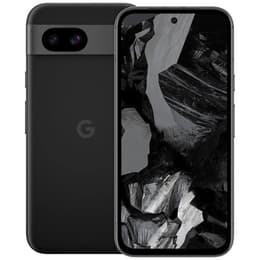
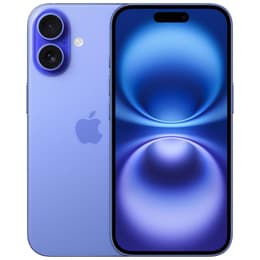
The Google Pixel 8a, released in May 2024, and the Apple iPhone 16, launched in September 2024, represent distinct approaches to the modern smartphone experience. Both devices offer advanced features within their respective ecosystems, but they cater to different user priorities through their design philosophies and core functionalities. The Pixel 8a emphasizes Google's artificial intelligence capabilities and a user-friendly Android interface, while the iPhone 16 focuses on Apple's integrated ecosystem, robust performance, and refined user experience. Evaluating these devices as quality-assured refurbished options allows for informed, sustainable choices.
Color
Storage
When considering the long-term usability of a smartphone, factors like software support and physical resilience are key. Both the Google Pixel 8a and the iPhone 16 offer substantial longevity, though with differing approaches to software commitment and material choices.
Release Year
Last OS Compatibility
Foldable
The performance of a smartphone is central to its daily operation, influencing everything from app responsiveness to handling demanding tasks. Both the Google Pixel 8a and the iPhone 16 are equipped with powerful internal components designed to deliver a fluid user experience.
The display is a primary interface for any smartphone, and both the Google Pixel 8a and the iPhone 16 offer vibrant and clear viewing experiences, though with some distinctions in their underlying technology and capabilities.
Resolution
Screen type
Camera capabilities are a significant consideration for many smartphone users, and both the Google Pixel 8a and the iPhone 16 provide advanced photographic tools, each with its own strengths in image processing and feature sets.
Main camera
Front camera
Beyond the core specifications, several practical elements contribute to the overall user experience of a smartphone. The Google Pixel 8a and the iPhone 16 offer a range of connectivity, security, and design features that differentiate them.
Weight
Screen size (inches)
Network
SIM card
Carrier compatibility
Connector
User feedback for the Google Pixel 8a frequently highlights its exceptional camera performance, often praised for producing high-quality images with Google's advanced computational photography. Users also appreciate its clean Android experience, the promise of seven years of software updates, and its comfortable, compact form factor. Common criticisms include its relatively slow charging speed, the use of Gorilla Glass 3 which some find less durable than newer alternatives, and noticeable display bezels. Some users also report that while the Tensor G3 chip is capable, it can warm up under sustained heavy use.
For the iPhone 16, user expectations and early reviews emphasize its powerful A18 chip, which delivers robust performance for demanding applications and gaming. The integrated Apple Intelligence features within iOS 18 are also a significant draw, promising enhanced smart functionalities. The improved camera system, including the new Camera Control button and spatial video capabilities, is another frequently lauded aspect. Potential concerns for some users might include the standard model's continued 60Hz refresh rate, which is lower than some competitors, and the USB 2.0 data transfer speeds through its USB-C port.
Users prioritizing an extended software support lifespan, a strong focus on AI-driven camera features, and a pure Android experience may find the Google Pixel 8a to be a suitable choice. Conversely, individuals who value a highly integrated ecosystem, top-tier processing power for intensive tasks, and Apple's consistent design and software refinement will likely lean towards the iPhone 16. Both devices offer compelling features for different user profiles, and exploring quality-assured refurbished options can provide access to these advanced technologies in a more sustainable way.