Google Pixel 9 Pro XL • Unlocked vs iPhone 13 • Unlocked

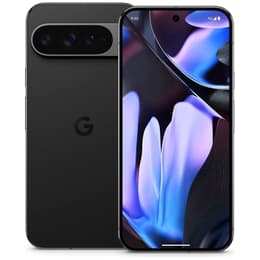
Google Pixel 9 Pro XL • Unlocked
Starting at

Refurbished price:$435.86

Versus $1,099.00 new

See options
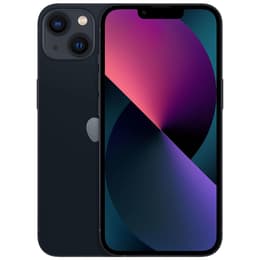
iPhone 13 • Unlocked
Starting at

Refurbished price:$225.99

Versus $629.00 new

See options

Ratings

The Google Pixel 9 Pro XL, released in late 2024, and the Apple iPhone 13, launched in late 2021, represent different generations of flagship smartphones. While both offer robust mobile experiences, the Pixel 9 Pro XL introduces more recent advancements in display technology, camera capabilities, and software longevity, setting it apart from the iPhone 13's established performance and ecosystem.

Scores

Durability

The expected practical lifespan of a smartphone is heavily influenced by its release timeline and the duration of software support it receives.

  • Release Timeline: The Google Pixel 9 Pro XL was released in August 2024, making it a significantly newer device compared to the iPhone 13, which launched in September 2021. This difference in release dates means the Pixel 9 Pro XL benefits from more current hardware and design.
  • OS Support Duration: Google has committed to providing 7 years of OS and security updates for the Pixel 9 Pro XL, extending its software support well into the future. The iPhone 13 typically receives 5 to 6 years of iOS updates from its release, with support potentially lasting until 2028.
  • Repairability: Both devices are designed with a certain level of durability, featuring water and dust resistance. The longevity of either device can be extended through quality-assured refurbished options, offering a sustainable choice for users.

Release Year

2024

2021

Last OS Compatibility

Yes

Yes

OS

Android

iOS

Foldable

No

No

Performance

Performance in daily use is a key differentiator, with both devices offering smooth operation for their respective generations, though the newer Pixel 9 Pro XL brings more advanced processing power.

  • Processor Capabilities: The Pixel 9 Pro XL is equipped with Google's Tensor G4 chipset, designed to handle demanding applications and multitasking with efficiency, especially benefiting from its integrated AI features. The iPhone 13 features the A15 Bionic chip, which provides responsive performance for everyday tasks, gaming, and media consumption.
  • Multitasking and Storage: The Pixel 9 Pro XL comes with 16GB of RAM, allowing for extensive multitasking and keeping numerous applications open in memory without slowdowns. The iPhone 13 has 4GB of RAM, which is sufficient for typical user needs but may require more frequent app reloading when switching between many demanding applications. Both devices offer various storage options, ranging from 128GB up to 1TB for the Pixel 9 Pro XL and up to 512GB for the iPhone 13.
  • Battery Behavior: The Pixel 9 Pro XL includes a battery with a capacity over 5,000 mAh, supporting extended usage and faster wired charging at 45W. The iPhone 13 offers good battery life for its generation, providing up to 19 hours of video playback, and supports MagSafe and Qi wireless charging.

Memory (GB)

16 GB

4 GB

Screen quality

The visual experience on both smartphones is delivered through high-quality displays, but they differ in size, refresh rate, and brightness capabilities.

  • Display Technology and Clarity: The Pixel 9 Pro XL features a large 6.8-inch LTPO OLED display with a resolution of 1344 x 2992 pixels, offering sharp images and vibrant colors. The iPhone 13 has a 6.1-inch Super Retina XDR OLED display with a resolution of 1170 x 2532 pixels, known for its deep blacks and accurate color reproduction.
  • Brightness and Refresh Rate: The Pixel 9 Pro XL boasts a peak brightness of 3000 nits, ensuring excellent visibility even in bright outdoor conditions, and an adaptive 120Hz refresh rate for smooth scrolling and fluid animations. The iPhone 13 offers a typical brightness of 800 nits and a peak HDR brightness of 1200 nits, with a standard 60Hz refresh rate.
  • Viewing Experience: The larger screen and higher refresh rate of the Pixel 9 Pro XL provide a more immersive and responsive viewing experience, particularly for gaming and fast-paced content. The iPhone 13's display, while smaller and at a lower refresh rate, still delivers a clear and enjoyable visual experience for general use.

Resolution

1344 x 2992

1170 x 2532

Screen type

LTPO OLED

Super Retina XDR OLED

Audiovisual

Both devices offer capable camera systems, but the Pixel 9 Pro XL incorporates a more versatile setup with advanced computational photography features.

  • Camera System Capabilities: The Pixel 9 Pro XL features a triple-camera system on the rear, including a 50MP main sensor, a 48MP ultrawide lens, and a 48MP periscope telephoto lens with 5x optical zoom. The iPhone 13 has a dual 12MP camera system, comprising a main wide lens and an ultrawide lens.
  • Photography Performance: The Pixel 9 Pro XL leverages its advanced sensors and Google's computational photography, including Gemini AI features, for enhanced detail, dynamic range, and low-light performance across its multiple lenses. The iPhone 13's camera system, with features like Sensor-shift optical image stabilization on the main lens and Smart HDR 4, delivers strong performance in various lighting conditions, including improved low-light capture compared to its predecessors.
  • Video Recording and Audio: The Pixel 9 Pro XL is expected to offer advanced video recording capabilities, benefiting from its newer processor and AI enhancements. The iPhone 13 includes Cinematic Mode for video, which allows for shallow depth of field effects, and supports HDR video recording up to 4K at 60 frames per second. Both devices provide clear microphone quality for calls and recording, and offer a good media consumption experience through their speakers.

Main camera

50 megapixels

12 megapixels

Front camera

42 megapixels

12 megapixels

Miscellaneous

Beyond core features, several practical elements contribute to the overall user experience and differentiate these two smartphones.

  • Connectivity and Ports: The Pixel 9 Pro XL supports modern connectivity standards including 5G, Wi-Fi 6, and Bluetooth, and is rumored to include satellite connectivity. The iPhone 13 also supports 5G, Wi-Fi 6, and Bluetooth 5.0, utilizing a Lightning port for charging and data transfer.
  • Biometric Security and Build: The Pixel 9 Pro XL likely features an under-display fingerprint sensor, alongside face recognition. The iPhone 13 relies on Face ID for secure authentication. Both devices boast an IP68 rating for water and dust resistance, indicating good durability.
  • Dimensions and Handling: The Pixel 9 Pro XL, with its 6.8-inch display, is a larger and potentially heavier device, offering more screen real estate. The iPhone 13, with its 6.1-inch display, provides a more compact form factor that may be preferred for one-handed use.

Weight

8 oz

6 oz

Screen size (inches)

6.8

6.1

Network

5G

5G

SIM card

Physical SIM + eSIM

Physical SIM + eSIM

Carrier compatibility

Unlocked

Unlocked

The Google Pixel 9 Pro XL and the iPhone 13 cater to different user priorities, largely due to their generational gap. The Pixel 9 Pro XL, as a more recent release, offers a larger, more vibrant 120Hz display, a highly advanced and versatile camera system with a telephoto lens, and a longer software support commitment from Google. Its newer processor and significantly more RAM also position it for superior performance in demanding tasks and future-proofing.

Conversely, the iPhone 13, while older, remains a capable device within the Apple ecosystem. Users often praise its consistent performance, reliable battery life for its generation, and the intuitive iOS experience. Its camera system, though less versatile than the Pixel 9 Pro XL's, still delivers quality photos and videos for most users. Some users appreciate its more compact size compared to larger modern flagships. However, its 60Hz display and shorter software support window are notable trade-offs compared to the newer Pixel.

Users prioritizing the latest technology, a high refresh rate display, advanced computational photography, and extended software longevity may find the Google Pixel 9 Pro XL better suited to their needs. Those who value a slightly more compact device, a familiar iOS experience, and consistent performance for everyday tasks may lean towards the iPhone 13. Both devices are available as quality-assured refurbished options, providing an eco-friendly alternative for consumers.
See all articles

Our recent comparisons