Samsung
Compare models
Differences at a glance
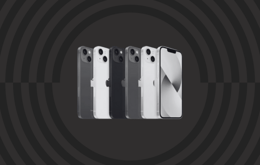
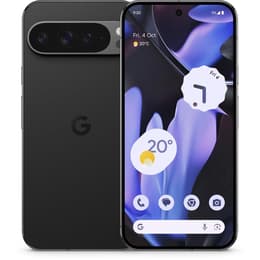
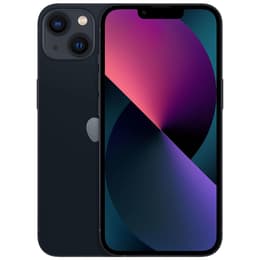
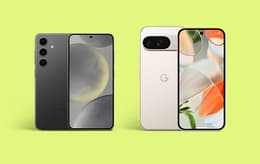
The Google Pixel 9 Pro, released in late 2024, and the Apple iPhone 13, launched in September 2021, represent different generations and operating systems within the smartphone market. While the Pixel 9 Pro operates on Android and emphasizes advanced computational photography and AI features, the iPhone 13 runs on iOS, focusing on a streamlined user experience and robust ecosystem. This comparison will explore their core differences in design, performance, and capabilities to help users determine which device aligns best with their needs.
Color
Storage
When considering the longevity of a smartphone, several factors come into play, including software support, physical durability, and ease of repair.
Release Year
Last OS Compatibility
OS
Foldable
The performance of a smartphone is largely dictated by its internal processing power and how efficiently it manages tasks and applications.
The display is a primary interface for smartphone interaction, and both devices offer distinct visual experiences.
Resolution
Screen type
Both smartphones offer advanced camera systems, but they approach photography with different strengths and feature sets.
Main camera
Front camera
Beyond the core specifications, several practical elements contribute to the overall user experience of these smartphones.
Weight
Screen size (inches)
Network
SIM card
Carrier compatibility
Connector
The Google Pixel 9 Pro and iPhone 13 cater to different user preferences, reflecting their respective release timelines and ecosystem philosophies. Users often praise the Pixel 9 Pro for its cutting-edge AI capabilities, advanced camera system with extensive computational photography features, and its commitment to long-term software support. Some common sentiments highlight its vibrant, high-refresh-rate display and robust battery life as significant advantages. However, some users have noted concerns regarding its repairability, citing difficulties with screen and battery replacements due to design choices.
The iPhone 13, despite being an older model, is frequently lauded for its consistent performance, the intuitive nature of iOS, and its strong ecosystem integration. Users appreciate its reliable camera for everyday photography and video, as well as its durable Ceramic Shield front. Criticisms sometimes point to its standard 60Hz display refresh rate compared to newer devices and its proprietary Lightning port. Its repairability, while initially challenging, saw improvements with software updates.
Users prioritizing the latest AI innovations, a highly versatile camera with advanced zoom, a smoother high-refresh-rate display, and extended software longevity may find the Google Pixel 9 Pro well-suited to their needs. Conversely, individuals who value a proven, user-friendly operating system, a compact design, and a strong, integrated ecosystem might lean towards the iPhone 13. Both devices offer compelling experiences, and considering a quality-assured refurbished option for either model can be an eco-friendly alternative for making an informed choice.