
Compare models
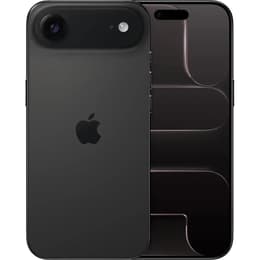
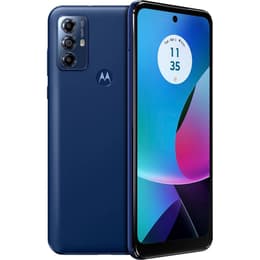
iPhone Air • Unlocked vs Motorola Moto G Play (2023) • Unlocked
- 1-year warranty
- Free standard shipping
- Free 30-day returns
Differences at a glance
The Apple iPhone Air (2025) and the Motorola Moto G Play (2023) represent two entirely different approaches to smartphone design and user philosophy. While the iPhone Air is an ultra-slim, premium-tier device built around high-end capabilities, the Motorola Moto G Play is an entry-level smartphone focused on fundamental daily functionality and essential tasks. Running on entirely different operating systems, iOS and Android respectively, these devices cater to contrasting user preferences, build styles, and functional expectations.
Available Models
Color
Storage (GB)
Scores
Durability
When examining hardware longevity and software support, both smartphones offer distinct timelines and physical durability profiles suited to different user expectations.
- Software Support and Updates: The iPhone Air receives extended, multi-year operating system updates directly from the manufacturer, whereas the Motorola Moto G Play operates on an abbreviated software update schedule typical of entry-level mobile devices.
- Build Materials and Durability: The iPhone Air utilizes a titanium frame and reinforced glass construction with high-tier water resistance, while the Motorola Moto G Play features a plastic build with basic water-repellent sealing for minor splashes.
- Expected Lifespan: Users seeking long-term hardware relevance and sustained software updates will find the iPhone Air maintains peak performance over several years, whereas the Moto G Play is better suited for shorter upgrade cycles or temporary use.
Release Year
2025
2022
Last OS Compatibility
Yes
No
OS
iOS
Android
Foldable
No
No
Performance
Processing power, memory allocation, and battery execution vary dramatically between these two models, directly influencing everyday responsiveness and application handling.
- Daily Speed and Multitasking: The iPhone Air handles demanding multi-app workflows, high-end mobile gaming, and intensive background tasks smoothly, whereas the Motorola Moto G Play manages basic communication, web browsing, and light utility apps with standard responsiveness.
- Storage and Memory: The iPhone Air offers expansive storage tiers paired with generous memory capacity, while the Moto G Play features modest internal storage paired with a dedicated microSD card slot for expandable media storage.
- Battery Behavior: The Moto G Play benefits from a large cell paired with efficient hardware to easily stretch across multiple days of light use, while the iPhone Air balances high-performance output with optimized power management for a full day of mixed use.
Screen quality
Display technology defines the visual experience, offering contrasting panel types, brightness levels, and motion smoothness.
- Display Technology: The iPhone Air features an advanced OLED screen delivering deep contrast levels and rich color reproduction, whereas the Motorola Moto G Play uses an IPS LCD panel with standard color depth and viewing angles.
- Brightness and Outdoor Legibility: The iPhone Air reaches exceptionally high peak outdoor brightness levels for clear visibility in direct sunlight, while the Moto G Play provides adequate brightness levels for indoor environments and shaded outdoor use.
- Refresh Rate and Motion: Both devices support elevated refresh rates above standard sixty-hertz speeds, ensuring smooth scrolling through menus, web pages, and user interfaces.
Resolution
2736x1260
720 x 1600
Screen type
Super Retina XDR
IPS LCD
Audiovisual
Optics and media playback hardware shape how each device captures daily moments and handles audio-visual entertainment.
- Camera Systems: The iPhone Air relies on a single high-resolution main camera sensor backed by advanced computational photography tools, while the Motorola Moto G Play utilizes a basic multi-lens setup focused on casual, straightforward snapshots.
- Video and Low-Light Capture: The iPhone Air records detailed, stable video clips and retains clarity in dim lighting conditions, whereas the Moto G Play performs adequately in bright daylight but struggles with fine detail in darker environments.
- Audio Output: The iPhone Air delivers clear media sound through its integrated speaker configuration, while the Moto G Play retains a traditional 3.5mm headphone jack for wired audio accessories alongside its built-in speaker.
Main camera
48 megapixels
16 megapixels
Front camera
18 megapixels
5 megapixels
Miscellaneous
Practical physical characteristics, connectivity standards, and daily usability features round out the core utility of each smartphone.
- Connectivity and Ports: The iPhone Air utilizes a modern USB-C data port alongside advanced wireless and fifth-generation cellular standards, whereas the Moto G Play features standard fourth-generation cellular connectivity and micro-USB or basic USB-C charging interfaces depending on regional production variations.
- Dimensions and Handling: The iPhone Air boasts an exceptionally thin, lightweight profile that feels remarkably featherlight in the hand, while the Moto G Play features a thicker, heavier plastic chassis that provides a traditional, sturdy grip.
Weight
185 oz
8 oz
Screen size (inches)
6.5
6.5
Network
5G
LTE
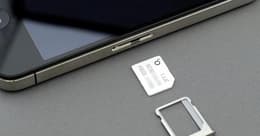
SIM card
eSIM
Physical SIM
Carrier compatibility
Unlocked
Unlocked
Connector
USB-C
USB-C + Jack 3.5mm
What the community thinks
Choosing between the iPhone Air and the Motorola Moto G Play depends entirely on individual daily requirements and device expectations. Users prioritizing cutting-edge processing power, advanced display technology, and long-term software updates will find the iPhone Air well-suited to their needs. Conversely, individuals looking for a straightforward, dependable communication tool with expansive battery stamina and expandable storage will lean toward the Motorola Moto G Play. For shoppers exploring sustainable choices, opting for a quality-assured refurbished option provides an eco-friendly alternative that reduces electronic waste without compromising on performance standards. Evaluating these core differences ensures a satisfying hardware selection aligned with personal usage habits.