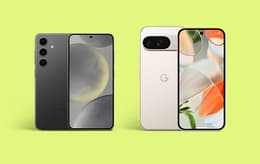
Google Pixel 9 Pro • Unlocked vs iPhone 14 • Unlocked

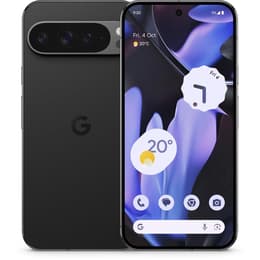
Google Pixel 9 Pro • Unlocked
Starting at

Refurbished price:$435.86

Versus $899.99 new

See options
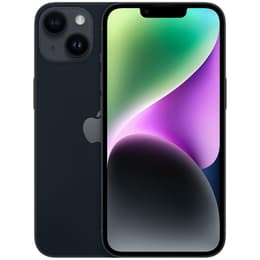
iPhone 14 • Unlocked
Starting at

Refurbished price:$256.00

Versus $629.00 new

See options

Ratings

The Google Pixel 9 Pro, released in late 2024, and the Apple iPhone 14, launched in late 2022, represent distinct approaches to the modern smartphone experience within their respective Android and iOS ecosystems. While the Pixel 9 Pro emphasizes advanced artificial intelligence and a versatile camera system, the iPhone 14 offers a streamlined user experience with robust performance and integrated services. A primary differentiator lies in their operating systems and the two-year gap in their release timelines, influencing their feature sets and expected longevity.

Scores

Durability

The age difference between these two devices significantly impacts their anticipated software support and physical resilience over time.

  • Software Longevity: The Google Pixel 9 Pro comes with a commitment to seven years of operating system and security updates, extending its support until at least August 2031. In contrast, the iPhone 14 typically receives major iOS updates for approximately five to seven years from its release, with security patches potentially continuing for a longer period. This means the Pixel 9 Pro offers a longer guaranteed period for receiving the latest software features and security enhancements.
  • Physical Build and Environmental Resistance: Both devices feature an IP68 rating for water and dust resistance, indicating a high level of protection against environmental elements. The Pixel 9 Pro incorporates more recent glass technology designed to offer enhanced resistance against scratches and minor impacts compared to the iPhone 14.
  • Repairability: The Google Pixel 9 Pro has a repairability index score of 8.4 out of 10, suggesting a design that facilitates easier repairs. The iPhone 14 initially received a favorable repairability score due to internal redesigns, but this was later downgraded to a 'do not recommend' score of 4 out of 10 by iFixit, primarily due to software locks and part pairing requirements that complicate independent repairs.

Release Year

2024

2022

Last OS Compatibility

Yes

Yes

OS

Android

iOS

Foldable

No

No

Performance

Both smartphones deliver capable performance for everyday tasks, but they differ in their underlying architecture and how they handle demanding applications.

  • Processing Power: The Google Pixel 9 Pro is equipped with a current-generation processor, designed to efficiently handle complex background tasks and advanced artificial intelligence features. The iPhone 14 utilizes a previous-generation processor, which still provides smooth and responsive performance for a wide range of applications and multitasking.
  • Multitasking and Responsiveness: With a higher amount of internal memory, the Pixel 9 Pro is well-suited for users who frequently switch between many applications or engage in memory-intensive tasks, ensuring sustained responsiveness. The iPhone 14, while capable of smooth multitasking, may show slight differences in managing a very high number of concurrently active applications due to its memory configuration.
  • Battery Behavior: The Pixel 9 Pro features a larger battery capacity, which generally translates to extended usage times for many users. User experiences suggest it can last through a full day of heavy use. The iPhone 14 also offers all-day battery life for typical usage, with users reporting it holds up well through a full day.

Memory (GB)

16 GB

6 GB

Screen quality

The visual experience on these devices presents notable differences, particularly in display technology and brightness capabilities.

  • Display Technology and Clarity: The Google Pixel 9 Pro features an advanced OLED panel with a higher resolution and pixel density, contributing to sharper images and finer detail. The iPhone 14 uses a Super Retina XDR OLED display, offering excellent color accuracy and sharp text, which is well-suited for media consumption.
  • Refresh Rate and Smoothness: The Pixel 9 Pro boasts a variable refresh rate that can reach 120Hz, providing noticeably smoother scrolling and more fluid animations, especially during fast-paced content or gaming. The iPhone 14 operates at a standard 60Hz refresh rate, which delivers a consistent visual experience but may appear less fluid compared to higher refresh rate displays.
  • Brightness Levels: For outdoor visibility, the Pixel 9 Pro offers significantly higher peak brightness levels, making the screen easier to read in direct sunlight. The iPhone 14 provides strong brightness for various lighting conditions, with good visibility outdoors, though it may not reach the same peak levels as the Pixel 9 Pro.

Resolution

1280 x 2856

1170 x 2532

Screen type

LTPO OLED

Super Retina XDR OLED

Audiovisual

Both smartphones are recognized for their camera capabilities, though they approach photography with different hardware and software philosophies.

  • Camera System Configuration: The Google Pixel 9 Pro features a triple-lens rear camera system, including a 50-megapixel main sensor, a 48-megapixel ultra-wide lens, and a 48-megapixel telephoto lens with 5x optical zoom, alongside a 42-megapixel front camera. The iPhone 14 utilizes a dual-lens setup with a 12-megapixel main camera and a 12-megapixel ultra-wide camera, complemented by a 12-megapixel front camera.
  • Photography Performance: Google's approach to photography heavily relies on computational processing, often resulting in images with high dynamic range and impressive detail, particularly in low-light conditions. The iPhone 14's image processing tends to produce natural skin tones and consistent exposure across various lighting scenarios. Users often praise the iPhone 14's camera quality, especially for low-light shots.
  • Video Recording and Features: The Pixel 9 Pro offers advanced video capabilities, including Super Res Zoom up to 20x for video. The iPhone 14 includes features like Cinematic Mode for depth-of-field effects and Action Mode for enhanced video stabilization, allowing for smooth footage even when in motion.

Main camera

50 megapixels

12 megapixels

Front camera

42 megapixels

12 megapixels

Miscellaneous

Beyond core features, several practical elements differentiate the user experience of these two devices.

  • Connectivity and Ports: Both devices support 5G connectivity and modern Wi-Fi standards. A key difference lies in their physical ports: the Google Pixel 9 Pro uses the universal USB-C standard, while the iPhone 14 employs Apple's proprietary Lightning connector.
  • Biometric Security: The Pixel 9 Pro offers both facial recognition and an under-display fingerprint sensor, providing users with flexible options for secure access. The iPhone 14 relies solely on facial recognition for secure unlocking and authentication.
  • Design and Handling: The Pixel 9 Pro measures 152.8 x 72 x 8.5 mm and weighs 199g. The iPhone 14 is slightly more compact and lighter, with dimensions of 146.7 x 71.5 x 7.8 mm and a weight of 172g. These differences can influence how each device feels in hand and its portability.

Weight

7 oz

6 oz

Screen size (inches)

6.3

6.1

Network

5G

5G

SIM card

Physical SIM + eSIM

eSIM

Carrier compatibility

Unlocked

Unlocked

Connector

USB-C

Lightning

User feedback for the Google Pixel 9 Pro often highlights its exceptional camera capabilities, vibrant display, and smooth performance, with many appreciating its advanced AI features and long software support. Some users have noted instances of the device heating up during light use or experiencing battery drain after certain updates. The iPhone 14 is frequently praised for its consistent overall performance, reliable camera quality, and dependable battery life, along with its ease of use. Common criticisms include it being a relatively minor upgrade over its predecessor and some users desiring more storage options.

Users prioritizing a cutting-edge Android experience with a focus on computational photography, extensive AI integration, and a longer software support window may find the Google Pixel 9 Pro well-suited to their needs. Its higher refresh rate display and versatile camera system cater to those who value visual fluidity and photographic flexibility. Conversely, individuals who prefer the iOS ecosystem, a slightly more compact and lighter device, and a consistently smooth user experience with strong video capabilities may lean towards the iPhone 14. Both devices offer robust performance for daily tasks, making the choice often dependent on preferred operating system and specific feature priorities.

For those considering either of these capable smartphones, exploring quality-assured refurbished options can provide an eco-friendly alternative, extending the life cycle of these devices and contributing to sustainable consumption.
See all articles

Our recent comparisons