
Compare models

Google Pixel 9 Pro • Unlocked vs iPhone 17 Pro Max • Unlocked

  • 1-year warranty
  • Free standard shipping
  • Free 30-day returns
Google Pixel 9 Pro • Unlocked
Starting at

Refurbished price:$460.00

Versus $959.00 new

See options
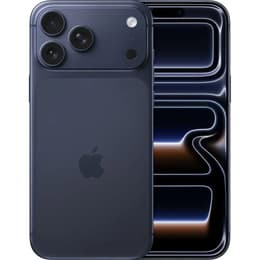
iPhone 17 Pro Max • Unlocked
Starting at

Refurbished price:$1,055.00

Versus $1,199.00 new

See options

Differences at a glance

The Google Pixel 9 Pro (2024) and the Apple iPhone 17 Pro Max (2025) represent distinct approaches to high-end mobile technology, each tailored to different ecosystems and user preferences. While the Google Pixel 9 Pro runs on Android with a focus on compact ergonomics and integrated assistant capabilities, the iPhone 17 Pro Max operates on iOS within a larger-format design that emphasizes expansive media viewing. These devices differ significantly in physical footprint, software architecture, and hardware generation, offering distinct paths for users seeking a reliable everyday companion.

Available Models

Color

Storage

Scores

Durability

Both smartphones provide extended longevity through long-term manufacturer support, though their release timelines and hardware update cycles differ. Choosing a quality-assured refurbished option from Back Market delivers both reliability and a sustainable choice for environmentally conscious consumers.

  • Software Support Window: The Google Pixel 9 Pro receives multi-year system and security updates starting from its 2024 release, while the iPhone 17 Pro Max benefits from an extended support timeline beginning with its 2025 launch.
  • Build Longevity: Both models utilize durable glass-and-metal construction combined with high water-resistance ratings, ensuring they withstand routine daily wear and tear over several years of active use.

Release Year

2024

2025

Last OS Compatibility

Yes

Yes

OS

Android

iOS

Foldable

No

No

Performance

Everyday operations and multitasking are handled smoothly by both handsets, though they rely on entirely different internal architectures and memory configurations to achieve their responsiveness.

  • Multitasking and System Responsiveness: The Google Pixel 9 Pro manages demanding applications effortlessly with its high-capacity RAM allocation, whereas the iPhone 17 Pro Max utilizes an efficient processor configuration to handle heavy workloads and fast app switching.
  • Battery Behavior: The Pixel 9 Pro provides dependable daily power for standard routines, while the larger physical footprint of the iPhone 17 Pro Max accommodates a higher-capacity battery designed to support intensive use over extended periods.

Screen quality

Display performance is a key differentiator between the two models, primarily driven by differences in physical screen dimensions and panel technology.

  • Display Size and Form Factor: The Google Pixel 9 Pro features a manageable 6.3-inch screen size well-suited for single-handed operation, compared to the expansive 6.9-inch display on the iPhone 17 Pro Max that prioritizes immersive viewing.
  • Outdoor Visibility and Clarity: Both devices incorporate high-refresh-rate OLED technology with robust peak brightness levels, ensuring sharp text rendering and clear visibility under direct sunlight.

Resolution

1280 x 2856

2868x1320

Screen type

LTPO OLED

Super Retina XDR

Audiovisual

Photography and media capture capabilities are robust on both platforms, utilizing multi-lens setups designed to handle various lighting conditions and recording requirements.

  • Imaging Capabilities: Both smartphones feature high-resolution main, ultra-wide, and telephoto lenses capable of capturing detailed photographs across diverse scenarios, including low-light environments.
  • Media and Audio Output: Stereo speaker systems on both devices deliver clear sound quality for hands-free calls and video playback, complemented by advanced microphone arrays for recording audio.

Main camera

50 megapixels

48 megapixels

Front camera

42 megapixels

18 megapixels

Miscellaneous

Practical daily usability is shaped by physical dimensions, connectivity standards, and ecosystem integration features inherent to each manufacturer's hardware design.

  • Physical Dimensions and Handling: The lighter and more compact build of the Google Pixel 9 Pro offers comfortable pocketability, whereas the heavier iPhone 17 Pro Max provides a larger canvas at the expense of pocket space.
  • Connectivity and Ports: Both units support fast cellular data networks and modern wireless standards while utilizing standard USB-C connectivity for wired charging and data transfers.

Weight

7 oz

185 oz

Screen size (inches)

6.3

6.9

Network

5G

5G

SIM card

Physical SIM + eSIM

eSIM

Carrier compatibility

Unlocked

Unlocked

Connector

USB-C (USB 3)

USB-C

What the community thinks

Deciding between these two devices depends heavily on personal workflow preferences and preferred software environments. Users prioritizing a compact, easily manageable physical size alongside integrated assistant functions will find the Google Pixel 9 Pro well-suited to their daily routines. Conversely, users who prefer a larger display format for media consumption and gaming, coupled with the iOS ecosystem, will lean toward the iPhone 17 Pro Max. Reviewers and everyday users frequently praise the Pixel 9 Pro for its ergonomic comfort, while noting that its battery capacity is smaller than its competitor. Meanwhile, the iPhone 17 Pro Max earns recognition for its expansive screen and longevity, though some users mention its heavier weight as a consideration for one-handed use. Selecting a quality-assured refurbished option through Back Market offers a sustainable choice that aligns performance needs with environmental responsibility.

Our recent comparisons