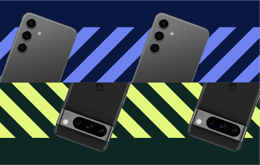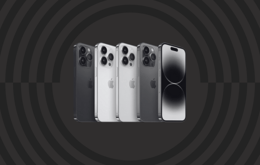
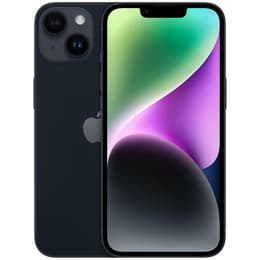
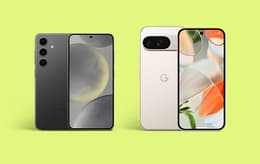
Google Pixel 9 • Unlocked vs iPhone 14 • Locked T-Mobile

Google Pixel 9 • Unlocked
Starting at

Refurbished price:$370.00

Versus $589.14 new

See options
iPhone 14 • Locked T-Mobile
Starting at

Refurbished price:$239.00

Versus $599.00 new

See options

Ratings

The Google Pixel 9, released in August 2024, and the iPhone 14, launched in September 2022, represent distinct approaches to the modern smartphone experience. While both devices offer robust performance and capable camera systems, they differ significantly in their display technology, software longevity, and overall design philosophy. This comparison aims to highlight these practical differences to help users determine which device best suits their needs.

Scores

Durability

When considering the long-term usability of a smartphone, factors like release date, software support, and repairability play a crucial role.

  • Release Timeline: The Google Pixel 9 is a more recent device, having been released in August 2024, making it two years newer than the iPhone 14, which debuted in September 2022. This difference in release year directly impacts the expected duration of software support and overall technological relevance.
  • OS Support Duration: Google typically provides seven years of major Android updates and security patches for its Pixel devices, suggesting the Pixel 9 will receive support until at least 2031. Apple generally offers 5-6 years of iOS updates for its iPhones, meaning the iPhone 14's software support is likely to conclude around 2027-2028.
  • Repairability: The iPhone 14 initially received a favorable repairability score due to its internal redesign, which made accessing components easier. However, this score was later downgraded by iFixit due to Apple's part-pairing requirements, which can complicate repairs with unauthorized or non-genuine parts. Information regarding the Pixel 9's specific repairability score is less detailed, but Google generally aims for a more open repair ecosystem.

Release Year

2024

2022

Last OS Compatibility

Yes

Yes

OS

Android

iOS

Foldable

No

No

Performance

Both the Google Pixel 9 and the iPhone 14 deliver smooth performance for daily tasks, but their underlying hardware and optimization strategies cater to slightly different user expectations.

  • Processor Capabilities: The Pixel 9 is equipped with Google's Tensor G4 processor, which is optimized for on-device artificial intelligence and machine learning tasks, contributing to features like advanced photo processing and real-time language translation. The iPhone 14 utilizes the A15 Bionic chip, known for its strong general-purpose computing power and graphical performance, ensuring fluid app navigation and gaming experiences.
  • Multitasking and Responsiveness: The Pixel 9 comes with 12GB of RAM, which allows for extensive multitasking and keeping numerous applications open in the background without significant slowdowns. The iPhone 14 features 6GB of RAM, which, combined with iOS's efficient memory management, provides a responsive user experience for most typical smartphone activities.
  • Storage Options: The Pixel 9 is available with 128GB or 256GB of internal storage. The iPhone 14 offers more flexibility with 128GB, 256GB, and 512GB storage configurations, catering to users with larger media libraries or extensive app collections.
  • Battery Behavior: The Pixel 9 houses a 4700 mAh battery, designed to provide over 24 hours of use on a single charge, with an extreme battery saver mode extending this significantly. The iPhone 14 has a 3279 mAh battery, which typically lasts a full day for most users, achieving around 9 hours and 28 minutes in web browsing tests.

Memory (GB)

12 GB

6 GB

Screen quality

The visual experience on a smartphone is largely defined by its display, and here the Pixel 9 and iPhone 14 present notable differences.

  • Display Technology and Clarity: Both devices feature OLED displays, known for their deep blacks and vibrant colors. The iPhone 14 uses a Super Retina XDR OLED display with a resolution of 2532 by 1170 pixels, resulting in a pixel density of 460 pixels per inch (ppi). The Pixel 9 features a 6.3-inch OLED display with a 2400 by 1080 pixel resolution and 422 ppi, utilizing Samsung's newer M14 OLED panel technology.
  • Brightness Levels: The Pixel 9 offers a higher peak brightness of 1800 nits for HDR content, making it highly visible in bright outdoor conditions. The iPhone 14 reaches a typical brightness of 800 nits and a peak HDR brightness of 1200 nits.
  • Refresh Rate and Smoothness: A key differentiator is the refresh rate. The Pixel 9 supports an adaptive refresh rate ranging from 60Hz to 120Hz, providing smoother scrolling and more fluid animations, particularly noticeable in gaming and fast-paced content. The iPhone 14 has a standard 60Hz refresh rate, which is sufficient for everyday use but does not offer the same level of visual fluidity.
  • Screen Size and Protection: The Pixel 9 has a slightly larger 6.3-inch display compared to the iPhone 14's 6.1-inch screen. Both devices offer robust screen protection; the Pixel 9 uses Gorilla Glass Victus 2, while the iPhone 14 features Apple's Ceramic Shield front cover.

Resolution

1080 x 2424

1170 x 2532

Screen type

OLED

Super Retina XDR OLED

Audiovisual

Both smartphones are recognized for their photographic capabilities, leveraging advanced computational photography to produce high-quality images and videos.

  • Rear Camera System: The Google Pixel 9 features a dual-lens rear camera setup, including a 50MP main sensor with a wide f/1.68 aperture and optical image stabilization, alongside a 48MP ultra-wide lens with a f/1.7 aperture and macro autofocus. The iPhone 14 also has a dual-lens system, comprising a 12MP main camera with a f/1.5 aperture and sensor-shift optical image stabilization, and a 12MP ultra-wide camera with a f/2.4 aperture.
  • Low-Light and Everyday Photography: The Pixel 9 excels in low-light conditions with features like Night Sight and Astrophotography, and its larger main sensor captures more light. The iPhone 14's Photonic Engine significantly improves low-light performance across all its cameras, enhancing detail and color in challenging lighting. Both devices offer Portrait Mode for stylized photos with depth effects.
  • Video Recording Quality: The Pixel 9 supports 4K video recording at 60 frames per second and includes advanced video features such as Audio Magic Eraser, Cinematic blur, and various stabilization modes. The iPhone 14 records 4K Dolby Vision HDR video at up to 60 frames per second and introduces Cinematic mode for cinematic depth effects and Action mode for smooth, stabilized video capture.
  • Front Camera: For selfies and video calls, the Pixel 9 has a 10.5MP front camera with autofocus. The iPhone 14 features a 12MP TrueDepth front camera with autofocus and improved low-light performance.

Main camera

50 megapixels

12 megapixels

Front camera

10.5 megapixels

12 megapixels

Miscellaneous

Beyond core performance and camera, several practical elements contribute to the overall user experience and device utility.

  • Connectivity Options: Both the Google Pixel 9 and iPhone 14 support 5G connectivity, ensuring fast mobile data speeds where available. They also feature modern Wi-Fi standards (Wi-Fi 6 for iPhone 14) and Bluetooth 5.3 for wireless accessories.
  • Port Types: The Pixel 9, like most Android devices, is expected to feature a USB-C port for charging and data transfer. The iPhone 14 utilizes Apple's proprietary Lightning port.
  • Biometric Security: The iPhone 14 relies on Face ID for secure facial recognition. The Pixel 9 is expected to feature an ultrasonic fingerprint reader, offering an alternative biometric authentication method.
  • Dimensions and Handling: The iPhone 14 measures 146.7 x 71.5 x 7.80 mm and weighs 172 grams, offering a compact and relatively lightweight design. The Pixel 9 is slightly larger and heavier at 152.8 x 72.0 x 8.5mm and 198 grams. These differences can impact one-handed use and pocketability.
  • Build Materials and Durability: The iPhone 14 features a Ceramic Shield front, glass back, and an aluminum frame, providing IP68 water and dust resistance. The Pixel 9 also boasts an IP68 rating and uses Gorilla Glass Victus 2 on both the front and back, with a frame made from 100% recycled aluminum.

Weight

7 oz

6 oz

Screen size (inches)

6.3

6.1

Network

5G

5G

SIM card

Physical SIM + eSIM

eSIM

Carrier compatibility

Unlocked

T-Mobile

Connector

USB-C

Lightning

The Google Pixel 9 and iPhone 14 cater to different user priorities, reflecting their respective ecosystems and release timelines. User sentiment for the iPhone 14, while generally positive, showed a slight decrease in 5-star ratings compared to its predecessor, with some users noting faster-than-expected battery degradation. Conversely, early indications for the Pixel 9 suggest strong battery performance and praise for its AI-driven features and display quality.

Users prioritizing the latest technology, a high refresh rate display, and Google's advanced AI features, coupled with a longer software support window, may find the Google Pixel 9 more aligned with their needs. Its larger battery capacity and newer processor offer a more future-proof experience for demanding applications and extended use.

On the other hand, individuals who prefer the established iOS ecosystem, a slightly more compact and lighter design, and Apple's robust app library might lean towards the iPhone 14. Its camera system remains highly capable for everyday photography and video, and its performance is still strong for most users.

Ultimately, the choice depends on whether a user values the cutting-edge advancements and AI integration of a newer Android flagship or the proven reliability and ecosystem of a slightly older, yet still highly functional, iPhone. For those seeking a more sustainable choice, both models are available as quality-assured refurbished options, offering an eco-friendly alternative to purchasing new. This allows consumers to access premium technology while minimizing environmental impact.
See all articles

Our recent comparisons