
Google Pixel
Compare models
Differences at a glance
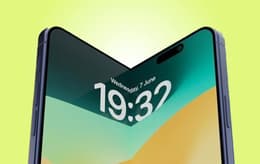
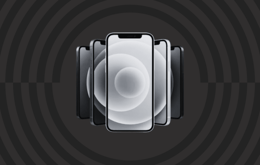
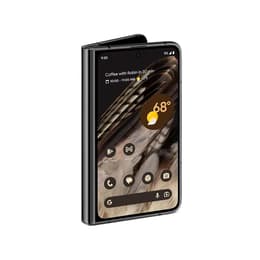
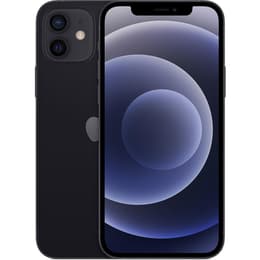
The Google Pixel Fold (2023) and the iPhone 12 (2020) represent distinct approaches to smartphone design and functionality. The Pixel Fold introduces a versatile folding form factor running on the Android operating system, allowing it to transform between a traditional smartphone and a small tablet. In contrast, the iPhone 12 offers a classic, rigid smartphone experience powered by Apple's iOS, focusing on a streamlined user interface and robust ecosystem. These devices cater to different user preferences, primarily differing in their physical design, operating system, and display configurations.
Color
Storage
When considering the long-term usability of these devices, their release timelines and software support policies are key factors.
Release Year
Last OS Compatibility
OS
Foldable
The performance of a smartphone is crucial for daily tasks, app usage, and overall responsiveness.
The display is a primary interaction point, and both devices offer distinct visual experiences.
Resolution
Screen type
Both smartphones offer capable camera systems, though with different configurations and strengths.
Main camera
Front camera
Beyond the core features, several practical elements differentiate these two devices.
Weight
Screen size (inches)
Network
SIM card
Carrier compatibility
Connector
The Google Pixel Fold and iPhone 12 cater to distinct user needs and preferences, reflecting their different design philosophies and release timelines. The Pixel Fold is often praised for its innovative foldable design, offering the utility of a large tablet-like screen in a portable form factor. Users appreciate its capable camera system, particularly the 5x optical zoom, and the wider aspect ratio of its outer display, which makes it more usable as a traditional smartphone when closed. However, some users have noted that its multitasking capabilities, while present, could be more refined compared to other foldables, and its weight and thickness when folded are sometimes mentioned.
The iPhone 12, on the other hand, is frequently lauded for its robust and consistent performance, thanks to its powerful processor, and its excellent OLED display. Its camera system, especially its low-light performance with Night Mode, receives positive feedback, and its Ceramic Shield front cover offers enhanced durability. Common criticisms often point to its 60Hz refresh rate, which is lower than many contemporary devices, and the absence of a telephoto lens.
Users prioritizing a versatile device that can switch between a compact smartphone and a larger screen for productivity or media consumption may find the Google Pixel Fold appealing. Its extended software support also offers a longer runway for future updates. Conversely, individuals who prefer a traditional, highly refined smartphone experience with a strong emphasis on consistent performance, a robust app ecosystem, and a durable, familiar design will likely lean towards the iPhone 12. Both devices offer quality-assured refurbished options, providing an eco-friendly alternative for consumers looking to make informed and sustainable choices.