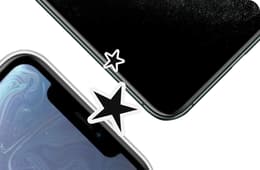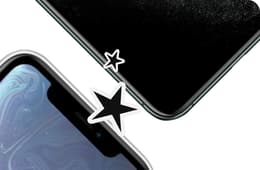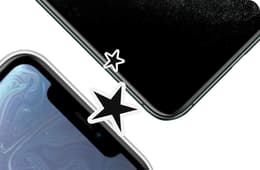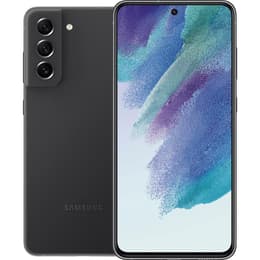

Galaxy S21 FE 5G • Locked Verizon vs iPhone 11 Pro • Unlocked

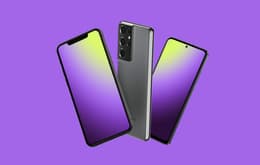
Galaxy S21 FE 5G • Locked Verizon
Starting at

Refurbished price:$143.00

Versus $699.99 new

See options
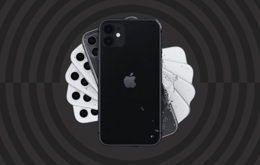
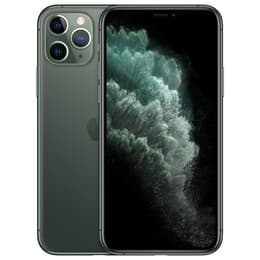
iPhone 11 Pro • Unlocked
Starting at

Refurbished price:$200.00

Versus $749.00 new

See options

Ratings

The Samsung Galaxy S21 FE 5G, released in January 2022, and the Apple iPhone 11 Pro, launched in September 2019, represent different generations and operating systems within the smartphone market. While the Galaxy S21 FE operates on Android, offering a customizable experience, the iPhone 11 Pro runs on Apple's iOS, known for its integrated ecosystem. Key distinctions between these two devices include their release timelines, display technologies, and connectivity capabilities.

Scores

Durability

When considering the long-term usability of these smartphones, their respective release dates and software support policies are important factors.

  • Release Timeline: The Galaxy S21 FE 5G was released in January 2022, making it a significantly newer device compared to the iPhone 11 Pro, which debuted in September 2019. This difference in launch year directly impacts their expected software longevity.
  • Software Longevity: The Galaxy S21 FE 5G launched with Android 12 and is eligible for four generations of Android OS updates and five years of security updates, extending its support well into 2027. The iPhone 11 Pro, initially running iOS 13, has received updates up to iOS 26.4 as of March 2026, and typically receives 5-6 years of major iOS updates from its release.
  • Physical Durability: Both devices offer IP68 water and dust resistance, indicating they can withstand submersion in water under specific conditions. The Galaxy S21 FE features Corning Gorilla Glass Victus for screen protection, while the iPhone 11 Pro utilizes durable glass on both its front and back.

Release Year

2022

2019

Last OS Compatibility

Yes

Yes

OS

Android

iOS

Foldable

No

No

Performance

The performance of a smartphone is largely determined by its internal components and how efficiently its software utilizes them for daily tasks and demanding applications.

  • Processing Power: The Galaxy S21 FE 5G, particularly the Verizon model, is equipped with a processor that handles demanding apps, multitasking, and gaming smoothly. The iPhone 11 Pro features a chip that was considered a leading mobile processor at its release, providing responsive performance for various applications.
  • System Responsiveness: Users of the Galaxy S21 FE 5G generally report a snappy and fluid experience, with games running without significant issues. The iPhone 11 Pro also offers a smooth user experience, with its processor enabling efficient operation across the iOS ecosystem.
  • Memory and Storage: The Galaxy S21 FE 5G is available with 6GB or 8GB of RAM, supporting efficient multitasking, and comes with 128GB or 256GB of internal storage. The iPhone 11 Pro includes 4GB of RAM and offers storage options of 64GB, 256GB, or 512GB. Neither device supports expandable storage via a microSD card.

Memory (GB)

6 GB

4 GB

Screen quality

The visual experience on a smartphone is significantly influenced by its display technology, resolution, and refresh rate.

  • Display Technology and Size: The Galaxy S21 FE 5G features a 6.4-inch Dynamic AMOLED 2X display, known for its vibrant colors and deep blacks. The iPhone 11 Pro has a 5.8-inch Super Retina XDR OLED display, which also delivers rich colors and high contrast.
  • Resolution and Clarity: The Galaxy S21 FE 5G offers a Full HD+ resolution of 1080 x 2400 pixels, providing clear visuals. The iPhone 11 Pro's display has a resolution of 2436 x 1125 pixels, resulting in a sharp image with a pixel density of 458 ppi.
  • Refresh Rate and Brightness: A notable difference is the refresh rate; the Galaxy S21 FE 5G boasts a 120Hz refresh rate for smoother scrolling and animations, which users appreciate. The iPhone 11 Pro has a standard 60Hz refresh rate, though it features a 120Hz touch-sensing rate for responsive interactions. Both displays offer good brightness levels, with the iPhone 11 Pro reaching up to 1200 nits for HDR content.

Resolution

1080 x 2340

1125 x 2436

Screen type

Dynamic AMOLED 2X

Super Retina XDR OLED

Audiovisual

Both smartphones are equipped with capable camera systems designed to capture a variety of moments, though with different approaches and features.

  • Rear Camera Systems: The Galaxy S21 FE 5G features a triple-lens setup with a 12MP wide, 12MP ultrawide, and an 8MP telephoto lens offering 3x optical zoom. The iPhone 11 Pro also has a triple 12MP camera system, including Ultra Wide, Wide, and Telephoto lenses, with 2x optical zoom in and out.
  • Photography Performance: The Galaxy S21 FE 5G is praised for its camera quality, producing detailed and vibrant images in various lighting conditions, including a Night Mode for low-light scenarios. The iPhone 11 Pro introduced features like Night Mode and Deep Fusion, significantly improving low-light photography and overall image processing.
  • Video and Front Camera: Both devices support 4K video recording at up to 60 frames per second. The Galaxy S21 FE 5G has a 32MP front-facing camera, while the iPhone 11 Pro features a 12MP TrueDepth front camera, both capable of capturing detailed selfies and supporting portrait modes.

Main camera

12 megapixels

12 megapixels

Front camera

32 megapixels

12 megapixels

Miscellaneous

Beyond core features, several practical elements contribute to the overall user experience and device functionality.

  • Connectivity Standards: The Galaxy S21 FE 5G supports 5G networks, offering faster data speeds where available, along with Wi-Fi 6 and Bluetooth 5.0. The iPhone 11 Pro supports Gigabit-class LTE with 4x4 MIMO for enhanced cellular performance and Wi-Fi 6, but it does not have 5G connectivity. Both include NFC for mobile payments.
  • Ports and Biometrics: The Galaxy S21 FE 5G uses a USB Type-C port for charging and data transfer, and features an under-display optical fingerprint sensor. The iPhone 11 Pro utilizes Apple's proprietary Lightning port and relies on Face ID for secure authentication. Neither device includes a traditional 3.5mm headphone jack.
  • Design and Handling: The Galaxy S21 FE 5G weighs approximately 177 grams and has dimensions of 155.7 x 74.5 x 7.9 mm. The iPhone 11 Pro is slightly more compact and heavier at 188 grams, with dimensions of 144 x 71.4 x 8.1 mm.

Weight

6 oz

7 oz

Screen size (inches)

6.4

5.8

Network

5G

LTE

SIM card

Physical SIM

Physical SIM + eSIM

Carrier compatibility

Verizon

Unlocked

User feedback for the Samsung Galaxy S21 FE 5G often highlights its strong camera performance, reliable battery life, and the smooth experience provided by its display and processor. Some users note the absence of a headphone jack as a minor drawback. For the iPhone 11 Pro, common praise centers on its robust camera system, consistent performance, and the quality of its OLED display. However, its 60Hz display and lack of 5G connectivity are frequently mentioned as areas where it shows its age compared to newer devices.

Users prioritizing a more recent Android experience with 5G connectivity, a higher refresh rate display, and a larger screen may find the Galaxy S21 FE 5G to be a suitable option. It caters well to individuals who value a versatile camera and a customizable operating system. Conversely, those who prefer the iOS ecosystem, a compact form factor, and a device known for its consistent performance and strong camera capabilities, even without 5G, might lean towards the iPhone 11 Pro. Both devices offer solid performance for everyday use, and choosing a quality-assured refurbished option for either model can be an eco-friendly alternative to purchasing new.


See all articles

Our recent comparisons