Compare models

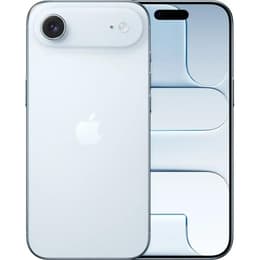
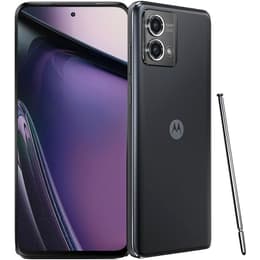
iPhone Air • Unlocked vs Motorola Moto G Stylus 5G (2023) • Unlocked

  • 1-year warranty
  • Free standard shipping
  • Free 30-day returns
iPhone Air • Unlocked
Starting at

Refurbished price:$762.00

Versus $1,099.00 new

See options

Differences at a glance

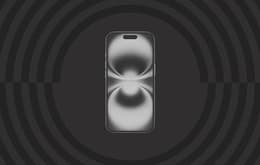
The iPhone Air (2025) and the Motorola Moto G Stylus 5G (2023) represent two entirely different approaches to smartphone engineering, balancing ultra-slim portability with utilitarian note-taking features. While the iPhone Air focuses on a high-end, lightweight form factor running Apple's iOS ecosystem, the Motorola device offers an integrated stylus and expandable storage running on the Android operating system. Users evaluating these two unlocked options will find distinct choices in daily handling, software environment, and practical utility.

Available Models

Color

Storage

Scores

Durability

When examining hardware longevity and software support, both devices handle updates and wear differently based on their respective release schedules and materials.

  • Software support lifecycle: The iPhone Air benefits from Apple's extended update timeline, providing long-term operating system upgrades, whereas the Motorola Moto G Stylus 5G operates on an established Android cycle with defined security patch windows.
  • Build resilience: The iPhone Air utilizes reinforced glass and a titanium frame designed for structural rigidity at minimal thickness, while the Motorola device employs a sturdy composite build with a dedicated physical silo for the integrated stylus tool.
  • Expected lifespan: Users can anticipate several years of reliable daily service from both models, though software feature longevity favors the newer Apple release.

Release Year

2025

2023

Last OS Compatibility

Yes

Yes

OS

iOS

Android

Foldable

No

No

Performance

System capabilities and resource management vary significantly between these two models, influencing how smoothly they handle multitasking and everyday applications.

  • App responsiveness and multitasking: Both devices switch between web browsing, messaging, and media streaming smoothly, though high-demand applications and advanced gaming run with greater thermal headrooms and faster load times on the Apple device.
  • Storage configurations: The iPhone Air offers high-capacity onboard storage options starting at larger baselines without expansion slots, whereas the Motorola model provides moderate internal storage paired with a microSD card slot for flexible media expansion.
  • Battery behavior: The Motorola device features a high-capacity battery that easily handles prolonged use, while the slimmer iPhone Air relies on efficient power management to sustain standard daily operation.

Screen quality

Display properties dictate the clarity, brightness, and visual comfort of each device during media consumption and outdoor navigation.

  • Panel technology and clarity: The iPhone Air features a vibrant OLED display with deep contrast levels and high pixel density, while the Motorola model uses a large LCD screen that delivers clear text and standard color reproduction.
  • Outdoor visibility: High peak brightness capabilities on the iPhone Air allow for clear readability under direct sunlight, whereas the Motorola display handles typical indoor and shaded outdoor lighting reliably.
  • Motion smoothness: The iPhone Air supports high refresh rate technology for fluid scrolling through documents and feeds, while the Motorola device offers a standard balanced refresh rate for daily tasks.

Resolution

2736x1260

1080 x 2400

Screen type

Super Retina XDR

IPS LCD

Audiovisual

Optics, video recording, and audio output shape the multimedia capabilities available to everyday creators and media consumers.

  • Camera versatility: The iPhone Air utilizes a high-resolution single main lens system supported by advanced computational processing for detailed everyday photos, while the Motorola device offers a dual-camera setup featuring standard and ultra-wide perspectives.
  • Video and low-light performance: The Apple device captures steady, detailed video clips and manages dim environments effectively, whereas the Motorola model provides casual shooting options suited for social media sharing.
  • Audio output: Media playback and call clarity are handled clearly by both devices, though speaker configurations and internal microphones differ in acoustic depth.

Main camera

48 megapixels

50 megapixels

Front camera

18 megapixels

16 megapixels

Miscellaneous

Physical dimensions, connectivity standards, and unique hardware extras define the day-to-day ergonomic experience of each smartphone.

  • Handling and ergonomics: The iPhone Air emphasizes an exceptionally thin and lightweight profile that rests easily in pockets, whereas the Motorola device offers a slightly heavier, textured build that accommodates its built-in stylus mechanism.
  • Connectivity and ports: Both models support modern 5G networks and fast Wi-Fi standards, utilizing a universal USB-C port for charging and data synchronization.
  • Biometric security: The iPhone Air relies on advanced facial recognition, while the Motorola device incorporates a responsive physical fingerprint sensor embedded within the side power button.

Weight

185 oz

202 oz

Screen size (inches)

6.5

6.8

Network

5G

5G

SIM card

eSIM

Physical SIM

Carrier compatibility

Unlocked

Unlocked

Connector

USB-C

USB-C

What the community thinks

User feedback highlights distinct preferences for each device across community forums. Owners of the iPhone Air frequently praise its remarkably thin titanium construction, high-resolution display, and smooth system responsiveness. Conversely, users of the Motorola Moto G Stylus 5G frequently emphasize the practical convenience of the built-in writing stylus, expandable storage capacity, and reliable daily battery endurance. Some critics note that the ultra-thin profile of the Apple device limits physical accessory options, while certain users find the Motorola model bulkier during extended one-handed use.

Users prioritizing an ultra-lightweight frame, advanced display tech, and long-term software support may prefer the iPhone Air, while users valuing tactile note-taking tools, expandable storage, and straightforward Android functionality will find the Motorola Moto G Stylus 5G well-suited to their needs. For those seeking a quality-assured refurbished option, exploring eco-friendly alternatives on Back Market can provide a sustainable choice that aligns with these functional priorities. Ultimately, the right selection depends on whether daily habits lean toward streamlined minimalist hardware or utilitarian productivity features.

Our recent comparisons