
Compare models

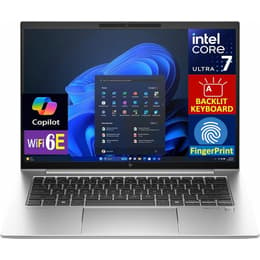
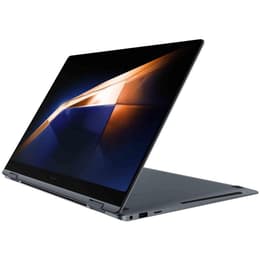
HP EliteBook 840 G11 14" vs Samsung Galaxy Book4 Pro 16"

  • 1-year warranty
  • Free standard shipping
  • Free 30-day returns
Samsung Galaxy Book4 Pro 16"
Starting at

Refurbished price:$1,560.00

Versus $1,899.99 new

See options

Differences at a glance

The HP EliteBook 840 G11 (2024) and the Samsung Galaxy Book4 Pro 16 (2024) are modern Windows 11 laptops built around current-generation Intel processors. While both devices feature current hardware optimized for productivity, the HP EliteBook 840 G11 prioritizes portable business-class durability in a compact 14-inch form factor, whereas the Samsung Galaxy Book4 Pro 16 centers on a spacious 16-inch high-resolution display designed for multimedia and extended workspace needs. These structural and physical differences shape distinct user experiences across both machines.

Available Models

Storage (GB)

Processor

Memory (GB)

Scores

Durability

Both models benefit from multi-year manufacturer support cycles and run on the Windows 11 operating system, ensuring consistent feature updates and security patches over their operational lifespans.

  • Release timeline: Both laptops debuted in 2024, placing them on similar generational footing for software longevity and component support.
  • Repairability and build maintenance: The HP EliteBook utilizes a modular design philosophy typical of enterprise machines, allowing for straightforward component servicing, while the Samsung Galaxy Book4 Pro relies on an integrated profile that prioritizes slim dimensions.
  • Expected practical lifespan: Solid-state storage and current-generation memory architectures across both units ensure they will handle everyday professional software demands for years to come.

Release Year

2023

2024

OS

Windows 11

Windows 11

Performance

Equipped with current-generation multi-core processors and fast solid-state storage options, both laptops manage everyday multitasking, office suites, and web browsing with reliable fluidity.

  • System responsiveness: Applications open quickly and background tasks run smoothly thanks to high-speed memory and fast internal storage speeds.
  • Multitasking capabilities: Configurations offering generous memory capacities allow users to switch between dozens of browser tabs and heavy productivity applications without noticeable slowdowns.
  • Thermal and power behavior: Both machines balance fan noise and thermal output effectively during daily tasks, though intensive workloads will cause internal fans to engage more frequently.

Graphic card

Integrated Graphics

Integrated Graphics

Screen quality

The visual experience represents one of the primary divergences between these two devices, contrasting standard business screen technology with high-end consumer panel design.

  • Display technology: The HP EliteBook 840 G11 features a traditional IPS anti-glare screen focused on readability, whereas the Samsung Galaxy Book4 Pro 16 employs a touch-enabled Dynamic AMOLED panel with deep black levels and wide color reproduction.
  • Resolution and workspace: The Samsung model offers a higher 3K resolution across its expansive 16-inch canvas, providing extra screen real estate compared to the standard 14-inch panel found on the HP device.
  • Outdoor and bright environment usage: Both displays maintain sufficient brightness levels for typical indoor office environments, though reflective coatings vary based on specific panel choices.

Resolution

1920 x 1200

2880 x 1800

Screen type

IPS

OLED

Audiovisual

Media consumption, recording tools, and communication hardware reflect the distinct design priorities of a mobile office tool versus a multimedia-centric workstation.

  • Built-in camera clarity: Integrated webcameras on both laptops support clear video conferencing, with software-based enhancements assisting in variable lighting conditions.
  • Audio output: The Samsung model features a multi-speaker configuration tuned for enriched media playback, while the HP laptop delivers clear, balanced vocal audio tailored for virtual meetings.
  • Microphone performance: Dual-array microphone setups on each device isolate speech effectively from background ambient room noise during calls.

Miscellaneous

Physical dimensions, port selections, and connectivity standards dictate how easily each machine integrates into varied mobile or desktop setups.

  • Port variety: Both laptops include versatile Thunderbolt connections and standard HDMI outputs, though the HP option retains traditional USB-A slots for legacy accessories.
  • Dimensions and weight: The HP model maintains a lighter, more compact footprint suitable for frequent travel, while the Samsung model trades away some portability for a larger viewing area.
  • Wireless connectivity: Modern Wi-Fi and Bluetooth standards come standard across both options to ensure stable peripheral connections and network speeds.

Weight

80 oz

43 oz

Screen size

14

16

What the community thinks

User feedback from online communities highlights distinct preferences for each laptop. Owners of the HP EliteBook 840 G11 frequently praise its sturdy physical construction, reliable keyboard layout, and travel-friendly dimensions. Common discussions note that its integrated graphics are best kept to standard office workloads rather than heavy rendering. Conversely, users of the Samsung Galaxy Book4 Pro 16 highlight the striking visual quality of its large screen and the convenience of its slim profile given the screen size, though some note that the thin chassis can warm up under sustained heavy loads. Users prioritizing maximum portability and enterprise-grade physical resilience may prefer the HP model, while users prioritizing expansive screen space for media editing or multitasking will lean toward the Samsung alternative. Selecting a quality-assured refurbished option through platforms like Back Market provides an eco-friendly way to acquire either device while supporting sustainable technology consumption. Evaluating personal workspace requirements remains the most effective method for determining the right fit.

Our recent comparisons