
Compare models
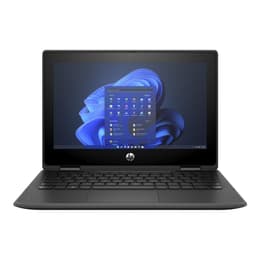
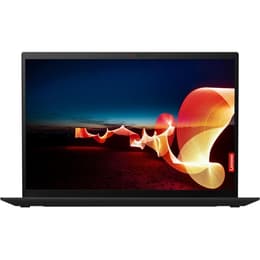
HP Pro x360 Fortis G10 11" vs Lenovo ThinkPad X1 Carbon G11 14"
- 1-year warranty
- Free standard shipping
- Free 30-day returns
Differences at a glance
The HP Pro x360 Fortis G10 11-inch (2023) and the Lenovo ThinkPad X1 Carbon Gen 11 14-inch (2023) represent two distinct approaches to portable computing, catering to different workflow requirements. While the HP model focuses on a compact, versatile convertible form factor built for everyday adaptability, the Lenovo laptop prioritizes a lightweight yet large screen productivity experience running on standard enterprise software environments.
These devices differ significantly in physical size, screen real estate, and hardware capabilities, making them suited for distinct professional and educational use cases without relying on promotional framing.
Available Models
Storage
Processor
Memory
Scores
Durability
When examining longevity and durability, both devices offer robust build qualities tailored to distinct environments, utilizing standard operating systems with long-term security support.
- Software support and updates: Both laptops receive continuous operating system patches and security updates through their respective vendor channels, ensuring stable long-term software lifespans.
- Build endurance and materials: The HP model features a ruggedized chassis designed to withstand frequent handling, whereas the Lenovo model utilizes carbon fiber and magnesium alloys to balance lightweight portability with structural rigidity.
- Repairability and component lifespan: Both units offer modular internal components for battery and keyboard replacements, supporting extended practical usage years through quality-assured refurbished options that reduce environmental waste.
Release Year
2022
2023
OS
Windows 11
Windows 11
Performance
Performance capabilities vary notably between the two models based on internal hardware tiers, thermal design, and memory allocations for day-to-day multitasking.
- Multitasking and application speed: The Lenovo device handles demanding professional software and heavy browser tab management smoothly, while the HP model is optimized for lighter productivity tasks, web browsing, and document editing.
- Storage and memory configurations: The Lenovo provides higher maximum random access memory and solid-state storage capacity options, whereas the HP focuses on moderate configurations suited for standard classroom or mobile administrative tasks.
- Battery behavior and power management: The Lenovo model sustains a full workday of mixed office tasks on a single charge, while the smaller HP chassis accommodates a battery profile geared toward shorter mobile sessions between charges.
Graphic card
Integrated Graphics
Integrated Graphics
Screen quality
Display characteristics differ substantially in size, resolution, and panel technology, directly influencing viewing comfort and workspace area.
- Panel technology and clarity: The Lenovo model offers larger high-resolution display options with sharp text rendering and wide color gamuts, compared to the compact touch-enabled screen of the HP variant.
- Brightness and outdoor visibility: Both laptops feature anti-glare panel treatments, though higher-tier configurations on the Lenovo provide increased maximum luminance for bright working environments.
- Form factor versatility: The HP display rotates fully into tablet mode to support stylus input and versatile viewing angles, whereas the Lenovo maintains a traditional clamshell orientation optimized for lap and desk typing.
Resolution
1366 x 768
1920 x 1200
Screen type
LCD
IPS
Audiovisual
Media consumption, audio output, and remote communication capabilities reflect the distinct intended environments of each laptop.
- Webcam and video calling: Both devices include integrated webcameras with digital noise reduction for virtual meetings, with the Lenovo offering higher resolution sensors in select configurations.
- Audio output and speakers: The Lenovo features a multi-speaker array directed toward the user for clearer speech clarity during calls, while the HP delivers standard stereo output suitable for casual media playback.
- Microphone arrays: Both models integrate dual-microphone systems designed to filter background ambient noise during remote collaboration sessions.
Miscellaneous
Physical dimensions, port selections, and daily handling characteristics establish distinct user experiences for mobile workflows.
- Port selection and connectivity: The Lenovo includes a wide array of high-speed USB-C, Thunderbolt, and traditional USB ports, while the HP balances a streamlined selection including standard USB and video output connectors.
- Dimensions and weight: The HP features a smaller footprint and lower weight centered around an 11-inch screen, whereas the Lenovo provides a larger 14-inch workspace while maintaining a thin profile.
- Security features: Both models incorporate enterprise-grade security options such as Trusted Platform Module chips and optional biometric authentication methods for secure login.
Weight
4 oz
64 oz
Screen size
11
14
What the community thinks
Users evaluating these two laptops often note that device choice depends heavily on workspace preferences and application demands. Owners of the HP Pro x360 Fortis G10 frequently praise its compact touch screen and adaptable hinge design, though some report that the smaller keyboard layout requires an adjustment period. Conversely, users of the Lenovo ThinkPad X1 Carbon Gen 11 frequently highlight the comfortable typing experience and expansive display, while noting that the larger footprint requires a bit more space in transit.
Users prioritizing maximum portability, touch input, and a convertible shape may prefer the HP model, while users prioritizing extensive screen space, robust multitasking headroom, and traditional productivity features will likely lean toward the Lenovo alternative. Choosing a sustainable, quality-assured refurbished device from Back Market allows consumers to make an environmentally conscious choice that aligns with their specific technical needs.