
Compare models

Samsung Galaxy Book4 Pro 14" vs Samsung Galaxy Book4 Pro 16"

  • 1-year warranty
  • Free standard shipping
  • Free 30-day returns
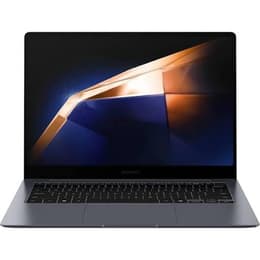
Samsung Galaxy Book4 Pro 14"
Starting at

Refurbished price:$897.00

Versus $3,500.00 new

See options
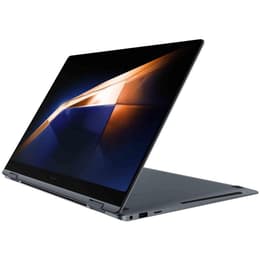
Samsung Galaxy Book4 Pro 16"
Starting at

Refurbished price:$1,560.00

Versus $1,899.99 new

See options

Differences at a glance

The Samsung Galaxy Book4 Pro 14" (2024) and the Samsung Galaxy Book4 Pro 16" (2024) represent two size variations of the same flagship portable computer line. While they share core internal capabilities, build materials, and operating system software, they differ primarily in their physical dimensions, screen workspace, and overall portability. Choosing between these two models comes down to balancing screen real estate against carrying weight for daily travel.

Available Models

Storage (GB)

Processor

Memory (GB)

Scores

Durability

Both models share identical release timelines and core hardware architectures, offering comparable long-term reliability and modern software support through current operating systems.

  • Software longevity: Both devices receive regular system updates and security patches simultaneously, ensuring a similar lifespan for routine professional and personal tasks.
  • Repairability and build: Solid aluminum chassis designs provide durable daily protection, though hardware repairs follow standard modern notebook procedures where components are integrated tightly into the frame.
  • Expected practical lifespan: Efficient power management and current-generation architecture allow both laptops to remain dependable over several years of regular usage.

Release Year

2024

2024

OS

Windows 11

Windows 11

Performance

Internal hardware configurations remain closely matched across both sizes, delivering swift execution for demanding workloads, heavy multitasking, and media consumption.

  • Multitasking and storage: Generous memory configurations and solid-state storage options handle multiple open browser tabs, large documents, and productivity applications smoothly without system slowdowns.
  • Battery behavior: The 14" model relies on a smaller physical footprint and battery capacity, whereas the 16" model houses a larger battery to support its expanded screen real estate during extended mobile work sessions.
  • System responsiveness: Everyday app loading, file transfers, and demanding computational tasks execute efficiently thanks to modern processing hardware and optimized thermal cooling across both chassis sizes.

Graphic card

Integrated

Integrated Graphics

Screen quality

Both laptops feature vibrant AMOLED display panels with touch capabilities, deep contrast levels, and anti-reflective coatings, though they differ significantly in physical workspace size.

  • Display technology: Both models utilize high-resolution organic light-emitting diode panels that deliver crisp text clarity, deep blacks, and vivid colors for detailed viewing tasks.
  • Workspace and dimensions: The 14" option provides a compact viewing area suited for mobile productivity, while the 16" variant offers a larger canvas that accommodates split-screen workflows and numerical data comfortably.
  • Outdoor usability: High peak brightness capabilities and anti-reflective screen treatments ensure content remains clearly visible when working near bright windows or in outdoor environments.

Resolution

2880 x 1800

2880 x 1800

Screen type

OLED

OLED

Audiovisual

Media consumption and communication features are well-balanced across both models, providing clear audio-visual performance for remote collaboration and daily entertainment.

  • Webcam and video calls: Integrated high-definition webcams combined with digital clarity enhancements ensure sharp video quality during virtual meetings and online classes.
  • Audio output: Quad speaker setups tuned with established audio processing deliver balanced sound output with clear vocal tracks for video calls and casual media streaming.
  • Microphone clarity: Studio-quality multi-microphone arrays isolate background environmental sounds effectively, ensuring voices are transmitted clearly during online communication.

Miscellaneous

Physical dimensions, weight distribution, and input layouts represent the primary practical differentiators between these two portable computer configurations.

  • Portability and handling: The 14" model features a lighter, more compact profile that slips easily into smaller bags, while the 16" version incorporates a full numeric keypad alongside a broader footprint.
  • Connectivity ports: Both versions offer versatile connection options including high-speed USB-C ports, HDMI outputs, and traditional USB slots alongside modern wireless networking standards.
  • Security sensors: Integrated biometric fingerprint readers built into the power buttons provide fast, secure login access across both chassis sizes.

Weight

43 oz

43 oz

Screen size

14

16

What the community thinks

User feedback and community discussions indicate that satisfaction with these devices depends heavily on physical preferences rather than internal capability differences. Owners of the 14" model frequently praise its lightweight design and easy portability for travel, while noting that the smaller screen limits extensive multi-window workflows. Conversely, owners of the 16" variant appreciate the expansive display workspace and the inclusion of a dedicated numeric keypad, though they note the heavier chassis takes up more space in a backpack. Users prioritizing maximum portability and frequent travel will find the 14" model well-suited to their routine, while users prioritizing screen workspace and a dedicated number pad may prefer the 16" alternative. Those aiming to make a sustainable choice can explore quality-assured refurbished options for both models through Back Market, offering an eco-friendly alternative to purchasing newly manufactured hardware without compromising on performance or reliability.

Our recent comparisons