
Compare models

Microsoft Surface Laptop 5 15" vs Samsung Galaxy Book4 Pro 16"

  • 1-year warranty
  • Free standard shipping
  • Free 30-day returns
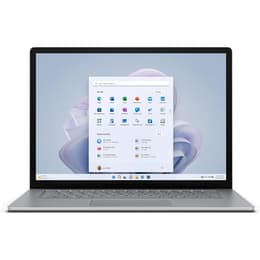
Microsoft Surface Laptop 5 15"
Starting at

Refurbished price:$592.00

Versus $1,524.00 new

See options
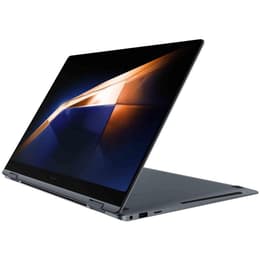
Samsung Galaxy Book4 Pro 16"
Starting at

Refurbished price:$1,560.00

Versus $1,899.99 new

See options

Differences at a glance

The Microsoft Surface Laptop 5 15" (2022) and the Samsung Galaxy Book4 Pro 16" (2024) are large-screen portable computers designed for productivity, creative work, and everyday multitasking. While both devices offer generous screen space for managing multiple windows and handling documents, they differ in their release timelines, operating ecosystems, and overall hardware generation. The Microsoft model runs on Windows 11 with an emphasis on a streamlined, signature laptop experience, whereas the Samsung alternative integrates tightly into broader device ecosystems while featuring updated internal processing capabilities and a larger display format.

Available Models

Storage (GB)

Processor

Memory (GB)

Scores

Durability

When examining hardware longevity and support cycles, both devices are built to handle years of regular office work, academic tasks, and media consumption, though their launch years influence their future-proofing timelines.

  • Software support cycles: Both machines receive regular updates through the Windows 11 operating system, but the newer release year of the Samsung device provides a longer expected window for official hardware and firmware updates from the manufacturer.
  • Repairability and build endurance: Both laptops feature solid metal chassis designed to withstand regular transit, though professional repair options for internal components require specialized service centers for both brands.
  • Expected practical lifespan: Users can anticipate several years of reliable performance from either model, with the newer hardware platform offering additional headroom for upcoming system requirements.

Release Year

2022

2024

OS

Windows 11

Windows 11

Performance

System performance varies due to the different generations of internal hardware housed within each chassis, influencing how smoothly demanding applications and heavy multitasking environments operate.

  • Processing speed and responsiveness: Both laptops handle web browsing, document editing, and video streaming with ease, though the newer processor generation in the Samsung model provides quicker compilation times for demanding tasks and heavier software suites.
  • Multitasking and memory handling: Generous memory configurations on both devices allow users to switch rapidly between dozens of browser tabs, productivity programs, and background utilities without notable slowdowns.
  • Battery behavior and thermal management: Both machines provide enough battery capacity for a standard workday of mixed productivity use, though power efficiency profiles differ under heavy processing loads.

Graphic card

Integrated Graphics

Integrated Graphics

Screen quality

Display characteristics represent a major differentiator between these two portable computers, affecting visual clarity, color accuracy, and overall viewing comfort during extended use.

  • Display technology: The Samsung model features an advanced organic light-emitting diode panel delivering deep black levels and high contrast, while the Microsoft device utilizes a traditional liquid crystal display with crisp text rendering and accurate color calibration.
  • Resolution and screen estate: The Samsung Galaxy Book4 Pro 16" offers a slightly larger diagonal workspace with a tall aspect ratio, whereas the Surface Laptop 5 15" provides a spacious traditional workspace ideal for side-by-side window organization.
  • Outdoor usability and refresh rates: Both screens reach sufficient brightness levels for indoor environments and shaded outdoor areas, incorporating glare-reduction treatments to minimize reflections during mobile work.

Resolution

2496 x 1664

2880 x 1800

Screen type

IPS

OLED

Audiovisual

Multimedia capabilities, including audio-visual communication tools and integrated speaker systems, impact day-to-day collaboration and entertainment experiences.

  • Video conferencing equipment: Both laptops feature integrated webcams and multi-microphone arrays designed to capture clear video and voice audio during remote meetings and online classes.
  • Internal speaker output: Built-in audio drivers deliver balanced sound reproduction suitable for voice calls, casual video viewing, and background music playback during work sessions.
  • Media consumption experience: Combining the high-resolution displays with capable stereo speakers, both machines offer an immersive environment for watching movies and listening to audio media.

Miscellaneous

Physical design choices, port selections, and connectivity standards dictate how easily each laptop integrates into existing peripheral setups and mobile routines.

  • Port selection: The Samsung model includes a diverse array of modern connections including traditional video outputs and high-speed universal ports, while the Microsoft device maintains a more minimalist port layout centered around versatility and charging convenience.
  • Mobility and weight: Despite their large screen sizes, both devices maintain relatively slim profiles that fit into standard backpacks, making them suitable choices for students and traveling professionals seeking a quality-assured refurbished option as an eco-friendly alternative.
  • Security and authentication: Both laptops incorporate biometric login features for secure, password-free system access and quick user switching throughout the day.

Weight

64 oz

43 oz

Screen size

15

16

What the community thinks

User feedback from online communities highlights distinct preferences for each of these large-screen portable computers. Owners of the Microsoft Surface Laptop 5 15" frequently praise its clean aesthetic, comfortable keyboard layout, and reliable trackpad performance, making it a favorite for writing and administrative tasks. Conversely, users of the Samsung Galaxy Book4 Pro 16" often commend its striking display quality, lightweight chassis relative to its screen size, and seamless integration with other modern mobile devices. Common criticisms for both models generally center on limited upgradeability after purchase, which is typical for modern slim laptop designs.

Users prioritizing a traditional, distraction-free typing environment and a clean operating interface may find the Microsoft model well-suited to their daily workflow. On the other hand, individuals who value high-contrast display panels for visual media work or desire a slightly larger workspace within a slim frame will likely lean toward the Samsung alternative. Reviewing these practical differences helps ensure that your final choice aligns closely with your specific productivity and mobility requirements.


Our recent comparisons