
Compare models

Galaxy Tab S9 Ultra (14.6", 2023) vs iPad Pro (2025, M5 series)

  • 1-year warranty
  • Free standard shipping
  • Free 30-day returns
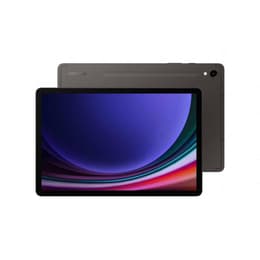
Galaxy Tab S9 Ultra (14.6", 2023)
Starting at

Refurbished price:$858.00

Versus $1,200.00 new

See options
iPad Pro (2025, M5 series)
Starting at

Refurbished price:$940.98

Versus $1,399.00 new

See options

Differences at a glance

The Samsung Galaxy Tab S9 Ultra (2023) and the iPad Pro (2025, M5 series) represent two distinct approaches to large-format mobile computing. While the Galaxy Tab S9 Ultra runs on Android and emphasizes expansive multi-window workspace flexibility, the iPad Pro operates on iPadOS and centers around high-efficiency processing power in an ultra-slim profile. Both devices serve users looking for expansive, premium displays, though they differ significantly in software environments and physical ergonomics.

Available Models

Color

Storage

Scores

Durability

When evaluating longevity, both tablets offer robust build quality, though their release years and software update commitments shape different practical lifespans.

  • Release timeline and software support: The Galaxy Tab S9 Ultra arrived in 2023 with a multi-year commitment for security and platform updates, whereas the iPad Pro launched in late 2025 with Apple's extended lifecycle support schedule.
  • Repairability and durability: Both flagships feature sleek aluminum frames and durable glass protection, though opting for a quality-assured refurbished option provides a sustainable choice that extends device usability and reduces electronic waste.
  • Practical lifespan: Both models maintain high processing headroom capable of supporting demanding daily routines for years, though the newer iPad model benefits from an extended software window.

Release Year

2023

2025

Last OS Compatibility

Yes

Yes

OS

Android

iPadOS

Performance

Underneath their screens, these tablets handle intensive multitasking, media editing, and gaming through very different hardware architectures.

  • Multitasking and app handling: Both devices switch effortlessly between heavy applications, though Samsung leans into free-form window multitasking while Apple prioritizes streamlined full-screen workflows and stage manager organization.
  • Storage and memory configurations: Generous RAM options on both models ensure smooth execution of large files, video rendering projects, and graphic design software.
  • Battery behavior: Large physical footprints allow both tablets to house substantial batteries that reliably support a full day of mixed productivity and entertainment use before requiring a recharge.

Screen quality

Display performance is a primary focal point for both massive tablets, utilizing advanced panel technologies for striking visual clarity.

  • Display technology: The Galaxy Tab S9 Ultra features an expansive 14.6-inch Dynamic AMOLED panel known for deep contrast and rich colors, while the iPad Pro utilizes advanced tandem OLED architecture for high peak brightness and precise illumination.
  • Refresh rate and smoothness: Both screens support smooth 120Hz refresh rates, ensuring fluid scrolling, responsive stylus input, and seamless animation transitions.
  • Outdoor visibility: High maximum brightness levels on both devices allow for comfortable outdoor viewing and working under direct ambient light.

Resolution

1848 x 2960

2420 x 1668

Screen type

Dynamic AMOLED 2X

Ultra Retina XDR display

Audiovisual

While tablets are rarely primary photography tools, both models include capable camera arrays and robust multimedia configurations.

  • Camera systems: The Galaxy Tab S9 Ultra includes dual rear lenses alongside wide front-facing cameras, whereas the iPad Pro opts for a streamlined single rear sensor paired with an ultra-wide landscape selfie camera.
  • Video calls and recording: Both front camera setups excel at high-definition video conferencing, intelligently tracking movement to keep users centered during virtual meetings.
  • Audio output: Quad-speaker arrays on both tablets deliver immersive sound quality, making them well-suited for watching movies or listening to music without external speakers.

Miscellaneous

Physical design and peripheral support dictate how these large tablets integrate into mobile workflows and travel setups.

  • Portability and dimensions: The Galaxy Tab S9 Ultra offers an exceptionally wide workspace in a very thin chassis, whereas the iPad Pro balances a smaller physical footprint with low weight for easier handling.
  • Connectivity standards: Both options support swift wireless standards alongside optional cellular connectivity for reliable on-the-go internet access.
  • Input accessories: Each ecosystem supports dedicated keyboard covers and precision styluses—the S Pen comes included with the Samsung device, while Apple's Pencil is available separately.

Weight

15 oz

446 oz

Screen size (inches)

14.6

11

Network

Wi-Fi

Wi-Fi + 5G

Carrier compatibility

Without SIM Port

Without SIM Port

What the community thinks

User discussions across community forums highlight distinct preferences between these two large-format devices. Samsung owners frequently praise the expansive screen size for split-screen multitasking and the inclusion of the stylus out of the box, though some note that the massive 14.6-inch form factor can feel unwieldy in cramped spaces. Conversely, Apple users highlight the exceptional screen brightness, powerful processing capabilities, and sleek profile of the iPad Pro, while occasionally noting limitations within the file management system.

Users prioritizing a vast canvas for multi-app side-by-side work and an included stylus will find the Galaxy Tab S9 Ultra well-suited to their needs. Meanwhile, users prioritizing maximum processing headroom, high peak brightness, and a streamlined software ecosystem may lean toward the iPad Pro. Choosing a quality-assured refurbished option provides a sustainable choice for acquiring either flagship tablet while minimizing environmental impact.

Our recent comparisons