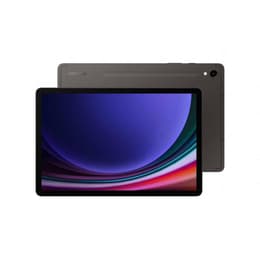
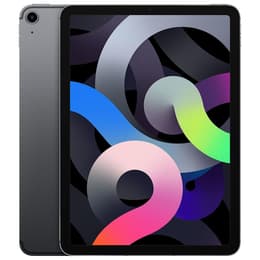

Galaxy Tab S9 Ultra (14.6", 2023) vs iPad Air 4 (2020, A14 series)

Galaxy Tab S9 Ultra (14.6", 2023)
Starting at

Refurbished price:$582.05

Versus $1,200.00 new

See options
iPad Air 4 (2020, A14 series)
Starting at

Refurbished price:$249.00

Versus $599.00 new

See options

Ratings

The Samsung Galaxy Tab S9 Ultra, released in August 2023, and the Apple iPad Air (4th Generation), launched in October 2020, represent distinct approaches to the tablet experience. While both are designed for productivity and entertainment, they differ significantly in screen size, operating system, and overall design philosophy. The Galaxy Tab S9 Ultra runs on Android, offering a large display and a focus on multitasking, whereas the iPad Air operates on iPadOS, providing a more compact form factor and a streamlined user experience.

Scores

Durability

When considering the longevity of these devices, their respective release dates and software support cycles are key factors. The Galaxy Tab S9 Ultra, being a more recent release, generally benefits from a longer period of software updates compared to the iPad Air (2020).

  • Release Timeline: The Galaxy Tab S9 Ultra was released in August 2023, making it a newer device. The iPad Air (2020) was released in October 2020.
  • OS Support Duration: Apple typically provides software updates for its iPads for many years, often exceeding five years from release. Android tablets, while improving, can have more varied support timelines depending on the manufacturer. The iPad Air (2020) originally shipped with iPadOS 14 and is upgradable to iPadOS 18.1. The Galaxy Tab S9 Ultra launched with Android 13.
  • Practical Lifespan: Both tablets are built with durable materials, with the Galaxy Tab S9 Ultra featuring an Armor Aluminum frame and an IP68 rating for dust and water resistance. The iPad Air (2020) has an aluminum back. The practical lifespan for either device can be extended through careful handling and the availability of quality-assured refurbished options, offering a sustainable choice for users.

Release Year

2023

2020

Last OS Compatibility

Yes

Yes

OS

Android

iPadOS

Performance

The performance of a tablet is crucial for handling demanding applications, multitasking, and gaming. Both devices offer capable internal components, but their approaches to processing power and memory management differ.

  • Processing Capabilities: The Galaxy Tab S9 Ultra features a current-generation processor designed for high performance, allowing it to handle intensive applications and complex tasks smoothly. The iPad Air (2020) is equipped with a powerful chip that provides a significant boost in CPU and graphics performance, making it well-suited for editing 4K videos, creating art, and playing immersive games.
  • Multitasking and Responsiveness: The Galaxy Tab S9 Ultra, with its larger display and higher RAM configurations (up to 16GB), is designed to excel at running multiple applications simultaneously without slowdowns. The iPad Air (2020) offers smooth and responsive performance for everyday use, including video chats, action games, and art programs, though its RAM is typically lower (4GB).
  • Battery Behavior: The Galaxy Tab S9 Ultra has a large battery capacity (11,200 mAh), contributing to lengthy usage times. The iPad Air (2020) provides approximately 10 hours of battery life during typical use.

Memory (GB)

12 GB

4 GB

Screen quality

The display is a primary interaction point for any tablet, and these two models offer distinct visual experiences based on their technology and size.

  • Display Technology and Size: The Galaxy Tab S9 Ultra features a large 14.6-inch Dynamic AMOLED 2X display, providing deep blacks, vibrant colors, and a high refresh rate of up to 120Hz. The iPad Air (2020) has a 10.9-inch Liquid Retina IPS LCD display with True Tone technology, offering accurate colors and a resolution of 2360 x 1640 pixels.
  • Clarity and Brightness: The Galaxy Tab S9 Ultra's display has a resolution of 2960 x 1848 pixels, resulting in a sharp image. It can reach a peak brightness of 930 nits, which aids visibility indoors, though outdoor use in direct sunlight can be challenging due to its reflective surface. The iPad Air (2020) offers 500 nits of brightness.
  • Refresh Rate and Viewing Experience: The 120Hz refresh rate on the Galaxy Tab S9 Ultra contributes to smoother scrolling and more fluid animations, enhancing the overall visual experience. The iPad Air (2020) has a standard refresh rate. The larger screen of the Tab S9 Ultra provides an expansive canvas for media consumption and productivity, while the iPad Air's size offers a more portable and manageable viewing experience.

Resolution

1848 x 2960

2360 x 1640

Screen type

Dynamic AMOLED 2X

Liquid Retina display

Pixel density

240ppp

264ppp

Audiovisual

While tablets are not typically primary photography devices, their camera systems are important for video calls, document scanning, and occasional photo capture. Both tablets offer capable cameras for their respective ecosystems.

  • Rear Camera Capabilities: The Galaxy Tab S9 Ultra includes a dual rear camera setup with a 13MP main sensor and an 8MP ultrawide sensor, capable of producing detailed photos in good lighting and supporting 4K video recording. The iPad Air (2020) features a 12MP wide rear camera that can capture high-resolution photos and 4K video.
  • Front Camera Performance: The Galaxy Tab S9 Ultra stands out with dual 12MP front-facing cameras, including an ultrawide lens, which is beneficial for video conferencing and group selfies. The iPad Air (2020) has a 7MP front-facing FaceTime HD camera, suitable for video calls and clear selfies.
  • Video Recording and Audio: Both tablets support 4K video recording with their main cameras. The Galaxy Tab S9 Ultra's main camera supports electronic stabilization, while the ultrawide is limited to 1080p video. The iPad Air (2020) also offers cinematic video stabilization. For audio, the iPad Air (2020) features stereo speakers in landscape mode for an enhanced media experience. The Galaxy Tab S9 Ultra also offers excellent speakers.

Miscellaneous

Beyond core performance and display, several practical features contribute to the overall user experience and device utility.

  • Connectivity and Ports: Both tablets feature USB-C ports for charging and data transfer. The Galaxy Tab S9 Ultra supports Wi-Fi 6E and Bluetooth 5.3, with optional 5G connectivity. The iPad Air (2020) supports Wi-Fi 6 and Bluetooth 5.0, also with optional cellular models.
  • Security and Accessories: The Galaxy Tab S9 Ultra includes an in-screen fingerprint sensor and facial recognition for security. The iPad Air (2020) integrates Touch ID into its top button. The Galaxy Tab S9 Ultra comes with an S Pen stylus included. The iPad Air (2020) supports the Apple Pencil (2nd generation), which is sold separately.
  • Dimensions and Build: The Galaxy Tab S9 Ultra is a larger and heavier device, measuring 326.4 x 208.6 x 5.5 mm and weighing around 732 grams (Wi-Fi model). The iPad Air (2020) is more compact at 247.6 x 178.5 x 6.1 mm and weighs approximately 460 grams (Wi-Fi model).

Weight

15 oz

16 oz

Screen size (inches)

14.6

10.9

Network

Wi-Fi

Wi-Fi

Carrier compatibility

Without SIM Port

Without SIM Port

Choosing between the Galaxy Tab S9 Ultra and the iPad Air (2020) involves weighing priorities related to screen size, operating system preference, and specific use cases. Users often praise the Galaxy Tab S9 Ultra for its expansive and vibrant display, which is ideal for media consumption, digital art, and productivity tasks requiring significant screen real estate. Its included S Pen and robust multitasking capabilities are frequently highlighted as strong points, making it a compelling option for those who want a laptop-like experience from their tablet. Some users, however, find its large size less portable for casual, on-the-go use.

The iPad Air (2020), on the other hand, is often lauded for its balanced size, premium build, and the consistent, intuitive experience of iPadOS. Users appreciate its strong performance for a wide range of applications, from creative work to everyday browsing, and its integration within the Apple ecosystem. Its more compact form factor makes it a preferred choice for users seeking portability and ease of handling. Criticisms sometimes point to its smaller screen compared to larger Android tablets and the separate purchase required for accessories like the Apple Pencil.

Users prioritizing a large, immersive display and advanced multitasking features within the Android ecosystem may find the Galaxy Tab S9 Ultra well-suited to their needs. Conversely, users who value a more compact design, a streamlined operating system, and a strong ecosystem of apps and accessories may lean toward the iPad Air (2020). Both devices offer a quality experience, and considering a quality-assured refurbished option for either model can provide an eco-friendly alternative for those looking to make an informed and sustainable choice.


See all articles

Our recent comparisons