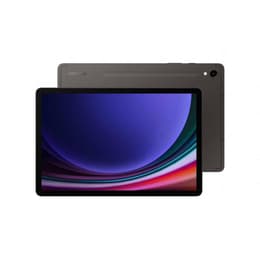

Galaxy Tab A7 Lite (8.7", 2021) vs Galaxy Tab S9 Ultra (14.6", 2023)

Galaxy Tab A7 Lite (8.7", 2021)
Starting at

Refurbished price:$71.00

Versus $219.00 new

See options
Galaxy Tab S9 Ultra (14.6", 2023)
Starting at

Refurbished price:$580.05

Versus $1,200.00 new

See options

Ratings

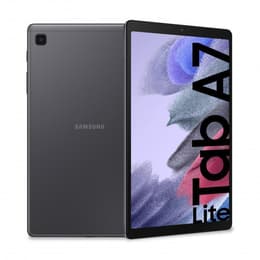
The Samsung Galaxy Tab A7 Lite, released in June 2021, and the Samsung Galaxy Tab S9 Ultra, launched in August 2023, represent distinct segments within Samsung's tablet lineup. While both devices operate on the Android platform, they cater to different user needs through significant differences in their design, display technology, and overall performance capabilities. The Tab A7 Lite is designed for portability and basic media consumption, whereas the Tab S9 Ultra is a large-format device built for demanding productivity and immersive entertainment.

Scores

Durability

The expected practical lifespan of a tablet is influenced by its release timeline, software support, and physical durability. These two tablets offer different trajectories in these areas.

  • Release Timeline and Age: The Galaxy Tab A7 Lite was released in June 2021, making it an older device compared to the Galaxy Tab S9 Ultra, which launched in August 2023. This age difference directly impacts their remaining software support and hardware relevance.
  • OS Support Duration: The Galaxy Tab A7 Lite launched with Android 11 and has received major OS updates up to Android 14 (One UI 6.1), but it is no longer eligible for further major Android OS upgrades. In contrast, the Galaxy Tab S9 Ultra, which debuted with Android 13, is expected to receive four major Android OS updates, extending its support up to Android 17, along with five years of security updates. This means the Tab S9 Ultra offers a significantly longer period of official software support.
  • Physical Durability: The Galaxy Tab A7 Lite features a metal body, contributing to a solid build quality. The Galaxy Tab S9 Ultra, however, is constructed with Armor Aluminum and boasts an IP68 rating for water and dust resistance, indicating a higher level of protection against environmental elements. Repairability for both devices involves challenges, with adhesive often used for components, though repair guides are available for common issues like screen and battery replacements.

Release Year

2021

2023

Compatible with latest Update

Yes

Yes

OS

Android

Android

Performance

The performance capabilities of these two tablets vary considerably, impacting their suitability for different tasks and user demands.

  • Processor Capabilities: The Galaxy Tab A7 Lite is equipped with an octa-core processor designed for everyday tasks such as web browsing, email, and light media consumption. Users report that while it handles basic functions, it may struggle with more demanding applications or heavy multitasking, sometimes experiencing lag. The Galaxy Tab S9 Ultra, powered by a high-end octa-core processor, delivers robust performance for intensive applications, high-fidelity gaming, and professional creative work. It is designed to load apps quickly and maintain smooth operation even with many applications running simultaneously.
  • Memory and Storage: The Tab A7 Lite typically comes with 3GB or 4GB of RAM and 32GB or 64GB of internal storage, which is suitable for essential apps and files, with microSD expansion available up to 1TB. The Tab S9 Ultra offers significantly more memory, with options ranging from 8GB to 16GB of RAM, enabling seamless multitasking and handling of large datasets. Its storage options start from 256GB and go up to 1TB, also expandable via microSD, providing ample space for extensive media libraries and large applications.
  • Battery Behavior: The Galaxy Tab A7 Lite features a 5100 mAh battery, providing sufficient power for moderate daily use. The Galaxy Tab S9 Ultra houses a larger 11200 mAh battery, which is necessary to power its expansive, high-resolution display and powerful components, offering extended usage for demanding tasks.

Memory (GB)

3 GB

12 GB

Processor

Mediatek MT8768T Helio P22T

Qualcomm SM8550-AC Snapdragon 8 Gen 2

Screen quality

The visual experience offered by these two tablets is a primary differentiator, stemming from their display technology, size, and resolution.

  • Display Technology and Clarity: The Galaxy Tab A7 Lite features an 8.7-inch TFT LCD with a resolution of 1340 x 800 pixels. This display is functional for basic viewing and reading, though some users note the lower resolution is noticeable. The Galaxy Tab S9 Ultra boasts a 14.6-inch Dynamic AMOLED 2X display with a high resolution of 2960 x 1848 pixels. This advanced panel delivers deep blacks, vibrant colors, and exceptional clarity, making it well-suited for detailed work and immersive media consumption.
  • Brightness and Refresh Rate: The Tab S9 Ultra's display offers higher peak brightness, improving visibility in various lighting conditions, including outdoors, though reflections can still be a factor in direct sunlight. It also features a 120Hz refresh rate, contributing to smoother scrolling and more fluid animations. The Tab A7 Lite has a standard refresh rate and lower brightness, which is adequate for indoor use but may be less comfortable in bright environments.
  • Screen Size and Viewing Experience: The compact 8.7-inch screen of the Tab A7 Lite makes it highly portable and easy to hold with one hand, ideal for casual browsing and on-the-go content. The Tab S9 Ultra's expansive 14.6-inch display provides a vast canvas that enhances multitasking, creative applications, and cinematic viewing experiences, akin to a small laptop screen.

Resolution

800 x 1340

1848 x 2960

Screen type

TFT LCD

Dynamic AMOLED 2X

Pixel density

180ppp

240ppp

Audiovisual

The camera systems and audio capabilities of these tablets are tailored to their intended use cases, offering different levels of functionality.

  • Camera System Capabilities: The Galaxy Tab A7 Lite includes an 8-megapixel rear camera and a 2-megapixel front camera. These cameras are suitable for casual photography, scanning documents, and basic video calls. The Galaxy Tab S9 Ultra features a more advanced camera setup, with a 13-megapixel wide and an 8-megapixel ultrawide camera on the rear, and dual 12-megapixel wide and ultrawide cameras on the front. This configuration supports higher-quality photos, more detailed video recording, and enhanced clarity for video conferencing.
  • Photography and Video Performance: The Tab S9 Ultra's cameras offer improved performance in various lighting conditions and provide more versatility with its ultrawide lenses, making it better for capturing detailed images and broader scenes. Its video recording capabilities are also more robust, supporting higher resolutions and frame rates. The Tab A7 Lite's cameras are functional for everyday needs but do not offer the same level of detail or flexibility.
  • Audio Output: The Galaxy Tab A7 Lite is equipped with dual speakers that support Dolby Atmos, providing a decent audio experience for media consumption. The Galaxy Tab S9 Ultra elevates the audio experience with four AKG-tuned speakers and Dolby Atmos support, delivering a more immersive and richer sound profile, which is particularly beneficial for entertainment and video calls.

Miscellaneous

Beyond core specifications, several practical elements contribute to the overall user experience and differentiate these two Samsung tablets.

  • Connectivity Options: The Galaxy Tab A7 Lite supports Wi-Fi and Bluetooth 5.0, with an optional LTE variant for mobile data connectivity. The Galaxy Tab S9 Ultra offers more advanced connectivity, including Wi-Fi 6E and Bluetooth 5.3, along with optional 5G capabilities, ensuring faster and more reliable wireless connections.
  • Port Types: Both tablets feature a USB-C port for charging and data transfer. The Tab A7 Lite also retains a 3.5mm headphone jack, which is absent on the Tab S9 Ultra. The Tab S9 Ultra's USB-C port is a faster 3.2 standard, allowing for quicker data transfers and external display output.
  • Sensors and Biometrics: The Galaxy Tab S9 Ultra includes an in-display fingerprint sensor for secure and convenient unlocking. The Tab A7 Lite typically relies on traditional PIN/pattern security, as it does not feature a fingerprint sensor.
  • Weight and Dimensions: The Tab A7 Lite is a compact and lightweight device, measuring 212.5 x 124.7 x 8.0 mm and weighing around 366g to 371g, making it highly portable and comfortable for extended handheld use. The Tab S9 Ultra is significantly larger and heavier at 326.4 x 208.6 x 5.5 mm and approximately 732g to 737g, designed more for stationary use or with accessories like a keyboard case.
  • Additional Features: The Galaxy Tab S9 Ultra comes with an S Pen included, offering precise input for drawing, note-taking, and navigation. It also supports Samsung DeX mode, which provides a desktop-like interface for enhanced productivity. The Tab A7 Lite is a more straightforward tablet without these advanced features.

Weight

12 oz

15 oz

Screen size (inches)

8.7

14.6

Network

Wi-Fi + 4G

Wi-Fi

Carrier compatibility

Unlocked

Without SIM Port

Connector

USB Type-C

USB Type-C

User feedback for the Galaxy Tab A7 Lite often highlights its strengths as a highly portable and convenient device for basic tasks. Many appreciate its compact size, making it easy to carry and use for reading, casual web browsing, and media consumption on the go. However, common criticisms revolve around its performance, with users frequently reporting that it can be slow or laggy, especially with multiple apps open or more demanding applications. The screen resolution is also sometimes noted as a drawback for those accustomed to sharper displays.

Conversely, the Galaxy Tab S9 Ultra receives widespread praise for its expansive and vibrant display, which users find exceptional for media, creative work, and multitasking. Its powerful performance and the included S Pen are frequently lauded for enabling a productive and versatile experience, often compared favorably to laptop-like functionality when paired with a keyboard. Some users, however, find its large size and weight can make it less comfortable for handheld use or portability. There are also occasional mentions of Android's tablet app ecosystem not always fully optimizing for such a large screen.

Users prioritizing extreme portability, a compact form factor, and basic content consumption will find the Galaxy Tab A7 Lite well-suited to their needs. It serves as a practical secondary device for casual use. On the other hand, users requiring a large, high-quality display for productivity, creative endeavors, demanding applications, or an immersive entertainment experience will lean toward the Galaxy Tab S9 Ultra. It functions effectively as a primary device for those who need powerful performance and advanced features. Both models are available as quality-assured refurbished options, providing an eco-friendly alternative for consumers.


See all articles

Our recent comparisons