Compare models
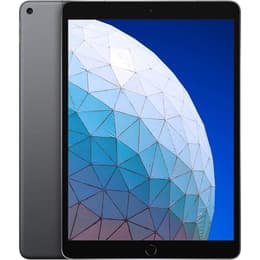
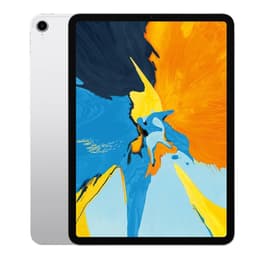
iPad Air 3 (2019, A12 series) vs iPad Pro (2018, A12 series)
- 1-year warranty
- Free standard shipping
- Free 30-day returns
Differences at a glance
The iPad Air 2019 and the iPad Pro 2018 are both Apple tablets designed for a range of tasks, from everyday use to more demanding professional workflows. Released in 2019 and 2018, respectively, they share the same operating system, iPadOS, providing a consistent software experience. While the iPad Air 2019 offers a balanced feature set for general users, the iPad Pro 2018 introduces more advanced display technology, a more powerful processor, and a modern design, catering to users with higher performance and creative needs.
Available Models
Color
Storage (GB)
Scores
Durability
When considering the long-term usability of these tablets, their release timelines and software support are key factors. The iPad Air 2019 was released in March 2019, while the iPad Pro 2018 models were introduced in October 2018.
- Software Longevity: The iPad Air 2019, being released later, is likely to receive major iPadOS updates for approximately one year longer than the iPad Pro 2018, extending its software lifespan.
- Build Quality: Both devices feature durable aluminum enclosures, offering a robust feel and similar resistance to everyday wear.
- Practical Lifespan: Users can expect several years of reliable performance from either device, with the iPad Air 2019 potentially offering a slightly longer period of optimal software compatibility due to its newer release date.
Release Year
2019
2018
Last OS Compatibility
Yes
Yes
OS
iPadOS
iPadOS
Maximum Operating System supported
iPadOS 18
iPadOS 18
Performance
The performance capabilities of these two tablets are a significant differentiator, primarily due to their internal processing units and RAM configurations.
- Processing Power: The iPad Air 2019 is equipped with a capable processor that handles demanding applications and multitasking smoothly, making it suitable for most daily tasks, including gaming and content consumption. The iPad Pro 2018, however, features a more advanced processor, providing a noticeable advantage in intensive tasks such as video editing, 3D rendering, and complex graphic design.
- Multitasking and Responsiveness: The iPad Air 2019 typically comes with 3GB of RAM, which is sufficient for running multiple apps simultaneously. The iPad Pro 2018 generally includes 4GB of RAM, with some 1TB storage models offering 6GB, allowing for more seamless transitions between numerous applications and handling larger files with greater ease.
- Storage Options: Both models offer various storage capacities, allowing users to choose based on their needs for apps, media, and documents.
Processor
Apple A12 Bionic
Apple A12X Bionic
Screen quality
The visual experience on these tablets is distinct, largely due to differences in their display technologies and features.
- Display Technology: The iPad Air 2019 features a 10.5-inch Retina display, which provides clear visuals and accurate colors, suitable for general use and media consumption. The iPad Pro 2018, available in 11-inch and 12.9-inch sizes, utilizes a Liquid Retina display with ProMotion technology.
- Refresh Rate: A key difference is the refresh rate; the iPad Air 2019 has a standard 60Hz refresh rate, while the iPad Pro 2018 boasts a 120Hz ProMotion display. This higher refresh rate on the Pro results in noticeably smoother scrolling, more responsive touch input, and a more fluid overall visual experience, particularly beneficial for drawing and fast-paced content.
- Brightness and Color: Both displays offer wide color (P3) support and True Tone technology for adaptive white balance. The iPad Pro 2018 generally offers higher peak brightness, which can improve visibility in bright environments.
Resolution
2224 x 1668
2388 x 1668
True Tone
Yes
Yes
Pro-Motion
No
Yes
Screen type
Retina display
Liquid Retina display
Pixel density
264ppp
264ppp
Brightness
500 nits brightness
600 nits brightness
Sound quality
Speakers
Stereo speakers
Four speaker audio
Audiovisual
While tablets are not typically primary photography devices, both models offer capable camera systems for various uses, including document scanning, video calls, and casual photography.
- Rear Camera: The iPad Air 2019 is equipped with an 8-megapixel rear camera that records 1080p video. The iPad Pro 2018 features a 12-megapixel rear camera with the ability to record 4K video at up to 60 frames per second, offering more detail and flexibility for video capture.
- Front Camera: Both tablets include a 7-megapixel front-facing camera suitable for video conferencing and selfies. The iPad Pro 2018's front camera is part of a TrueDepth system, enabling Face ID and advanced portrait features.
- Audio Experience: The iPad Air 2019 has two speakers, providing stereo sound. The iPad Pro 2018 features a four-speaker audio system, delivering a richer and more immersive sound experience, especially for media consumption.
Miscellaneous
Beyond core performance and display, several practical features distinguish these two tablets, impacting their compatibility with accessories and overall user interaction.
- Connectivity and Ports: The iPad Air 2019 retains the Lightning port, which is compatible with a wide range of existing accessories. The iPad Pro 2018 transitioned to a USB-C port, offering greater versatility for connecting to external displays, cameras, and other peripherals, and even charging other devices.
- Biometric Authentication: The iPad Air 2019 uses Touch ID, integrated into the home button, for secure authentication. The iPad Pro 2018 features Face ID, allowing for secure unlocking and authentication using facial recognition, which works in both portrait and landscape orientations.
- Apple Pencil Support: The iPad Air 2019 supports the 1st generation Apple Pencil, which charges via the Lightning port. The iPad Pro 2018 supports the 2nd generation Apple Pencil, which attaches magnetically to the side of the tablet for charging and pairing, offering a more convenient experience.
Weight
16 oz
16 oz
Width
7 in
7 in
Height
9.7 in
9.7 in
Depth
0.2 in
0.2 in
Screen size (inches)
10.5
11
Network
Wi-Fi
Wi-Fi + 4G
Carrier compatibility
Without SIM Port
Unlocked
Wi-Fi technology
Wi-Fi 6 802.11a/b/g/n/ac
Bluetooth Version
Bluetooth 5.0
Bluetooth 5.0
Face ID
No
Yes
Touch ID
Yes
No
Connector
Lightning connector
USB Type-C
What the community thinks
Choosing between the iPad Air 2019 and the iPad Pro 2018 depends on individual priorities and intended use. Users often praise the iPad Air 2019 for its strong overall performance and excellent display, making it a reliable device for general productivity, media consumption, and light creative tasks. It is frequently seen as a balanced option that delivers a premium tablet experience without some of the more specialized features of the Pro line. Some users, however, note that its design and 60Hz display feel less modern compared to the Pro models.
The iPad Pro 2018 is highly regarded for its advanced Liquid Retina display with ProMotion, offering a significantly smoother visual experience that is particularly appreciated by artists and those who value fluid interaction. Its more powerful processor and USB-C connectivity are often highlighted as benefits for professional workflows, external accessory support, and future-proofing. Criticisms sometimes point to the initial limitations of iPadOS in fully utilizing the Pro's hardware capabilities, though software updates have continuously expanded its potential.
Users prioritizing a highly responsive display, advanced processing power for demanding applications, and the versatility of USB-C connectivity will find the iPad Pro 2018 well-suited to their needs. Those seeking a capable and reliable tablet for everyday tasks, content consumption, and general productivity, with a slightly longer software update window, may lean toward the iPad Air 2019. Both models represent solid choices, and opting for a quality-assured refurbished option can provide an eco-friendly alternative for either device.