Compare models
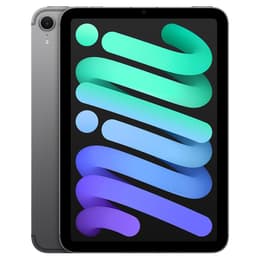
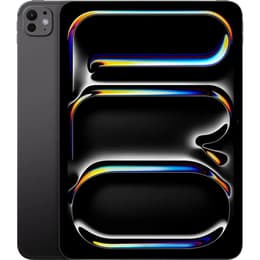
iPad mini 7 (2024, A17 series) vs iPad Pro (2025, M5 series)
- 1-year warranty
- Free standard shipping
- Free 30-day returns
Differences at a glance
The iPad mini 7 (released in 2024) and the iPad Pro (released in 2025) represent two distinct approaches to portable computing within Apple's tablet lineup. While the iPad mini 7 focuses on compact portability and one-handed convenience, the iPad Pro emphasizes maximum processing capability and expansive screen workspace. Operating on the iPadOS software platform, both devices offer similar user interfaces and app ecosystems, yet they target entirely different daily workflows.
Available Models
Color
Storage (GB)
Scores
Durability
When examining hardware longevity and support timelines, both models benefit from extended software update schedules, though their hardware capacities cater to different usage horizons.
- Software Support: Both tablets receive long-term operating system updates from Apple, ensuring years of security patches and feature additions.
- Hardware Endurance: The iPad Pro features advanced thermal design and higher memory configurations suited for heavy workloads over many years, while the iPad mini 7 provides reliable daily performance for standard mobile tasks.
- Repairability: Both devices follow standard modern tablet construction guidelines, making professional maintenance straightforward through quality-assured refurbished options available on platforms like Back Market.
Release Year
2024
2025
Last OS Compatibility
Yes
Yes
OS
iPadOS
iPadOS
Performance
Processing capabilities and day-to-day operation differ significantly based on the internal hardware architecture chosen for each form factor.
- Multitasking and App Execution: The iPad Pro handles demanding professional software, multi-window workflows, and complex rendering tasks smoothly, whereas the iPad mini 7 manages standard office applications, media streaming, and casual gaming with ease.
- Storage Configurations: The iPad Pro offers expansive storage tiers tailored for large media libraries and heavy project files, while the iPad mini 7 provides moderate storage options suitable for everyday apps and documents.
- Battery Behavior: Both devices generally sustain a full day of mixed usage, though the larger chassis of the iPad Pro houses a higher-capacity battery to support its demanding display and processing components.
Processor
Apple A17 Pro
Apple M5
Screen quality
Display characteristics define the visual interaction for each device, balancing screen estate against physical dimensions.
- Display Technology: The iPad Pro utilizes advanced tandem OLED technology with high peak brightness and deep contrast levels, while the iPad mini 7 features a compact liquid crystal display with crisp text rendering and natural color reproduction.
- Refresh Rate and Fluidity: The iPad Pro includes high refresh rate technology for exceptionally smooth scrolling and responsive stylus input, whereas the iPad mini 7 uses a standard refresh rate suitable for general viewing.
- Viewing Workspace: The iPad Pro provides a spacious canvas ideal for split-screen multitasking and detailed creative work, while the iPad mini 7 offers a pocket-friendly screen size optimized for reading and note-taking on the go.
Resolution
2266 x 1488
2420 x 1668
True Tone
Yes
Yes
Pro-Motion
No
Yes
Screen type
Liquid Retina display
Ultra Retina XDR display
Sound quality
Speakers
Stereo speakers (landscape)
Four speaker audio
Audiovisual
Multimedia capture and audio output capabilities vary to match the distinct use cases intended for a pocketable reader versus a professional workstation.
- Camera Systems: The iPad Pro is equipped with advanced multi-lens camera arrays and scanning sensors for augmented reality applications, whereas the iPad mini 7 features a single rear camera sufficient for quick document scanning and casual snapshots.
- Audio Performance: The iPad Pro incorporates a multi-speaker audio layout delivering room-filling sound for media consumption, while the iPad mini 7 utilizes stereo speakers tailored for personal listening in portrait or landscape orientation.
- Video and Calls: Both models include high-resolution front-facing cameras positioned for clear video conferencing, supported by clear microphone arrays for online meetings.
Miscellaneous
Physical design choices, connectivity standards, and accessory compatibility shape how each tablet integrates into daily routines.
- Portability and Handling: The lightweight and compact dimensions of the iPad mini 7 allow for easy one-handed holding and effortless travel, whereas the larger footprint of the iPad Pro requires a desk setup or specialized protective case with keyboard support.
- Connectivity and Ports: Both tablets offer rapid wireless networking options and utilize standard USB-C connection ports for charging and peripheral attachment.
- Authentication and Security: The iPad mini 7 integrates biometric authentication into the top power button, while the iPad Pro utilizes an advanced facial recognition sensor system located within the display bezel.
Weight
1 oz
444 oz
Screen size (inches)
8.3
11
Network
Wi-Fi
Wi-Fi
Carrier compatibility
Without SIM Port
Without SIM Port
Face ID
No
Yes
Touch ID
Yes
No
Connector
USB Type-C
USB Type-C
What the community thinks
User discussions across community platforms consistently highlight the distinct advantages of each form factor. Owners of the iPad mini 7 frequently praise its exceptional portability, comfortable reading size, and ability to fit into small bags or coats. Common criticisms focus on the smaller screen workspace for complex multitasking. Conversely, iPad Pro users frequently commend the stunning visual clarity of the display and the raw processing speed for professional tasks, while noting its heavier weight and larger footprint as minor trade-offs for travel.
Users prioritizing maximum portability, comfortable reading, and effortless one-handed use will find the iPad mini 7 well-suited to their needs. Meanwhile, users prioritizing expansive screen space, advanced creative tools, and heavy-duty multitasking capabilities may lean toward the iPad Pro. Choosing a quality-assured refurbished option from sustainable marketplaces like Back Market provides an eco-friendly alternative for acquiring either device without compromising on performance or reliability. Ultimately, matching the device to specific daily workflow requirements ensures a satisfying long-term experience.