
Press releases
Compare models
Differences at a glance
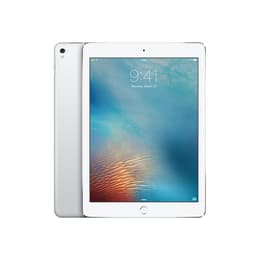
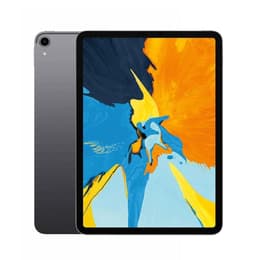
The iPad Pro 2016, featuring the A9X series chip, and the iPad Pro 2018, powered by the A12X series chip, represent two distinct generations of Apple's professional-grade tablets. While both devices offer a premium tablet experience, the 2018 model introduced significant advancements in design, processing power, and accessory compatibility. Both run on Apple's iPadOS, providing a consistent software ecosystem, but their hardware differences cater to varying user needs and expectations.
Color
Storage
When considering the longevity of these tablets, several factors come into play, including their release timelines, software support, and physical design.
Release Year
Last OS Compatibility
OS
Maximum Operating System supported
The core processing capabilities and memory configurations are key differentiators impacting the daily performance of these two iPad Pro models.
Processor
The visual experience is a primary consideration for tablets, and both iPad Pro models offer high-quality displays, though with notable advancements in the newer generation.
Resolution
True Tone
Pro-Motion
Screen type
Pixel density
Brightness
Speakers
Both iPad Pro models include capable camera systems, but the 2018 iteration brings enhancements to both still photography and video recording, alongside improved audio capabilities.
Beyond the core components, several practical features and design elements distinguish these two iPad Pro generations.
Weight
Width
Height
Depth
Screen size (inches)
Network
Carrier compatibility
Wi-Fi technology
Bluetooth Version
Face ID
Touch ID
Connector
User feedback often highlights the iPad Pro 2016 as a highly capable tablet for its time, praised for its compact size, vibrant display with True Tone, and robust performance for everyday tasks. Many users found its camera system to be a significant upgrade for an iPad, and the four-speaker audio was well-received for media consumption. Criticisms, when present, sometimes centered on the 2GB RAM limiting intensive multitasking compared to later models, and the Lightning port's limitations for professional workflows.
The iPad Pro 2018, on the other hand, garnered significant praise for its modern, all-screen design, the powerful performance boost from its processor, and the introduction of USB-C connectivity, which opened up new possibilities for external accessories and displays. Users appreciated the smoother experience provided by the ProMotion display and the convenience of the second-generation Apple Pencil. Some common concerns included the removal of the headphone jack and the initial adjustment to Face ID over Touch ID.
Users prioritizing a more compact form factor, a traditional headphone jack, and a still-capable performance for general productivity, media consumption, and light creative work may find the iPad Pro 2016 well-suited to their needs. It remains a solid choice for those who value its specific feature set. Conversely, users who require top-tier performance for demanding applications, a larger and more immersive display with ProMotion, the versatility of USB-C, and the advanced features of the second-generation Apple Pencil will likely lean towards the iPad Pro 2018. It is particularly beneficial for professionals and creatives who push their devices to the limit. Both models offer a pathway to a quality-assured refurbished option, providing an eco-friendly alternative for consumers.