iPad 5 (2017, A9 series) vs iPad Pro (2016, A9 series)

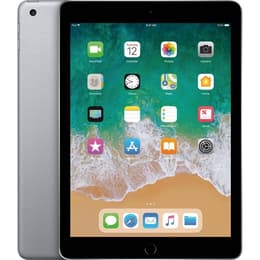
iPad 5 (2017, A9 series)
Starting at

Refurbished price:$60.32

Versus $329.00 new

See options
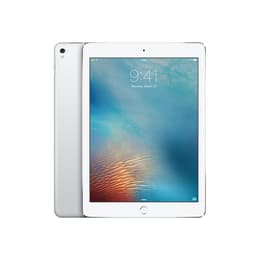
iPad Pro (2016, A9 series)
Starting at

Refurbished price:$90.00

Versus $599.00 new

See options

Ratings

The iPad 2017 and the iPad Pro 2016 are both 9.7-inch tablet devices that offer distinct experiences for users. Released in 2017, the iPad 2017 was positioned as a more accessible, general-purpose tablet, while the iPad Pro 2016, launched a year earlier, represented a more premium offering with advanced display technology and enhanced accessory support. Both devices operate on Apple's iPadOS.

Scores

Durability

When considering the longevity of these tablets, their release timelines and software support are key factors. The iPad Pro 2016 was released in March 2016, followed by the iPad 2017 in March 2017. Both models received major iPadOS updates up to iPadOS 16, meaning their software longevity is comparable, having reached the end of major OS support around the same time.

  • Software Updates: Both devices concluded their major operating system update cycle with iPadOS 16, offering a similar practical lifespan for accessing the latest software features.
  • Physical Design: The iPad 2017 features an aluminum unibody construction, measuring 7.5 mm thick and weighing 469 grams for the Wi-Fi model. The iPad Pro 2016 is notably thinner at 6.1 mm and lighter at 437 grams for the Wi-Fi model, also featuring an aluminum unibody.
  • Expected Lifespan: For basic tasks like web browsing, email, and media consumption, both tablets continue to function reliably. However, for demanding applications or the latest software features, their age means they may not offer the same performance as newer models.

Release Year

2017

2016

Last OS Compatibility

No

No

OS

iPadOS

iPadOS

Maximum Operating System supported

iPadOS 16

iPadOS 16

Performance

The performance capabilities of these two tablets are differentiated by their internal components, influencing how smoothly they handle various tasks.

  • Processor: The iPad 2017 is equipped with the A9 chip, which provides solid performance for everyday applications and light multitasking. The iPad Pro 2016, on the other hand, features the more powerful A9X chip, designed to offer enhanced performance, particularly for graphics-intensive tasks and more demanding workflows.
  • Multitasking and Responsiveness: The iPad Pro 2016 includes 4GB of RAM, which allows for more fluid multitasking and keeps more applications active in memory compared to the iPad 2017's 2GB of RAM. This difference can be noticeable when switching between multiple apps or working with complex documents.
  • Storage Options: The iPad 2017 was available with up to 128GB of internal storage. The iPad Pro 2016 offered more flexibility with storage, including a 256GB option, catering to users who require more space for apps, media, and files.
  • Battery Performance: Both models are rated to provide up to 10 hours of web surfing on Wi-Fi, watching video, or listening to music, indicating similar battery endurance for typical usage patterns.

Memory (GB)

2 GB

2 GB

Processor

Apple A9

Apple A9X

Screen quality

Both tablets feature a 9.7-inch Retina display, but the iPad Pro 2016 incorporates several advanced display technologies that set it apart from the iPad 2017.

  • Display Technology: Both devices utilize LED-backlit IPS LCD panels with a resolution of 2048x1536 pixels, resulting in a pixel density of 264 ppi.
  • Advanced Features: The iPad Pro 2016's display includes True Tone technology, which automatically adjusts the display's color and intensity to match the ambient light, providing a more natural viewing experience. It also supports a DCI-P3 wide color gamut, offering more vibrant and accurate colors.
  • Lamination and Anti-Reflective Coating: A significant difference is that the iPad Pro 2016 features a fully laminated display with an anti-reflective coating, which reduces glare and makes the screen appear closer to the surface. The iPad 2017's display is not fully laminated and lacks this anti-reflective coating, which can lead to more noticeable reflections and a slight gap between the glass and the display panel.
  • Brightness: While the iPad 2017 offered a brighter screen than its predecessor, the iPad Air 2, the iPad Pro 2016 also delivered increased brightness and improved color saturation compared to the iPad Air 2.

Resolution

2048 x 1536

2048 x 1536

True Tone

No

Yes

Pro-Motion

No

No

Screen type

Retina display

Retina display

Pixel density

264ppp

264ppp

Brightness

500 nits brightness

500 nits brightness

Sound quality

Speakers

Stereo speakers

Four speaker audio

Audiovisual

The camera systems and audio capabilities present a clear distinction between these two iPad models, with the iPad Pro 2016 offering more advanced features.

  • Rear Camera: The iPad 2017 is equipped with an 8-megapixel rear camera capable of recording 1080p HD video at 30 frames per second. The iPad Pro 2016 features a more capable 12-megapixel rear camera with a True Tone flash, supporting 4K video recording at 30 frames per second, as well as slow-motion video at higher frame rates.
  • Front Camera: For video calls and selfies, the iPad 2017 has a 1.2-megapixel FaceTime HD camera. The iPad Pro 2016 significantly upgrades this to a 5-megapixel FaceTime HD camera, also featuring Retina Flash for improved low-light performance in selfies.
  • Audio Experience: The iPad 2017 includes built-in stereo speakers. The iPad Pro 2016 enhances the audio experience with a four-speaker system, which automatically adjusts sound output based on the tablet's orientation, providing a more immersive sound for media consumption.
  • Microphones: The iPad Pro 2016 also features dual microphones for clearer audio input during calls and recordings.

Miscellaneous

Beyond core performance and display, several practical elements contribute to the overall user experience of these tablets.

  • Connectivity: Both the iPad 2017 and iPad Pro 2016 support Wi-Fi 802.11ac with dual-band capabilities (2.4GHz and 5GHz) and MIMO technology, along with Bluetooth 4.2. Cellular models were available for both, offering LTE connectivity.
  • Ports and Sensors: Both tablets feature a Lightning port for charging and data transfer, and include a Touch ID fingerprint sensor for secure authentication. The iPad Pro 2016 additionally features a Smart Connector, which allows for direct connection to accessories like the Smart Keyboard.
  • Dimensions and Weight: The iPad 2017 measures 240 x 169.5 x 7.5 mm and weighs 469 grams (Wi-Fi model). The iPad Pro 2016 is slightly more compact and lighter, with dimensions of 240 x 169.5 x 6.1 mm and a weight of 437 grams (Wi-Fi model).
  • Accessory Support: A key differentiator is the iPad Pro 2016's compatibility with the first-generation Apple Pencil and the Smart Keyboard, enabling more precise input for creative tasks and a more laptop-like typing experience. The iPad 2017 does not support these accessories.

Weight

16 oz

15 oz

Width

6.6 in

6.6 in

Height

9.4 in

9.4 in

Depth

0.2 in

0.2 in

Screen size (inches)

9.7

9.7

Network

Wi-Fi

Wi-Fi

Carrier compatibility

Without SIM Port

Without SIM Port

Wi-Fi technology

Wi-Fi 6 802.11a/b/g/n/ac

Wi-Fi 6 802.11a/b/g/n/ac

Bluetooth Version

Bluetooth 4.2

Bluetooth 4.2

Face ID

No

No

Touch ID

Yes

Yes

Connector

Lightning connector

Lightning connector

User sentiment for the iPad 2017 often highlights its role as a dependable and straightforward tablet, well-suited for general use. Many users praised it as a solid option for everyday tasks like web browsing, email, and media consumption, particularly for those seeking a functional device without needing the latest advancements. Criticisms frequently centered on its display not being fully laminated and lacking an anti-reflective coating, which could lead to more glare, and the absence of support for the Apple Pencil or Smart Keyboard.

The iPad Pro 2016, conversely, garnered praise for its more advanced display, including True Tone technology and wide color support, as well as its superior camera system and immersive four-speaker audio. Users appreciated its enhanced performance for more demanding applications and its compatibility with productivity accessories like the Apple Pencil and Smart Keyboard. Some feedback noted that while powerful, its 2GB of RAM could be a limiting factor for intensive multitasking compared to the larger iPad Pro model of its time.

Users prioritizing a tablet for casual use, media consumption, and basic productivity, where advanced display features and accessory support are not primary concerns, may find the iPad 2017 to be a suitable choice. It offers a reliable experience for common tasks. Conversely, individuals who value a more refined visual experience, superior camera capabilities, enhanced audio, and the ability to use the Apple Pencil and Smart Keyboard for creative or professional work will likely find the iPad Pro 2016 better aligned with their needs. Both devices, as quality-assured refurbished options, represent an eco-friendly alternative for those looking to extend the life cycle of electronic products.

See all articles

Our recent comparisons