
iPhones
Compare models
Differences at a glance
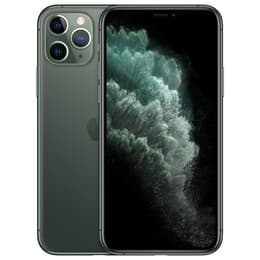
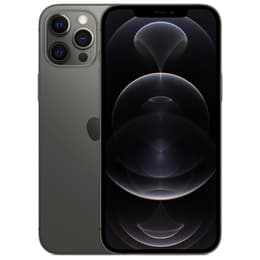
The iPhone 11 Pro, released in September 2019, and the iPhone 12 Pro Max, launched in November 2020, represent two generations of Apple's premium smartphone offerings. While both devices operate on the iOS platform and deliver a high-end user experience, the iPhone 12 Pro Max introduced a refreshed design, 5G connectivity, and notable camera enhancements that distinguish it from its predecessor.
Color
Storage
When considering the longevity of these devices, several factors come into play, including their release timelines, software support, and physical durability.
Release Year
Last OS Compatibility
OS
Foldable
The processing power and memory configurations of these smartphones influence their ability to handle demanding applications and multitasking.
The visual experience on both devices is delivered through high-quality displays, though with differences in size and specific characteristics.
Resolution
Screen type
Both smartphones offer advanced camera systems, but the newer model introduces several enhancements for photography and videography.
Main camera
Front camera
Beyond core performance and display, several other features contribute to the overall user experience and practical utility of these devices.
Weight
Screen size (inches)
Network
SIM card
Carrier compatibility
Connector
Choosing between the iPhone 11 Pro and the iPhone 12 Pro Max involves weighing priorities such as device size, advanced connectivity, and camera capabilities. User feedback often highlights the iPhone 11 Pro's comfortable, compact form factor and its still-capable performance and camera system, making it a solid choice for those who prefer a smaller device that is easy to handle. Some users, however, have noted that the iPhone 11 Pro's processor can show signs of aging with the latest iOS versions and intensive applications.
The iPhone 12 Pro Max is frequently praised for its expansive display, excellent battery life, and the inclusion of 5G connectivity, which offers faster network speeds where available. Its camera system, with features like Night Mode Portraits and the LiDAR scanner, also receives positive remarks for enhanced photography and videography. However, its larger size and increased weight can be a consideration for users who prefer a more pocketable or lighter device.
Users prioritizing a more compact and ergonomic design, who may not require the absolute latest in cellular technology or the largest screen, might find the iPhone 11 Pro well-suited to their needs. Conversely, those who value a larger display for media consumption, advanced camera features, and future-proof 5G connectivity, and are comfortable with a larger device, would likely lean towards the iPhone 12 Pro Max. Both models remain viable options, especially when considering quality-assured refurbished alternatives, which offer a sustainable choice for extending the life of these devices.