
iPhone 11 Pro • Unlocked vs iPhone SE (2016) • Unlocked

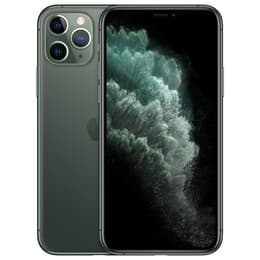
iPhone 11 Pro • Unlocked
Starting at

Refurbished price:$212.00

Versus $749.00 new

See options
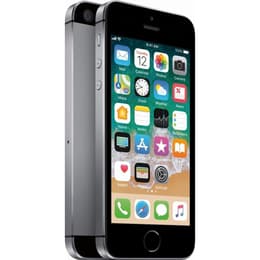
iPhone SE (2016) • Unlocked
Starting at

Refurbished price:$70.00

Versus $219.00 new

See options

Ratings

The iPhone 11 Pro, released in September 2019, and the iPhone SE (2016), launched in March 2016, represent distinct eras in Apple's smartphone evolution. These two devices cater to different user preferences, primarily differing in their physical size, display technology, and overall performance capabilities. Both operate on Apple's iOS platform, offering a consistent software experience, though their hardware dictates the extent of their software longevity and feature support.

Scores

Durability

The practical lifespan of a smartphone is often influenced by its release timeline and ongoing software support. The iPhone SE (2016) was introduced significantly earlier than the iPhone 11 Pro, impacting its current and future usability.

  • Software Longevity: The iPhone SE (2016) initially shipped with iOS 9.3 and received major updates up to iOS 15, which was its final major operating system upgrade. [1, 16, 24] In contrast, the iPhone 11 Pro, launched with iOS 13, is expected to support iOS 26, offering a considerably longer period of access to the latest features and security enhancements. [4, 35, 42, 44]
  • Repairability: The iPhone SE (2016) received an iFixit repairability score of 6 out of 10, indicating that components like the battery and screen are relatively accessible for repair, though the Touch ID placement can be intricate. [26, 34, 37] While a specific score for the iPhone 11 Pro was not readily available, newer iPhone models generally present more challenges for repair.
  • Expected Practical Lifespan: Given the current date, the iPhone SE (2016) has reached the end of its major software update cycle, meaning it will no longer receive new iOS features, though security updates for older iOS versions may still be provided. [16, 24, 31] The iPhone 11 Pro, being a much newer device, continues to receive major iOS updates, suggesting a longer practical lifespan for users who prioritize current software features and compatibility. [35, 42, 44]

Release Year

2019

2016

Last OS Compatibility

Yes

No

OS

iOS

iOS

Foldable

No

No

Performance

The performance capabilities of these two iPhones reflect the technological advancements made between their respective release years, influencing everything from app responsiveness to multitasking efficiency.

  • Processing Power: The iPhone 11 Pro features a significantly more advanced internal processor compared to the iPhone SE (2016). This translates to noticeably faster app loading times, smoother transitions between applications, and more efficient handling of demanding tasks such as high-fidelity gaming or complex photo and video editing.
  • Multitasking and Storage: With a greater amount of internal memory, the iPhone 11 Pro manages multiple open applications more effectively, allowing users to switch between them without experiencing delays or app reloads. [4, 6, 10] The iPhone 11 Pro also offers higher base storage options, starting at 64GB and going up to 512GB, providing more space for apps, photos, and media compared to the iPhone SE (2016)'s options, which ranged from 16GB to 128GB. [1, 2, 5, 14]
  • Battery Behavior: The iPhone 11 Pro is widely recognized for its robust battery performance, often providing extended usage, with many users reporting it can last through a full day or even longer with moderate to heavy use. [7, 17, 19, 29] The iPhone SE (2016), while praised for its battery life relative to its small size at launch, generally offers less endurance, with heavy users often needing to recharge more frequently. [9, 15, 21]

Memory

4 GB

2 GB

Screen quality

The visual experience on these two devices is a primary differentiator, stemming from significant advancements in display technology over the years.

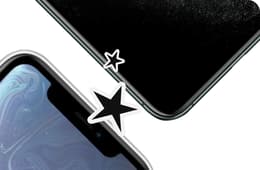
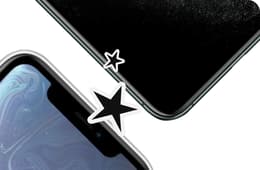
  • Display Technology and Clarity: The iPhone 11 Pro features a 5.8-inch OLED display, known for its deep blacks, high contrast, and vibrant color reproduction, offering a rich viewing experience. [4, 6, 10] The iPhone SE (2016) utilizes a 4.0-inch IPS LCD panel, which provides good color accuracy and brightness for its time, but does not achieve the same level of contrast or true black representation as an OLED screen. [1, 3, 5]
  • Resolution and Brightness: The iPhone 11 Pro boasts a higher resolution and pixel density, resulting in sharper text and more detailed images across its larger screen. [4, 6, 10] It also offers higher peak brightness, which improves visibility in bright outdoor conditions. The iPhone SE (2016) has a lower resolution and pixel density, though its smaller screen size means content still appears clear for its dimensions. [1, 3, 5, 40]
  • Screen Size and Viewing Experience: The 5.8-inch display of the iPhone 11 Pro provides a more expansive canvas for media consumption, web browsing, and multitasking. The 4.0-inch screen of the iPhone SE (2016) is notably compact, making it ideal for one-handed use and easy pocketability, though it offers a more constrained viewing area. [8, 23, 40]

Resolution

1125 x 2436

640 x 1136

Screen type

Super Retina XDR OLED

IPS LCD

Audiovisual

The camera systems on the iPhone 11 Pro and iPhone SE (2016) reflect different generations of mobile photography, with the newer device offering a more versatile and advanced setup.

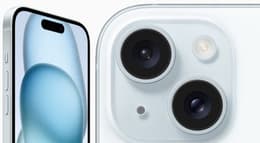
  • Rear Camera System: The iPhone 11 Pro features a triple 12-megapixel camera system, including a wide, ultra-wide, and telephoto lens, providing greater flexibility for different photographic scenarios. [4, 6, 14] This setup allows for optical zoom and a wider field of view. The iPhone SE (2016) has a single 12-megapixel rear camera, which was considered capable for its time, particularly in good lighting conditions. [1, 3, 5]
  • Low-Light and Video Performance: The iPhone 11 Pro excels in low-light photography thanks to its Night Mode feature and improved sensor technology, capturing more detail and better color accuracy in challenging conditions. [13, 25, 28, 30] It also offers enhanced video recording capabilities, including 4K resolution at higher frame rates. The iPhone SE (2016) can record 4K video but struggles significantly in low-light environments, and its overall video features are more basic. [1, 23, 40]
  • Front Camera and Audio: The iPhone 11 Pro includes a 12-megapixel front camera, delivering higher quality selfies and improved video calls. [4, 14] The iPhone SE (2016) has a 1.2-megapixel front camera, which is considerably lower resolution and performs less effectively, especially in dim lighting. [1, 23, 40] Both devices offer decent microphone quality for calls, but the 11 Pro's overall media consumption experience is enhanced by its superior display and potentially better speaker output.

Main camera

12 megapixels

12 megapixels

Front camera

12 megapixels

1.2 megapixels

Miscellaneous

Beyond core performance and display, several practical elements differentiate these two devices, impacting daily usability and connectivity.

  • Physical Design and Handling: The iPhone SE (2016) is significantly smaller and lighter, weighing 113 grams and featuring a compact 4.0-inch form factor, making it highly suitable for one-handed operation and easy portability. [1, 3, 23] The iPhone 11 Pro is a larger and heavier device at 188 grams with a 5.8-inch display, offering a more substantial feel in hand, partly due to its stainless steel frame. [2, 4, 7]
  • Connectivity and Ports: The iPhone 11 Pro supports newer wireless standards, including Wi-Fi 6 and Bluetooth 5.0, offering potentially faster and more stable connections. [4, 6] Both devices use the Lightning port for charging and data transfer. A notable difference is the iPhone SE (2016)'s inclusion of a 3.5mm headphone jack, a feature absent on the iPhone 11 Pro. [8, 12, 41]
  • Biometric Security: The iPhone SE (2016) relies on Touch ID, a fingerprint sensor integrated into the home button, for secure authentication. [5] The iPhone 11 Pro utilizes Face ID, an advanced facial recognition system, for unlocking the device and authenticating purchases. [4]

Weight

7 oz

4 oz

Screen size (inches)

5.8

4

Network

LTE

LTE

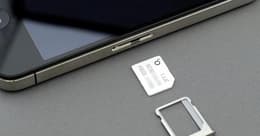
SIM card

Physical SIM + eSIM

Physical SIM

Carrier compatibility

Unlocked

Unlocked

Connector

Lightning

Lightning + Jack 3.5mm

The iPhone 11 Pro and iPhone SE (2016) cater to distinct user needs, reflecting the rapid evolution of smartphone technology. Users frequently praise the iPhone 11 Pro for its exceptional battery life, often noting its ability to last well over a day even with heavy usage. [7, 17, 19] Its advanced camera system, particularly the versatility of its triple lenses and impressive low-light performance, also receives high acclaim. [13, 25, 28] Some users, however, find its size and weight to be a factor, preferring a more compact device. Conversely, the iPhone SE (2016) is consistently lauded for its compact form factor, making it ideal for one-handed use and easy pocketability. [8, 23, 40] Its inclusion of a headphone jack is also a frequent point of appreciation. [8, 12] Criticisms often revolve around its smaller screen size for media consumption and its less capable front-facing camera. [22, 40]

Users prioritizing a modern, expansive display, advanced camera capabilities, and extended battery life will find the iPhone 11 Pro well-suited to their needs. It is an excellent choice for those who engage in demanding applications, extensive photography, or require a device that can comfortably last through prolonged use. On the other hand, individuals who value a highly portable device, prefer one-handed operation, or appreciate the traditional headphone jack may lean towards the iPhone SE (2016). It remains a practical option for essential smartphone functions in a compact design. For those considering either model, exploring quality-assured refurbished options can provide an eco-friendly alternative to extend the life cycle of these devices.

See all articles

Our recent comparisons