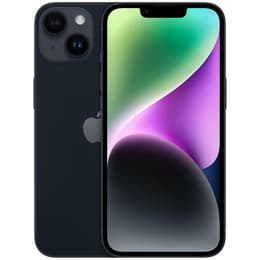

iPhones
Compare models
Differences at a glance
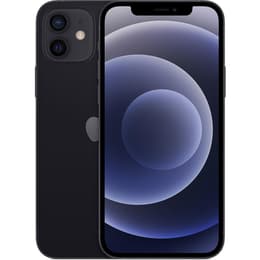
The iPhone 12, released in October 2020, and the iPhone 14, launched in September 2022, represent two distinct generations within Apple's smartphone lineup. While both devices share a similar design language and operate on the iOS ecosystem, the iPhone 14 introduces advancements in camera technology, internal components, and safety features. Both models offer a familiar user experience, but the newer iPhone 14 incorporates refinements that enhance daily usage.
Color
Storage
When considering the long-term usability of these devices, their respective release dates play a significant role in their expected lifespan and software support.
Release Year
Last OS Compatibility
OS
Foldable
The core performance of a smartphone is largely determined by its internal processing capabilities and how efficiently it manages power and applications.
The visual experience on a smartphone is primarily influenced by its display technology, resolution, and brightness capabilities.
Resolution
Screen type
The camera systems on both devices are designed to capture high-quality images and videos, with the iPhone 14 introducing several enhancements.
Main camera
Front camera
Beyond the core features, several practical elements contribute to the overall user experience and device utility.
Weight
Screen size (inches)
Network
SIM card
Carrier compatibility
Connector
User feedback for the iPhone 12 often praises its introduction of 5G connectivity, its sharp OLED display, and its capable camera system, which marked a significant upgrade at its release. However, some users have noted concerns regarding its battery life, particularly with consistent 5G usage, and its long-term degradation. The iPhone 14, while maintaining a familiar design, is frequently lauded for its improved camera performance, especially in low light, and its enhanced battery endurance. The addition of safety features like Crash Detection and Emergency SOS via Satellite has also been well-received. Criticisms sometimes point to the incremental nature of its upgrades over its immediate predecessor, particularly the use of a similar processor to the previous generation's Pro model.
For users prioritizing the latest camera advancements, slightly better battery life, and cutting-edge safety features, the iPhone 14 may be the more suitable choice. Its extended software support timeline also offers a longer period of up-to-date functionality. Conversely, individuals seeking a device that still delivers a strong performance for everyday tasks, a vibrant display, and reliable connectivity, while being a more established option, might find the iPhone 12 to be a compelling alternative. Both devices offer a robust smartphone experience, and considering a quality-assured refurbished option for either model can be an eco-friendly way to access these technologies.