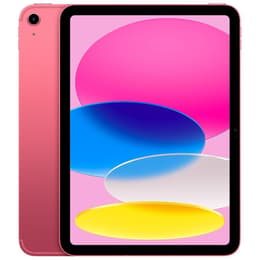
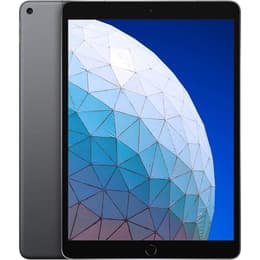
iPad 10 (2022, A14 series) vs iPad Air 3 (2019, A12 series)

iPad 10 (2022, A14 series)
Starting at

Refurbished price:$259.00

Versus $349.00 new

See options
iPad Air 3 (2019, A12 series)
Starting at

Refurbished price:$134.00

Versus $499.00 new

See options

Ratings

The iPad 2022, also known as the 10th generation iPad, was released in October 2022, offering a refreshed design and updated internal components. The iPad Air 2019, or 3rd generation iPad Air, launched in March 2019, positioned itself as a more capable option than the standard iPad of its time. These two tablets, while separated by a few years, both run on Apple's iPadOS, but they cater to slightly different user needs due to their distinct features and performance capabilities.

Scores

Durability

When considering the practical lifespan of these devices, several factors come into play, including their release dates and expected software support.

  • Release Timeline: The iPad 2022 was introduced in October 2022, making it a more recent device compared to the iPad Air 2019, which launched in March 2019. This difference in release year directly impacts the duration of software support each device is likely to receive.
  • Software Longevity: Apple typically provides major iPadOS updates for approximately 5-6 years from a device's release. The iPad 2022, being newer, is expected to receive software updates for a longer period, potentially extending its functional life by a year or two beyond the iPad Air 2019. The iPad Air 2019 supports iPadOS 17, but its eligibility for future updates may become more limited over time. [25, 27]
  • Repairability and Materials: Both devices feature aluminum bodies and glass fronts. While specific repairability scores can vary, both are designed with a certain level of durability for everyday use. The iPad 2022 features Ceramic Shield protection, which can offer enhanced durability for the display. [8]

Release Year

2022

2019

Last OS Compatibility

Yes

Yes

OS

iPadOS

iPadOS

Maximum Operating System supported

iPadOS 18

iPadOS 18

Performance

The processing power and memory configurations of these iPads influence their ability to handle various tasks, from everyday browsing to more demanding applications.

  • Processor Capabilities: The iPad 2022 incorporates a more recent processor, which provides a noticeable boost in overall speed and efficiency compared to the iPad Air 2019's chip. This translates to smoother app loading, more fluid multitasking, and enhanced performance in graphics-intensive games and applications on the newer model. [2, 8]
  • Multitasking and Responsiveness: The iPad 2022 comes with 4GB of RAM, while the iPad Air 2019 has 3GB of RAM. [2, 4, 5, 8, 13, 25, 27] This difference in memory can affect how many applications can run simultaneously in the background without needing to reload, with the iPad 2022 offering a slightly more seamless multitasking experience. Users of the iPad Air 2019 might notice apps reloading more frequently when switching between them, especially with several demanding applications open. [27]
  • Battery Behavior: Both models are designed to offer up to 10 hours of web surfing on Wi-Fi or video playback. [3, 12, 19] Actual battery life can vary based on usage patterns and settings.

Memory (GB)

4 GB

3 GB

Processor

Apple A14 Bionic

Apple A12 Bionic

Screen quality

The visual experience on a tablet is largely defined by its display, and both iPads offer quality screens with some key distinctions.

  • Display Technology and Size: Both devices feature Liquid Retina IPS LCD displays with a pixel density of 264 pixels per inch (ppi). The iPad 2022 has a slightly larger 10.9-inch display, while the iPad Air 2019 features a 10.5-inch screen. [1, 3, 7, 10, 11, 24]
  • Clarity and Brightness: Both displays offer a typical brightness of 500 nits and support True Tone technology, which adjusts the screen's white balance to match ambient light. [1, 3, 5, 11, 24] This ensures comfortable viewing in various lighting conditions.
  • Lamination and Anti-Reflective Coating: A notable difference is that the iPad Air 2019's display is fully laminated and includes an anti-reflective coating, which can reduce glare and make the screen appear closer to the glass. [3, 5, 7, 24] The iPad 2022's display is not fully laminated, which might result in a slight air gap between the glass and the display panel. [2, 13]

Resolution

2360 x 1640

2224 x 1668

True Tone

Yes

Yes

Pro-Motion

No

No

Screen type

Liquid Retina display

Retina display

Pixel density

264ppp

264ppp

Brightness

500 nits brightness

500 nits brightness

Sound quality

Speakers

Stereo speakers

Stereo speakers

Audiovisual

Tablet cameras are increasingly used for more than just video calls, and these two iPads offer different capabilities for capturing photos and videos.

  • Rear Camera System: The iPad 2022 features a 12MP Wide camera with an f/1.8 aperture, capable of recording 4K video at various frame rates. [1, 8, 18] In contrast, the iPad Air 2019 has an 8MP rear camera with an f/2.4 aperture, which records video at 1080p HD. [3, 7, 15, 24] The iPad 2022's camera offers better detail and low-light performance, along with higher resolution video recording.
  • Front Camera Performance: For video calls and selfies, the iPad 2022 is equipped with a 12MP Ultra Wide front camera positioned on the landscape edge, supporting Center Stage, which keeps the user in frame during video calls. [1, 6, 18] The iPad Air 2019 has a 7MP FaceTime HD front camera. [3, 7, 15] The iPad 2022's front camera provides a wider field of view and improved clarity for video conferencing.
  • Audio Quality: Both devices feature stereo speakers, suitable for media consumption. The iPad 2022 has dual microphones, while the iPad Air 2019 also includes dual microphones for clear audio input. [1, 3, 7]

Miscellaneous

Beyond core performance and display, several other features contribute to the overall user experience and connectivity of these tablets.

  • Connectivity Options: The iPad 2022 supports Wi-Fi 6 (802.11ax) and Bluetooth 5.2, offering faster and more stable wireless connections. [1, 12, 17] The iPad Air 2019 uses Wi-Fi 5 (802.11ac) and Bluetooth 5.0. [4, 25] Cellular models of the iPad 2022 also support 5G, while the iPad Air 2019 supports LTE. [1, 2, 4]
  • Ports and Accessories: The iPad 2022 has transitioned to a USB-C port for charging and accessories, aligning with more modern standards, but it lacks a traditional headphone jack. [1, 2, 10, 18] The iPad Air 2019 features a Lightning port and retains a 3.5mm headphone jack. [4, 7] Both support the first-generation Apple Pencil, though the iPad 2022 requires an adapter for charging and pairing. [1, 2, 3, 11]
  • Design and Biometrics: The iPad 2022 features a more contemporary design with flat edges and Touch ID integrated into the top button. [2, 8] The iPad Air 2019 has a more traditional design with a home button that houses Touch ID. [4, 7] The iPad 2022 is slightly thicker and heavier than the iPad Air 2019. [1, 7, 10, 14, 18]

Weight

16 oz

16 oz

Width

7 in

7 in

Height

9.7 in

9.7 in

Depth

0.2 in

0.2 in

Screen size (inches)

10.9

10.5

Network

Wi-Fi

Wi-Fi

Carrier compatibility

Without SIM Port

Without SIM Port

Wi-Fi technology

Wi-Fi 6 802.11ax

Wi-Fi 6 802.11a/b/g/n/ac

Bluetooth Version

Bluetooth 5.2

Bluetooth 5.0

Face ID

No

No

Touch ID

Yes

Yes

Connector

USB Type-C

Lightning connector

User sentiment for the iPad 2022 often highlights its modern design, improved cameras, and the convenience of its landscape-oriented front camera for video calls. [8] Users appreciate its performance for everyday tasks and its transition to USB-C. Some criticisms have focused on the display not being fully laminated and the accessory compatibility requiring adapters. [2, 8, 13]

The iPad Air 2019 is frequently praised for its fully laminated display with anti-reflective coating, which enhances the viewing experience, and its solid performance for its age. [9, 24] Common concerns include its older processor compared to newer models and the eventual limitation of software updates. [27] Its continued utility for general use, even years after its release, is a recurring theme in user discussions. [27]

Users prioritizing a more current design, enhanced camera capabilities, and longer software support may find the iPad 2022 better suited to their needs. Its updated processor also offers a performance advantage for more demanding applications. Conversely, users who value a fully laminated, anti-reflective display and the presence of a traditional headphone jack might lean towards the iPad Air 2019. Both devices offer a reliable iPadOS experience, and choosing a quality-assured refurbished option for either model can provide an eco-friendly alternative for consumers seeking to make informed and sustainable choices.


See all articles

Our recent comparisons