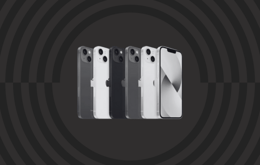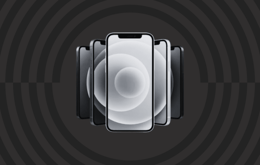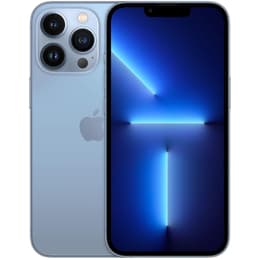
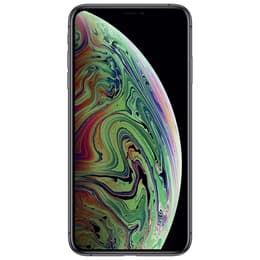

iPhone 13 Pro • Unlocked vs iPhone XS Max • Unlocked

iPhone 13 Pro • Unlocked
Starting at

Refurbished price:$299.99

Versus $899.00 new

See options
iPhone XS Max • Unlocked
Starting at

Refurbished price:$158.00

Versus $599.00 new

See options

Ratings

The iPhone 13 Pro, released in September 2021, and the iPhone Xs Max, launched in September 2018, represent different generations of Apple's premium smartphone offerings. While both devices feature large OLED displays and a focus on camera capabilities, the iPhone 13 Pro introduces a more advanced camera system, a higher refresh rate display, and a newer processor, reflecting several years of technological advancements. Both run on Apple's iOS operating system, providing a consistent user experience, though the level of software support differs due to their respective release timelines.

Scores

Durability

The practical lifespan of a smartphone is influenced by its release timeline, ongoing software support, and physical durability.

  • Release Timeline: The iPhone 13 Pro was released in September 2021, making it a more recent device compared to the iPhone Xs Max, which launched in September 2018. This difference in age directly impacts the duration of future software updates.
  • Software Longevity: The iPhone 13 Pro shipped with iOS 15 and is compatible with iOS 18, with expectations for several more years of major iOS updates, likely extending its software support until around 2026-2027. In contrast, the iPhone Xs Max, which launched with iOS 12, received updates up to iOS 17 but is no longer receiving major iOS updates as of late 2023 or early 2024. This means the iPhone 13 Pro offers a longer period of access to the latest features and security enhancements.
  • Repairability Considerations: The iPhone 13 Pro received an iFixit repairability score of 5 out of 10. While display and battery replacements are considered priorities in its design, the use of multiple screw types and software pairing for components like Face ID can complicate third-party repairs. The device's double-glass construction also means potential for costly rear glass damage.

Release Year

2021

2018

Last OS Compatibility

Yes

Yes

OS

iOS

iOS

Foldable

No

No

Performance

Performance in smartphones is determined by the underlying processing power, which impacts everything from app responsiveness to multitasking and gaming.

  • Processing Capabilities: The iPhone 13 Pro features a more advanced processor with a 6-core CPU, a 5-core GPU, and a 16-core Neural Engine. This allows it to handle demanding applications, complex graphics, and intensive multitasking with greater efficiency and speed. The iPhone Xs Max is powered by an earlier generation processor with a 6-core CPU, a 4-core GPU, and an 8-core Neural Engine, which provided robust performance at its release but offers less headroom for future software and applications.
  • System Responsiveness: Users of the iPhone 13 Pro can expect smoother app loading times, more fluid transitions between applications, and enhanced performance in graphically intensive games due to its newer and more powerful internal components. The iPhone Xs Max still offers a capable experience for everyday tasks, but may show signs of slower performance with newer, more resource-intensive applications.
  • Battery Behavior: The iPhone 13 Pro is equipped with a 3095 mAh battery, offering up to 22 hours of video playback according to manufacturer claims, with real-world usage often supporting all-day power for many users. The iPhone Xs Max has a 3174 mAh battery, rated for up to 15 hours of video playback. While the Xs Max has a slightly larger battery capacity, the efficiency improvements in the 13 Pro's processor and display technology contribute to its extended battery life in typical use cases.

Memory (GB)

6 GB

4 GB

Screen quality

The display is a primary interface for smartphone interaction, and differences in technology and specifications can significantly affect the viewing experience.

  • Display Technology and Clarity: Both devices feature OLED displays, providing deep blacks and vibrant colors. The iPhone 13 Pro has a 6.1-inch Super Retina XDR OLED display with a resolution of 2532 x 1170 pixels at 460 ppi. The iPhone Xs Max offers a larger 6.5-inch Super Retina OLED display with a resolution of 2688 x 1242 pixels at 458 ppi. While both offer high pixel density for sharp visuals, the 13 Pro's display incorporates newer technology.
  • Brightness and Refresh Rate: The iPhone 13 Pro features a display with a typical brightness of 1000 nits and a peak HDR brightness of 1200 nits, making it highly visible in various lighting conditions, including bright outdoor environments. It also includes ProMotion technology, offering an adaptive refresh rate that can scale from 10Hz to 120Hz for smoother scrolling and more responsive interactions. The iPhone Xs Max has a maximum brightness of 625 nits and a standard 60Hz refresh rate. The higher brightness and adaptive refresh rate of the 13 Pro contribute to a more fluid and visually comfortable experience.
  • Screen Size and Viewing: The iPhone Xs Max provides a larger screen at 6.5 inches, which can be beneficial for media consumption and users who prefer more screen real estate. The iPhone 13 Pro's 6.1-inch display offers a slightly more compact form factor while still delivering a premium viewing experience.

Resolution

1170 x 2532

1242 x 2688

Screen type

Super Retina XDR OLED

Super Retina OLED

Audiovisual

Camera systems are a key differentiator for modern smartphones, with advancements impacting photo and video quality across various scenarios.

  • Camera System Configuration: The iPhone 13 Pro features a triple 12MP camera system, including Wide (f/1.5), Ultra Wide (f/1.8), and Telephoto (f/2.8) lenses, complemented by a LiDAR Scanner. This setup provides a 3x optical zoom in and a 6x optical zoom range. The iPhone Xs Max has a dual 12MP camera system, consisting of a Wide (f/1.8) and a Telephoto (f/2.4) lens, offering 2x optical zoom.
  • Photography Features and Performance: The iPhone 13 Pro introduces significant enhancements such as Cinematic mode for video, Photographic Styles, ProRes video recording, and Night mode support across all three rear cameras. Its larger sensors and wider apertures allow for improved low-light performance and macro photography capabilities. The iPhone Xs Max features Smart HDR for photos and Portrait mode with Depth Control, and was capable of recording stereo audio for videos. While the Xs Max delivered strong camera performance for its time, the 13 Pro offers more advanced computational photography features and greater versatility, particularly in challenging lighting conditions and for video creation.
  • Video Recording Quality: Both devices support 4K video recording at various frame rates. The iPhone 13 Pro further enhances video capabilities with features like Cinematic mode for shallow depth of field effects and ProRes video recording for professional-grade footage. The Xs Max also records 4K video and supports stereo audio recording.

Main camera

12 megapixels

12 megapixels

Front camera

12 megapixels

7 megapixels

Miscellaneous

Beyond core features, several practical elements contribute to the overall user experience and device utility.

  • Connectivity and Ports: The iPhone 13 Pro supports 5G connectivity, offering faster cellular data speeds where available, along with Wi-Fi 6 (802.11ax) and Bluetooth 5.0. The iPhone Xs Max supports Gigabit-class LTE, Wi-Fi 802.11ac, and Bluetooth 5.0. Both devices utilize the Lightning port for charging and data transfer.
  • Sensors and Biometrics: Both models feature Face ID for secure facial recognition. The iPhone 13 Pro additionally includes a LiDAR Scanner, which enhances augmented reality experiences and improves autofocus in low-light photography.
  • Build Materials and Durability: Both devices feature a stainless steel frame and glass front and back. The iPhone 13 Pro incorporates Ceramic Shield on the front for enhanced drop performance and has improved water resistance (IP68 rating). The iPhone Xs Max also has an IP68 rating for splash, water, and dust resistance.
  • Physical Characteristics: The iPhone 13 Pro measures 146.7 x 71.5 x 7.65 mm and weighs 204 g. The iPhone Xs Max is larger and slightly heavier at 157.5 x 77.4 x 7.7 mm and 208 g. The difference in size and weight can influence one-handed usability and pocketability.

Weight

6 oz

7 oz

Screen size (inches)

6.1

6.5

Network

5G

LTE

SIM card

Physical SIM + eSIM

Physical SIM + eSIM

Carrier compatibility

Unlocked

Unlocked

Connector

Lightning

Lightning

Users frequently praise the iPhone 13 Pro for its exceptional camera system, particularly its low-light performance, macro capabilities, and advanced video features like Cinematic mode and ProRes. The ProMotion display, offering a smooth 120Hz adaptive refresh rate, is also a common highlight, along with its robust battery life that often lasts a full day of heavy use. Some criticisms have focused on its weight and the continued use of the Lightning port rather than USB-C.

The iPhone Xs Max, while older, was well-regarded for its large OLED display and solid performance during its release. Users appreciated its screen size for media consumption and its capable dual-camera system. Common concerns for the Xs Max in current times revolve around its aging processor compared to newer models and the cessation of major iOS updates, which can impact access to new features and long-term security. Early models also saw some user reports of minor software bugs like "Beautygate" and "Chargegate," which were later addressed through updates.

Users prioritizing the latest camera technology, a highly responsive display, and extended software support will find the iPhone 13 Pro well-suited to their needs. Its advanced processing power also makes it a strong choice for demanding applications and mobile gaming. Conversely, users who value a larger screen for general media consumption and everyday tasks, and who do not require the absolute latest software features or cutting-edge camera capabilities, might consider the iPhone Xs Max. For those seeking a more sustainable choice, exploring quality-assured refurbished options for either model can provide a reliable device while contributing to environmental responsibility.


See all articles

Our recent comparisons