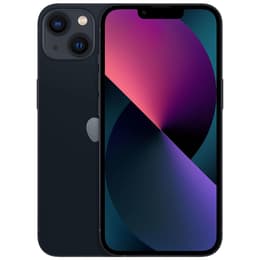
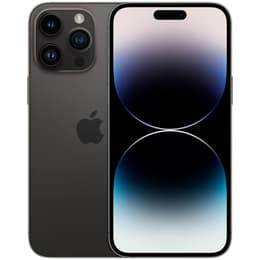

iPhone 13 • Unlocked vs iPhone 14 Pro Max • Locked AT&T

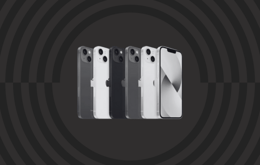
iPhone 13 • Unlocked
Starting at

Refurbished price:$226.00

Versus $629.00 new

See options
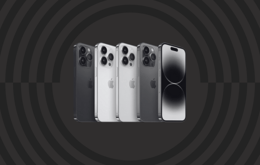
iPhone 14 Pro Max • Locked AT&T
Starting at

Refurbished price:$409.00

Versus $1,399.00 new

See options

Ratings

The iPhone 13, released in September 2021, and the iPhone 14 Pro Max, launched in September 2022, represent different tiers and generations within Apple's smartphone lineup. While both devices operate on the iOS platform, the iPhone 14 Pro Max introduces a larger form factor, a more advanced display, an upgraded camera system, and enhanced processing power. These distinctions cater to varying user preferences and needs, offering different experiences in terms of screen real estate, photographic capabilities, and overall performance.

Scores

Durability

When considering the long-term usability of these devices, several factors come into play, including their release timelines, software support, and physical resilience.

  • Release Timeline and Software Support: The iPhone 13 was released in September 2021, while the iPhone 14 Pro Max followed in September 2022. This one-year difference in release means the iPhone 14 Pro Max is likely to receive major iOS software updates for a longer period, potentially extending its functional lifespan by an additional year compared to the iPhone 13.
  • Build Materials and Durability: Both models feature a Ceramic Shield front cover, which offers enhanced drop performance. The iPhone 13 utilizes an aerospace-grade aluminum frame, while the iPhone 14 Pro Max features a more robust surgical-grade stainless steel frame. Both devices carry an IP68 rating for water and dust resistance, indicating they can withstand submersion in water up to 6 meters for 30 minutes.
  • Practical Lifespan: Users can expect both devices to remain capable and receive security updates for several years. The iPhone 14 Pro Max, being the newer device, offers a slightly longer projected period of official software support, which can be a consideration for users who keep their devices for an extended duration.

Release Year

2021

2022

Last OS Compatibility

Yes

Yes

OS

iOS

iOS

Foldable

No

No

Performance

The performance of a smartphone is crucial for daily operations, from launching applications to handling demanding tasks. These two models offer distinct levels of processing power and efficiency.

  • Processing Capabilities: The iPhone 13 is equipped with an earlier generation processor, providing smooth performance for everyday applications, multitasking, and moderate gaming. The iPhone 14 Pro Max features a later generation processor, which delivers more substantial performance gains, particularly noticeable in graphically intensive games, professional applications, and complex video editing tasks. This newer processor also contributes to improved power efficiency.
  • Multitasking and Responsiveness: The iPhone 13 comes with 4GB of RAM, which is sufficient for typical multitasking. The iPhone 14 Pro Max includes 6GB of RAM, allowing for more applications to remain active in the background and providing a generally more fluid and responsive experience when switching between multiple demanding apps.
  • Battery Behavior and Storage: The iPhone 14 Pro Max houses a larger battery (4323 mAh) compared to the iPhone 13 (3240 mAh), resulting in significantly longer battery life for heavy users. Real-world tests indicate the iPhone 14 Pro Max can offer several hours more usage on a single charge, with up to 29 hours of video playback compared to the iPhone 13's 19 hours. Both devices offer various internal storage options, with the iPhone 14 Pro Max additionally providing a 1TB option for users requiring extensive storage.

Memory (GB)

4 GB

6 GB

Screen quality

The display is a primary interface for smartphone interaction, and both models offer high-quality viewing experiences with notable differences.

  • Display Technology and Size: Both the iPhone 13 and iPhone 14 Pro Max feature Super Retina XDR OLED displays, known for deep blacks, high contrast, and vibrant colors. The iPhone 13 has a 6.1-inch display, offering a comfortable size for one-handed use and portability. The iPhone 14 Pro Max features a larger 6.7-inch display, providing an expansive viewing area ideal for media consumption, gaming, and productivity.
  • Refresh Rate and Brightness: The iPhone 13 features a standard 60Hz refresh rate, which provides a smooth experience for most content. The iPhone 14 Pro Max elevates this with ProMotion technology, offering an adaptive refresh rate that can scale from 1Hz to 120Hz. This results in noticeably smoother scrolling and more fluid animations. In terms of brightness, the iPhone 14 Pro Max offers higher peak brightness levels, reaching up to 2000 nits outdoors, making it more legible in direct sunlight compared to the iPhone 13's peak of 1200 nits.
  • Additional Display Features: The iPhone 14 Pro Max introduces the Always-On Display, which shows essential information on the lock screen without fully waking the device, and the Dynamic Island, an interactive area around the front camera cutout that adapts to alerts and background activities. These features are not present on the iPhone 13.

Resolution

1170 x 2532

1290 x 2796

Screen type

Super Retina XDR OLED

LTPO Super Retina XDR OLED

Audiovisual

The camera systems on both devices are capable, but the iPhone 14 Pro Max offers more advanced hardware and computational photography features.

  • Rear Camera System: The iPhone 13 features a dual-camera system with 12MP Wide and Ultra Wide lenses. The iPhone 14 Pro Max boasts a more comprehensive triple-camera system, including a 48MP Main sensor, a 12MP Ultra Wide lens, and a 12MP Telephoto lens, along with a LiDAR scanner. The larger 48MP main sensor on the iPhone 14 Pro Max allows for greater detail capture and improved low-light performance, often utilizing pixel-binning to produce high-quality 12MP images.
  • Photography and Video Capabilities: Both devices offer excellent everyday photography. The iPhone 14 Pro Max, with its dedicated telephoto lens, provides optical zoom capabilities (3x optical zoom in, 2x optical zoom out; 6x optical zoom range) that the iPhone 13 lacks. For video, the iPhone 14 Pro Max supports Cinematic mode up to 4K HDR at 30 frames per second and introduces Action mode for smoother handheld video, while the iPhone 13's Cinematic mode is limited to 1080p at 30 frames per second.
  • Audio and Media Consumption: Both models provide stereo speakers for an immersive audio experience during media playback. While specific microphone quality can vary, both are designed to capture clear audio for calls and video recordings.

Main camera

12 megapixels

48 megapixels

Front camera

12 megapixels

12 megapixels

Miscellaneous

Beyond the core features, several practical elements differentiate these two smartphones, impacting daily convenience and user interaction.

  • Connectivity Options: Both the iPhone 13 and iPhone 14 Pro Max support 5G cellular connectivity, offering fast data speeds where available. They also support Wi-Fi 6 for efficient wireless networking. A notable addition to the iPhone 14 Pro Max is emergency satellite connectivity, allowing users to send messages in areas without cellular service. The iPhone 13 uses Bluetooth 5.0, while the iPhone 14 Pro Max features the slightly newer Bluetooth 5.3, potentially offering minor improvements in efficiency and connection stability.
  • Physical Design and Handling: The iPhone 13 is a more compact device, measuring 146.7 x 71.5 x 7.65 mm and weighing 174 grams, making it easier for one-handed use and pocketability. The iPhone 14 Pro Max is significantly larger and heavier at 160.7 x 77.6 x 7.9 mm and 240 grams, which can be a factor for users preferring a lighter or smaller device. Both devices continue to use the Lightning port for charging and data transfer.
  • Sensors and Biometrics: Both models incorporate Face ID for secure facial recognition. They also include a standard suite of sensors such as an accelerometer, gyroscope, proximity sensor, compass, and barometer, which enable various features and applications.

Weight

6 oz

8 oz

Screen size (inches)

6.1

6.7

Network

5G

5G

SIM card

Physical SIM + eSIM

eSIM

Carrier compatibility

Unlocked

AT&T

Connector

Lightning

Lightning

The iPhone 13 and iPhone 14 Pro Max cater to different user priorities, reflecting their distinct positions in Apple's product evolution. Users frequently praise the iPhone 13 for its balanced performance, comfortable size, and capable camera system, making it a reliable choice for general use. Its battery life is generally considered good for a device of its size, though heavy users might find themselves needing to charge it more frequently.

The iPhone 14 Pro Max, on the other hand, often receives acclaim for its expansive and vibrant display, which includes advanced features like ProMotion and the Dynamic Island. Users consistently highlight its exceptional battery life, often lasting through extended periods of heavy use, and its professional-grade camera system, which offers significant improvements in detail and versatility. Some users, however, may find its larger size and weight less convenient for one-handed operation or portability.

Users prioritizing a more compact device with solid performance for everyday tasks and a capable camera will find the iPhone 13 well-suited to their needs. Conversely, users who value a large, feature-rich display, extended battery endurance, and advanced photographic capabilities will likely lean towards the iPhone 14 Pro Max. Both models offer a robust iOS experience, and choosing between them often comes down to individual preferences regarding size, display technology, and camera features. For those seeking a sustainable choice, both devices are available as quality-assured refurbished options, providing an eco-friendly alternative to purchasing new.

See all articles

Our recent comparisons