

iPhone 13 • Unlocked vs OnePlus 10 Pro • Unlocked

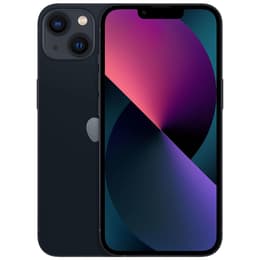
iPhone 13 • Unlocked
Starting at

Refurbished price:$226.00

Versus $629.00 new

See options
OnePlus 10 Pro • Unlocked
Starting at

Refurbished price:$369.00

Versus $999.00 new

See options

Ratings

The iPhone 13 and the OnePlus 10 Pro are two distinct smartphones that entered the market in late 2021 and early 2022, respectively. The iPhone 13, released in September 2021, operates on Apple's iOS ecosystem, while the OnePlus 10 Pro, launched globally in March 2022, runs on Android with OnePlus's OxygenOS overlay. These devices offer different approaches to smartphone design and functionality, with key differentiators lying in their display technology, camera systems, and software philosophies.

Scores

Durability

When considering the long-term usability of a smartphone, factors like software support and physical resilience are important. Both devices offer a substantial lifespan, though their approaches to updates and durability differ.

  • Software Longevity: The iPhone 13, released in 2021, is expected to receive major iOS updates until approximately 2028, with security patches potentially extending beyond that period, offering a long software support window. The OnePlus 10 Pro, launched in 2022, typically receives three major Android OS updates and four years of security updates from its release, meaning its official software support is likely to continue until around Android 15 or 16, with security updates extending to 2026.
  • Physical Durability: The iPhone 13 features a Ceramic Shield front cover and an IP68 rating for dust and water resistance, contributing to its resilience against everyday elements. The OnePlus 10 Pro utilizes Gorilla Glass Victus for its display protection and includes a water-protective gasket in its SIM tray, though it lacks an official IP rating. Notably, the OnePlus 10 Pro faced scrutiny for its structural integrity after a durability test showed it could snap in half under significant bending force, a concern not typically associated with the iPhone 13.
  • Repairability: The iPhone 13 received an iFixit repairability score of 5/10, which later improved to 6/10 with a software update addressing Face ID issues related to screen replacements. The OnePlus 10 Pro generally scores around 6/10 or 8/10 for repairability, with some components like the battery and screen being accessible, though adhesive use can complicate repairs.

Release Year

2021

2022

Last OS Compatibility

Yes

Yes

OS

iOS

Android

Foldable

No

No

Performance

The performance of these devices is driven by their respective internal components, influencing how smoothly they handle applications, multitasking, and demanding tasks.

  • Processing Power: The iPhone 13 is equipped with a powerful processor that ensures smooth operation across iOS, handling demanding applications and graphics-intensive games with ease. This hardware is optimized for Apple's software, providing consistent responsiveness. The OnePlus 10 Pro features a current-generation Android processor designed for high performance, allowing for fluid multitasking and efficient handling of complex applications and gaming.
  • Battery Behavior: The iPhone 13 offers significantly improved battery life compared to its predecessor, often lasting a full day or more for many users, with some tests showing over 10 hours of continuous use. The OnePlus 10 Pro houses a larger battery capacity, providing excellent endurance that frequently extends beyond a single day of typical usage, with test results often exceeding 11-12 hours of screen-on time. It also supports very fast wired and wireless charging.
  • Storage and Multitasking: The iPhone 13 comes with storage options up to 512GB and includes sufficient memory to manage multiple applications efficiently within the iOS environment. The OnePlus 10 Pro offers storage up to 256GB and features higher RAM configurations, which can benefit users who frequently switch between many applications or engage in intensive multitasking on the Android platform.

Memory (GB)

4 GB

12 GB

Screen quality

The visual experience on both smartphones is a key aspect, with each device offering a high-quality display tailored to its ecosystem.

  • Display Technology and Clarity: The iPhone 13 features a 6.1-inch Super Retina XDR OLED display, providing deep blacks, vibrant colors, and excellent contrast. Its resolution delivers sharp and detailed images for everyday viewing. The OnePlus 10 Pro boasts a larger 6.7-inch Fluid AMOLED display with LTPO 2.0 technology, offering a higher resolution for exceptional clarity and detail.
  • Brightness and Refresh Rate: The iPhone 13's display reaches a typical brightness of 800 nits and a peak of 1200 nits for HDR content, ensuring good visibility in various lighting conditions. It operates at a standard 60Hz refresh rate. The OnePlus 10 Pro's screen offers a peak brightness of 1300 nits and features an adaptive refresh rate that dynamically scales from 1Hz to 120Hz, providing smoother scrolling and animations while optimizing power consumption.
  • Viewing Experience: The iPhone 13's display is well-suited for users who prefer a more compact device with consistent visual quality. The OnePlus 10 Pro's larger, curved display and higher refresh rate offer an expansive and fluid viewing experience, particularly beneficial for media consumption and gaming.

Resolution

1170 x 2532

1440 x 3216

Screen type

Super Retina XDR OLED

LTPO2 Fluid AMOLED

Audiovisual

Both smartphones provide capable camera systems, but they approach photography and videography with different strengths and features.

  • Rear Camera Systems: The iPhone 13 features a dual-camera setup with 12MP wide and ultrawide lenses, including sensor-shift optical image stabilization on the wide lens for improved low-light performance and stability. The OnePlus 10 Pro offers a versatile triple-camera system, co-developed with Hasselblad, comprising a 48MP main sensor, a 50MP ultrawide lens (including a 150-degree option), and an 8MP telephoto lens for optical zoom.
  • Photography Performance: The iPhone 13 is known for its consistent image quality, accurate color reproduction, and strong performance in various lighting conditions, particularly with its enhanced low-light capabilities. The OnePlus 10 Pro aims for a unique photographic experience with its Hasselblad partnership, offering features like 10-bit image capture and specific color calibration. User feedback suggests its camera is good, but some find it inconsistent compared to top-tier flagships, with occasional issues like over-sharpening or color differences between lenses.
  • Video Recording and Audio: Both devices are capable of high-quality video recording. The iPhone 13 offers features like Cinematic mode for depth-of-field effects in videos. The OnePlus 10 Pro also provides strong video capabilities. For audio, both phones deliver clear microphone quality for calls and recordings, and offer stereo speakers for an immersive media consumption experience.

Main camera

12 megapixels

48 megapixels

Front camera

12 megapixels

32 megapixels

Miscellaneous

Beyond the core features, several practical elements contribute to the overall user experience and differentiate these two devices.

  • Connectivity and Ports: Both smartphones support 5G connectivity, along with modern Wi-Fi standards (Wi-Fi 6) and Bluetooth for wireless accessories. The iPhone 13 uses Apple's proprietary Lightning port for charging and data transfer. The OnePlus 10 Pro features a USB-C port, offering broader compatibility with accessories.
  • Biometric Security: The iPhone 13 relies on Face ID for secure facial recognition and authentication. The OnePlus 10 Pro incorporates an in-display optical fingerprint sensor for quick and convenient unlocking.
  • Design and Handling: The iPhone 13 has a flat-edged design, weighing around 173-174 grams and measuring 7.65 mm in thickness. The OnePlus 10 Pro is a larger device, weighing approximately 200 grams and measuring 8.55-8.9 mm thick, with a curved display that some users find comfortable to hold. The build materials for both include glass backs, with the iPhone 13 featuring Ceramic Shield on the front and the OnePlus 10 Pro using Gorilla Glass Victus.

Weight

6 oz

7 oz

Screen size (inches)

6.1

6.7

Network

5G

5G

SIM card

Physical SIM + eSIM

Physical SIM

Carrier compatibility

Unlocked

Unlocked

The iPhone 13 and OnePlus 10 Pro cater to different user preferences, each excelling in specific areas. User feedback often highlights the iPhone 13's consistent performance, reliable camera, and exceptional software longevity as key strengths. Many users appreciate its improved battery life over previous iPhone models. Criticisms are less frequent but sometimes point to its 60Hz display as a potential drawback compared to higher refresh rate competitors.

The OnePlus 10 Pro is frequently praised for its stunning, high-refresh-rate display, very fast charging capabilities, and generally strong battery life. Its performance is often described as smooth, and the camera system, while not universally considered best-in-class, offers unique features and good results for many. However, some users have reported inconsistencies with the camera, potential heating issues with its processor, and a notable concern regarding its structural durability. Some long-term users have also noted a decline in performance over time.

Users prioritizing a compact device with long-term software support, a highly optimized ecosystem, and consistent camera performance may find the iPhone 13 well-suited to their needs. Conversely, those who value a larger, high-refresh-rate display, extremely fast charging, and a more customizable Android experience might lean towards the OnePlus 10 Pro. Both devices offer a robust smartphone experience, and for those seeking a quality-assured refurbished option, both models are available, providing an eco-friendly alternative to new purchases.

See all articles

Our recent comparisons