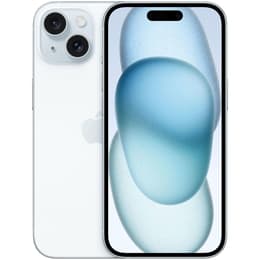
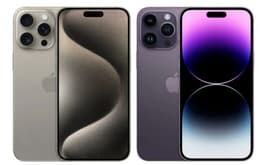
iPhone 14 Pro Max • Unlocked vs iPhone 15 • Locked T-Mobile

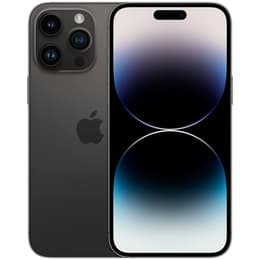
iPhone 14 Pro Max • Unlocked
Starting at

Refurbished price:$414.99

Versus $1,099.00 new

See options
iPhone 15 • Locked T-Mobile
Starting at

Refurbished price:$379.00

Versus $699.00 new

See options

Ratings

The iPhone 14 Pro Max, released in September 2022, and the iPhone 15, launched in September 2023, represent different tiers within Apple's smartphone lineup. While both devices operate on the iOS platform and share some core technologies, the 14 Pro Max offers a larger, more advanced display and a dedicated telephoto camera, whereas the iPhone 15 introduces the versatile USB-C port and a more compact design.

Scores

Durability

When considering the practical lifespan of these devices, several factors come into play, including their release timelines, software support, and physical durability.

  • Release Timeline: The iPhone 14 Pro Max was released in September 2022, making it a year older than the iPhone 15, which launched in September 2023. This difference means the iPhone 15 will likely receive major iOS updates for approximately one year longer than the 14 Pro Max. [12]
  • Software Longevity: Apple typically provides 5-7 years of major iOS updates and extended security patches for its iPhones. [12, 13, 25, 26] The iPhone 14 Pro Max, initially running iOS 16, is currently on iOS 26.4, while the iPhone 15, starting with iOS 17, is also on iOS 18.x and is expected to receive updates until around 2035. [4, 6, 7, 12, 15]
  • Durability and Repairability: Both models feature Ceramic Shield front covers and an IP68 rating for dust and water resistance. [1, 3, 6, 9, 20, 38] The iPhone 15's design allows for easier and potentially less costly back glass repairs compared to its predecessor. [27]

Release Year

2022

2023

Last OS Compatibility

Yes

Yes

OS

iOS

iOS

Foldable

No

No

Performance

Both the iPhone 14 Pro Max and the iPhone 15 deliver robust performance for daily tasks, though their underlying hardware configurations have some distinctions.

  • Processor Capabilities: The iPhone 15 utilizes the A16 Bionic chip, which was first introduced in the iPhone 14 Pro Max. [1, 6, 17, 20] This means both devices offer comparable processing power, handling demanding applications and multitasking smoothly. [1]
  • System Responsiveness: With the same generation of processor and 6GB of RAM, both phones provide a fluid user experience, ensuring quick app launches and efficient navigation through the operating system. [1, 6, 9, 17]
  • Storage Options: The iPhone 14 Pro Max was available with storage capacities up to 1TB, catering to users with extensive storage needs. [5, 9, 17] The iPhone 15 offers storage options up to 512GB. [6, 8, 17]
  • Battery Behavior: The iPhone 14 Pro Max, with its larger battery capacity, generally offers longer battery life, rated for up to 29 hours of video playback. [1, 18] The iPhone 15 provides up to 20 hours of video playback. [1]

Memory (GB)

6 GB

6 GB

Screen quality

The visual experience on these two iPhones differs primarily in screen size and refresh rate technology.

  • Display Technology and Size: The iPhone 14 Pro Max features a larger 6.7-inch OLED display, while the iPhone 15 has a 6.1-inch OLED display. [1, 3, 6, 9, 20] Both displays offer vibrant colors, deep blacks, and a resolution of approximately 460 pixels per inch, ensuring sharp visuals. [1, 3, 6, 9, 20]
  • Refresh Rate: A key difference is the refresh rate; the iPhone 14 Pro Max boasts a 120Hz ProMotion display, which dynamically adjusts for smoother scrolling and more responsive interactions. [1, 9, 11, 20] The iPhone 15 maintains a standard 60Hz refresh rate. [1, 6, 20, 29]
  • Brightness and Features: Both models feature high peak brightness levels, reaching up to 2000 nits for outdoor visibility. [1, 11, 19] They also both incorporate the Dynamic Island, which integrates alerts and background activities into an interactive area at the top of the screen. [1, 8, 11, 32]

Resolution

1290 x 2796

1179 x 2556

Screen type

LTPO Super Retina XDR OLED

Super Retina XDR OLED

Audiovisual

The camera systems on the iPhone 14 Pro Max and iPhone 15 offer distinct capabilities, particularly concerning zoom and lens configurations.

  • Rear Camera System: The iPhone 14 Pro Max features a triple-lens setup, including a 48MP main sensor, a 12MP ultrawide lens, and a dedicated 12MP telephoto lens capable of 3x optical zoom. [1, 9, 20, 22] The iPhone 15 has a dual-lens system with a 48MP main sensor and a 12MP ultrawide lens, utilizing the main sensor for a 2x optical quality zoom. [1, 6, 8, 20]
  • Photography Performance: Both devices excel in everyday photography with their 48MP main sensors, capturing detailed images. The 14 Pro Max's dedicated telephoto lens provides more versatile optical zoom options. [1, 22] Both offer strong low-light performance. [24]
  • Video Recording and Audio: Both phones support 4K video recording at various frame rates, including Cinematic mode. [9] They also feature quality microphones for clear audio capture during calls and video recording, and stereo speakers for media consumption. [9]

Main camera

48 megapixels

48 megapixels

Front camera

12 megapixels

12 megapixels

Miscellaneous

Beyond core performance and display, several practical elements differentiate the user experience between these two iPhone models.

  • Connectivity and Ports: Both devices support 5G and current Wi-Fi standards. [6, 9] A significant distinction is the charging port: the iPhone 14 Pro Max uses Apple's proprietary Lightning port, while the iPhone 15 has transitioned to a USB-C port. [1, 8, 10, 20, 32, 38] However, the USB-C port on the standard iPhone 15 operates at USB 2.0 speeds, similar to Lightning. [27]
  • Biometric Security: Both models rely on Face ID for secure authentication and unlocking. [14, 15]
  • Physical Design: The iPhone 14 Pro Max is a larger and heavier device, weighing 240g with a stainless steel frame. [1, 9, 15, 20] The iPhone 15 is more compact and lighter at 171g, featuring an aluminum frame and a color-infused glass back. [1, 6, 20, 32] The 14 Pro Max has sharper edges, while the 15 has slightly more rounded edges, which some users find more comfortable to hold. [10, 38]

Weight

8 oz

171 oz

Screen size (inches)

6.7

6.1

Network

5G

5G

SIM card

eSIM

eSIM

Carrier compatibility

Unlocked

T-Mobile

Connector

Lightning

USB-C (USB 2)

The iPhone 14 Pro Max and iPhone 15 cater to slightly different user preferences, each offering a compelling set of features. Users often praise the iPhone 14 Pro Max for its expansive 120Hz ProMotion display and its dedicated telephoto camera, which provides greater flexibility for photography. Its larger battery capacity is also frequently highlighted as a significant advantage for heavy users. Some criticisms of the 14 Pro Max include its considerable size and weight, which can make one-handed use challenging for some individuals. [1, 2, 11, 20]

Conversely, the iPhone 15 is often lauded for its more manageable size and lighter build, making it more comfortable to hold and carry. The adoption of the USB-C port is a welcome change for many, simplifying charging and connectivity with other devices. [1, 8, 10, 20, 32] However, common criticisms of the standard iPhone 15 include its 60Hz display, which some users find less fluid than higher refresh rate screens, and the absence of a dedicated telephoto lens. Some users have also noted that the standard iPhone 15's battery life, while sufficient for many, does not match the endurance of the larger Pro Max models. [1, 29, 35]

Users prioritizing a larger, smoother display and a more versatile camera system with optical zoom capabilities may find the iPhone 14 Pro Max better suited to their needs. Those who value a more compact and lighter device, the convenience of USB-C connectivity, and a slightly newer release for extended software support will likely lean towards the iPhone 15. Both devices offer a quality-assured refurbished option, providing an eco-friendly alternative for consumers.

See all articles

Our recent comparisons