
iPhones
Compare models
Differences at a glance
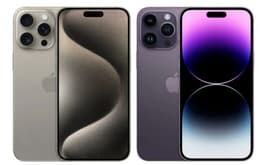
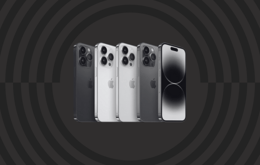
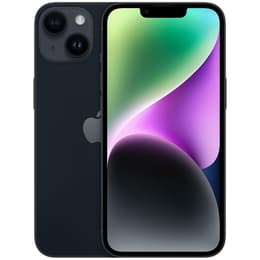
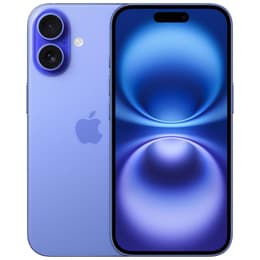
The iPhone 14, released in September 2022, and the iPhone 16, launched in September 2024, represent two distinct generations within Apple's smartphone lineup. While both devices operate on Apple's iOS platform, the iPhone 16 introduces advancements in processing power, camera capabilities, and user interaction features, building upon the established foundation of its predecessor.
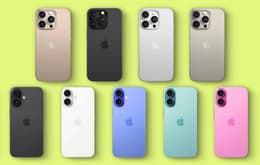
Color
Storage
Evaluating the practical lifespan of these devices involves considering their release timelines, software support, and repairability.
Release Year
Last OS Compatibility
Foldable
Performance is a key differentiator, with the newer iPhone 16 offering a more advanced internal architecture compared to the iPhone 14.
Both devices offer high-quality displays, but the iPhone 16 introduces subtle refinements to the viewing experience.
Resolution
Screen type
The camera systems on both iPhones are designed for high-quality photography, with the iPhone 16 bringing notable enhancements.
Main camera
Front camera
Beyond core specifications, several practical elements contribute to the overall user experience of each device.
Weight
Screen size (inches)
Network
SIM card
Carrier compatibility
Connector
The iPhone 14 and iPhone 16 cater to users with varying priorities, reflecting Apple's iterative approach to smartphone development. Users often praise the iPhone 14 for its reliable performance, robust camera for everyday use, and established ecosystem. Its battery life is generally considered sufficient for a full day of use. However, some users have expressed concerns regarding its repairability due to software-related limitations on parts replacement.
The iPhone 16, as a newer model, has been well-received for its significant performance boost, particularly with the integration of Apple Intelligence features, and its enhanced camera system, including the new Capture Button and improved low-light capabilities. Users appreciate the adoption of USB-C and the inclusion of the Action button, which adds practical utility. Its extended battery life is also a frequently highlighted positive. Some feedback notes that the standard iPhone 16 models still retain a standard refresh rate display, which some users might find less fluid compared to higher refresh rate alternatives.
Users prioritizing a device with a proven track record for solid performance, a capable camera, and a slightly more accessible entry point into the Apple ecosystem may find the iPhone 14 well-suited to their needs. Conversely, those who value the latest advancements in processing power, camera technology, AI integration, and modern connectivity standards like USB-C and Wi-Fi 7 will likely lean towards the iPhone 16. The iPhone 16 is also a strong choice for users seeking longer software support and improved battery longevity. For those considering either model, exploring quality-assured refurbished options can provide an eco-friendly alternative, extending the life cycle of these devices while offering a sustainable choice.