
iPhone 12 • Unlocked vs iPhone 13 Pro • Unlocked

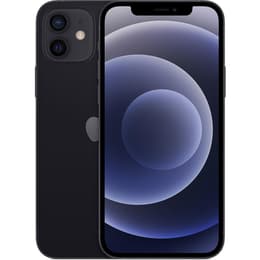
iPhone 12 • Unlocked
Starting at

Refurbished price:$172.96

Versus $629.00 new

See options
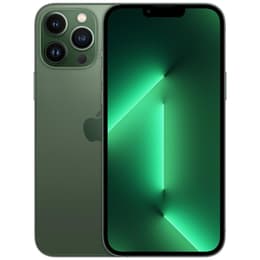
iPhone 13 Pro • Unlocked
Starting at

Refurbished price:$299.99

Versus $899.00 new

See options

Ratings

The iPhone 12, released in October 2020, and the iPhone 13 Pro, launched in September 2021, represent different tiers and generations within Apple's smartphone lineup. While both devices operate on the iOS platform and share a similar design language, the iPhone 13 Pro introduces notable advancements in its camera system, display technology, and overall battery performance. These distinctions cater to varying user needs and priorities.

Scores

Durability

Evaluating the practical lifespan of these devices involves considering their release timelines, software support, and physical resilience.

  • Release Timeline: The iPhone 12 was introduced in late 2020, making it approximately one year older than the iPhone 13 Pro, which debuted in late 2021. This difference means the iPhone 13 Pro will likely receive major iOS software updates for a longer period, extending its software longevity by about a year.
  • Software Support: Both models benefit from Apple's consistent software update policy. The iPhone 12, having launched with iOS 14, is expected to receive major OS updates for several more years, potentially until 2027 or 2028. The iPhone 13 Pro, starting with iOS 15, will consequently maintain official software support for an additional year beyond that of the iPhone 12.
  • Physical Durability: Both devices feature a Ceramic Shield front cover, which offers enhanced drop performance compared to previous iPhone models. They also share an IP68 rating for water and dust resistance, meaning they can withstand submersion in up to 6 meters of water for up to 30 minutes.

Release Year

2020

2021

Last OS Compatibility

Yes

Yes

OS

iOS

iOS

Foldable

No

No

Performance

The processing power and efficiency of a smartphone directly impact its responsiveness and capability to handle demanding applications.

  • Processing Power: The iPhone 12 is equipped with a capable processor that handles everyday tasks, app launches, and general multitasking smoothly. For typical usage, users will find it responsive and efficient.
  • Enhanced Responsiveness: The iPhone 13 Pro features a newer generation processor with an additional graphics core, providing a noticeable boost in performance, particularly for graphics-intensive applications and advanced gaming. This results in smoother frame rates and quicker rendering in demanding scenarios.
  • Multitasking and Efficiency: The iPhone 13 Pro also includes more internal memory, which contributes to more fluid multitasking and better retention of background applications. This allows for a more seamless experience when switching between multiple open apps.

Memory (GB)

4 GB

6 GB

Screen quality

The visual experience is a key differentiator, with both devices offering high-quality displays but with distinct enhancements.

  • Display Technology and Clarity: Both the iPhone 12 and iPhone 13 Pro feature 6.1-inch Super Retina XDR OLED displays, delivering vibrant colors, deep blacks, and excellent contrast. They share a similar resolution, resulting in sharp text and clear images.
  • Brightness Levels: The iPhone 13 Pro offers a higher typical maximum brightness of 1000 nits, compared to the iPhone 12's 625 nits. Both can reach a peak brightness of 1200 nits when displaying HDR content. The increased typical brightness on the iPhone 13 Pro improves visibility in bright outdoor conditions.
  • Refresh Rate: A significant difference lies in the refresh rate. The iPhone 12 has a standard 60Hz refresh rate. The iPhone 13 Pro, however, features ProMotion technology, offering an adaptive refresh rate that can dynamically adjust from 10Hz to 120Hz. This provides a smoother and more fluid scrolling experience and more responsive interactions, while also conserving battery life when a high refresh rate is not needed.

Resolution

1170 x 2532

1170 x 2532

Screen type

Super Retina XDR OLED

Super Retina XDR OLED

Audiovisual

The camera systems on both iPhones are capable, but the iPhone 13 Pro introduces several advanced features and hardware improvements.

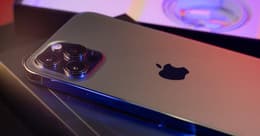
  • Rear Camera System: The iPhone 12 features a dual 12-megapixel camera system with a Wide and an Ultra-Wide lens. The iPhone 13 Pro upgrades to a triple 12-megapixel system, adding a Telephoto lens for optical zoom. The Wide and Ultra-Wide cameras on the iPhone 13 Pro also have larger sensors and wider apertures, allowing them to capture more light.
  • Photography Features: The iPhone 13 Pro significantly enhances photographic capabilities with features like sensor-shift optical image stabilization on the Wide camera, improved low-light performance across all lenses, macro photography using the Ultra-Wide lens, and Photographic Styles for personalized image looks. Both support Night mode.
  • Video Capabilities: While both can record 4K video with Dolby Vision HDR, the iPhone 13 Pro introduces Cinematic Mode, which allows for shallow depth-of-field effects and automatic focus transitions in videos. It also supports ProRes video recording, offering more control for professional video editors, though this feature has storage limitations on the base model.

Main camera

12 megapixels

12 megapixels

Front camera

12 megapixels

12 megapixels

Miscellaneous

Beyond core features, several practical elements contribute to the overall user experience and device utility.

  • Battery Performance: The iPhone 13 Pro offers a notable improvement in battery life compared to the iPhone 12. Users often report the iPhone 13 Pro lasting a full day or more with heavy usage, while the iPhone 12's battery life is generally considered average, especially when utilizing 5G connectivity.
  • Connectivity and Ports: Both devices support 5G cellular connectivity, Wi-Fi 6, and Bluetooth 5.0. The iPhone 13 Pro includes support for more 5G bands, potentially offering broader coverage in some regions. Both models utilize Apple's Lightning port for charging and data transfer.
  • Physical Characteristics: The iPhone 12 measures 146.7 x 71.5 x 7.4 mm and weighs 162 grams. The iPhone 13 Pro is slightly thicker and heavier at 146.7 x 71.5 x 7.65 mm and 204 grams, a difference that can be noticeable in hand.

Weight

7 oz

6 oz

Screen size (inches)

6.1

6.1

Network

5G

5G

SIM card

Physical SIM + eSIM

Physical SIM + eSIM

Carrier compatibility

Unlocked

Unlocked

Connector

Lightning

Lightning

The iPhone 12 and iPhone 13 Pro both offer robust smartphone experiences, but they cater to slightly different user expectations. Users generally praise the iPhone 12 for its solid performance, vibrant OLED display, and capable camera system for everyday photography. However, some users have noted that its battery life can be a concern, particularly with consistent 5G usage.

The iPhone 13 Pro, on the other hand, is frequently lauded for its significantly improved battery life, which often allows it to last through a full day of intensive use. Its advanced camera system, including features like macro photography and Cinematic Mode, receives high praise from those who prioritize mobile photography and videography. The smoother ProMotion display is also a commonly highlighted benefit, enhancing the overall user interaction.

For users who prioritize extended battery life, a more versatile camera system with advanced features, and a smoother display experience, the iPhone 13 Pro aligns well with those needs. It is particularly suited for mobile content creators, avid photographers, or individuals who demand the utmost fluidity from their device. Conversely, the iPhone 12 remains a capable device for general daily use, social media, and casual photography, especially for those who do not require the latest camera innovations or the highest display refresh rates. When considering either model, exploring quality-assured refurbished options can provide an eco-friendly alternative.

See all articles

Our recent comparisons