
iPhone 15 Plus • Unlocked vs iPhone 16 Plus • Unlocked

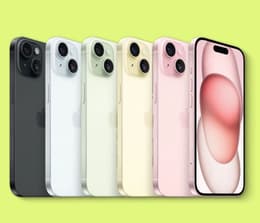
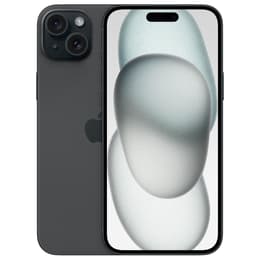
iPhone 15 Plus • Unlocked
Starting at

Refurbished price:$394.00

Versus $829.00 new

See options
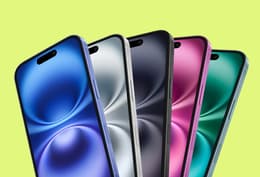
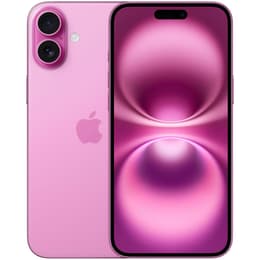
iPhone 16 Plus • Unlocked
Starting at

Refurbished price:$575.98

Versus $829.00 new

See options

Ratings

The iPhone 15 Plus, released in September 2023, and the iPhone 16 Plus, launched in September 2024, represent two consecutive generations of Apple's larger-screen smartphone offerings. While both devices share a similar design philosophy and operate on Apple's iOS platform, the iPhone 16 Plus introduces an updated internal processor, enhanced camera capabilities, and newer connectivity standards that distinguish it from its predecessor.

Scores

Durability

Both the iPhone 15 Plus and iPhone 16 Plus are built with durability in mind, featuring Ceramic Shield front covers and IP68 ratings for water and dust resistance. Their practical lifespan is largely influenced by software support and physical resilience.

  • Software Longevity: The iPhone 16 Plus, being a year newer, is expected to receive major iOS updates for a longer duration than the iPhone 15 Plus, typically extending its software support by an additional year. The iPhone 15 Plus launched with iOS 17 and is compatible with iOS 18 and iOS 26. The iPhone 16 Plus launched with iOS 18 and features Apple Intelligence.
  • Physical Durability: Both models incorporate Ceramic Shield for enhanced screen protection and maintain an IP68 rating, indicating resistance to submersion in water up to 6 meters for 30 minutes.
  • Expected Lifespan: Users can anticipate several years of reliable performance and software updates from either device, with the iPhone 16 Plus offering a slightly extended period of official support due to its later release.

Release Year

2023

2024

Last OS Compatibility

Yes

Yes

Foldable

No

No

Performance

The performance of these devices is driven by their respective internal components, impacting everything from app responsiveness to demanding tasks like gaming and advanced computational photography.

  • Processing Power: The iPhone 15 Plus is equipped with a capable processor that handles everyday applications and multitasking smoothly, providing a responsive user experience. The iPhone 16 Plus features a newer generation processor, offering enhanced capabilities for more intensive applications, complex multitasking, and advanced AI features.
  • Multitasking and Storage: The iPhone 15 Plus comes with 6GB of RAM, while the iPhone 16 Plus features 8GB of RAM. This difference in memory allows the iPhone 16 Plus to manage more applications simultaneously and handle larger datasets with greater efficiency. Both models offer storage options of 128GB, 256GB, and 512GB.
  • Real-world Usage: Users of the iPhone 15 Plus report a lag-free experience for general use and gaming. The iPhone 16 Plus builds on this, providing a noticeable performance uplift, particularly with new software features and more demanding tasks, ensuring it remains fast and efficient for a longer period.

Memory (GB)

6 GB

8 GB

Screen quality

Both iPhone Plus models feature large, vibrant displays, offering an immersive viewing experience for media consumption and daily interactions.

  • Display Technology and Size: Both the iPhone 15 Plus and iPhone 16 Plus feature a 6.7-inch Super Retina XDR OLED display with a resolution of 2796x1290 pixels and a pixel density of approximately 460 pixels per inch. This technology delivers deep blacks, high contrast, and vibrant colors.
  • Brightness and Clarity: Both devices offer a typical maximum brightness of 1000 nits, a peak HDR brightness of 1600 nits, and a peak outdoor brightness of 2000 nits. This ensures excellent visibility even in bright outdoor conditions.
  • Refresh Rate: A key point of commonality and user discussion is the 60Hz refresh rate on both the iPhone 15 Plus and iPhone 16 Plus. While this provides a smooth experience for most users, those accustomed to higher refresh rates on other devices might notice a difference in scrolling fluidity.

Resolution

1290 x 2796

1290 x 2796

Screen type

Super Retina XDR OLED

Super Retina XDR OLED

Audiovisual

The camera systems on the iPhone 15 Plus and iPhone 16 Plus are designed to capture high-quality photos and videos, with the newer model introducing some refinements.

  • Main Camera System: Both phones feature an advanced dual-camera system with a 48MP main sensor (f/1.6 aperture) and a 12MP ultrawide lens. The 48MP main camera on both models utilizes pixel binning to produce detailed 24MP photos by default and offers 2x optical-quality telephoto zoom through sensor cropping.
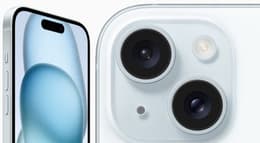
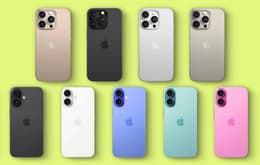
  • Photography Enhancements: The iPhone 16 Plus introduces a vertically aligned camera setup and a new Camera Control button, potentially offering more intuitive photographic control. Both models benefit from features like Photonic Engine, Deep Fusion, and Smart HDR for improved image processing.
  • Video Recording and Front Camera: Both devices support 4K Dolby Vision video recording at various frame rates. The front-facing camera on both is a 12MP sensor, capable of high-quality selfies and video calls.

Main camera

48 megapixels

48 megapixels

Front camera

12 megapixels

12 megapixels

Miscellaneous

Beyond core specifications, several practical elements contribute to the overall user experience and differentiate these two iPhone Plus models.

  • Connectivity and Ports: Both the iPhone 15 Plus and iPhone 16 Plus feature a USB-C port. However, the iPhone 15 Plus supports USB 2.0 speeds, while the iPhone 16 Plus is expected to offer USB 3.0 speeds, allowing for faster data transfers. The iPhone 15 Plus supports Wi-Fi 6, whereas the iPhone 16 Plus upgrades to Wi-Fi 7, offering potentially faster and more reliable wireless connections. Both include Bluetooth 5.3.
  • Physical Design and Features: The iPhone 16 Plus introduces the Action Button, a customizable physical button previously found on Pro models. Both devices retain the Dynamic Island for interactive alerts and activities. The weight of the iPhone 15 Plus is 201 grams, while the iPhone 16 Plus is slightly lighter at 199 grams.
  • Additional Technologies: The iPhone 16 Plus incorporates Thread networking technology, enhancing its smart home integration capabilities. Both models feature Face ID for secure authentication and a second-generation Ultra Wideband chip for improved spatial awareness.

Weight

201 oz

7030 oz

Screen size (inches)

6.7

6.7

Network

5G

5G

SIM card

eSIM

eSIM

Carrier compatibility

Unlocked

Unlocked

Connector

USB-C (USB 2)

USB-C (USB 2)

User sentiment for the iPhone 15 Plus often highlights its exceptional battery life, with many reporting it lasts through a full day of heavy use and sometimes even two days for moderate users. Its camera system is generally praised for daily use, though some users note it may not match the low-light performance of some competing devices. A frequent point of discussion and occasional criticism for the iPhone 15 Plus is its 60Hz display, which some users find less fluid compared to devices with higher refresh rates.

For the iPhone 16 Plus, initial user feedback often centers on its enhanced performance, particularly with the introduction of new AI capabilities. The improved camera system and the addition of the Action Button are also well-received. Similar to its predecessor, the 60Hz refresh rate remains a notable point for some users, especially those coming from devices with smoother displays.

Users prioritizing extended battery life and a robust, reliable smartphone for everyday tasks will find the iPhone 15 Plus to be a strong contender. Its performance remains highly capable for most applications. Conversely, individuals seeking the latest processing power, advanced AI features, and improved connectivity standards, along with the convenience of the Action Button, may find the iPhone 16 Plus better suited to their needs. Both devices offer a solid experience within the Apple ecosystem. For those considering either model, exploring quality-assured refurbished options can provide an eco-friendly alternative.

See all articles

Our recent comparisons