

Compare models
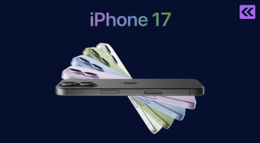
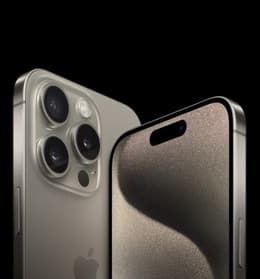
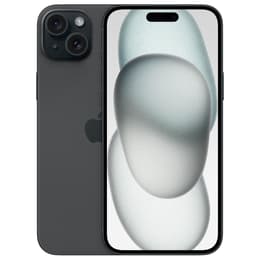
iPhone 15 Plus • Unlocked vs iPhone 17 • Unlocked
- 1-year warranty
- Free standard shipping
- Free 30-day returns
Differences at a glance
The iPhone 15 Plus (2023) and the iPhone 17 (2025) represent two different generations and physical sizes within Apple's smartphone lineup. While the iPhone 15 Plus focuses on a larger screen format and established hardware, the iPhone 17 introduces a newer generational platform, higher refresh rate visuals, and updated internal capabilities in a more compact build. Both devices run on iOS and share core ecosystem features, though they cater to divergent user preferences regarding display size and hardware generation.
Available Models
Color
Storage (GB)
Scores
Durability
When evaluating the lifespan and durability of these devices, differences in their release timelines and hardware generations play a major role in software support longevity and everyday resilience.
- Release timeline and hardware age: The iPhone 17 benefits from a two-year newer release date, meaning its software support window extends further into the future compared to the iPhone 15 Plus.
- Repairability and build resilience: Both models feature durable glass backs, aluminum frames, and water-resistance ratings designed to withstand daily wear, alongside accessible modular component repair options.
- Expected practical lifespan: Users can expect many years of reliable daily operation from both handsets, though the newer generation model naturally maintains software compatibility further down the line.
Release Year
2023
2025
Last OS Compatibility
Yes
Yes
OS
iOS
iOS
Foldable
No
No
Performance
Underneath the exterior, these smartphones handle everyday applications, multitasking, and mobile gaming differently due to variations in their internal processing generations and memory allocations.
- Everyday multitasking and app loading: Both devices switch smoothly between multiple apps, browse heavy web pages, and run demanding software comfortably, though the newer model provides additional performance headroom for future software updates.
- Battery behavior and endurance: The iPhone 15 Plus utilizes its larger physical footprint to house a high-capacity battery that easily sustains long hours of mixed media use, while the iPhone 17 balances battery efficiency with a more compact internal design.
- System responsiveness: Navigation feels fluid and responsive across both devices, supported by optimized operating system software that ensures minimal lag during standard tasks.
Screen quality
The viewing experience differs significantly between the two models, primarily driven by panel technology, refresh rate capabilities, and physical dimensions.
- Display technology and clarity: Both models feature vibrant OLED panels with sharp resolutions, deep contrast levels, and rich color reproduction suitable for viewing media and reading text.
- Motion smoothness and refresh rate: The iPhone 17 introduces high-refresh-rate panel technology that makes scrolling and animations appear noticeably smoother, whereas the iPhone 15 Plus uses a standard refresh rate.
- Physical size and outdoor visibility: The iPhone 15 Plus offers a larger 6.7-inch canvas well-suited for split-screen tasks and media consumption, while the iPhone 17 provides high peak outdoor brightness levels for comfortable visibility under direct sunlight in a more pocket-friendly 6.3-inch size.
Resolution
1290 x 2796
2622x1206
Screen type
Super Retina XDR OLED
Super Retina XDR
Audiovisual
Photography and media recording capabilities vary across these generations, affecting both casual snapshots and video creation workflows.
- Camera system versatility: Both smartphones incorporate high-resolution main camera sensors alongside ultra-wide options, capturing crisp details in daylight and handling everyday moments reliably.
- Low-light photography and video: Computational photography improvements on the newer model allow for refined low-light clarity and steady video stabilization during movement.
- Audio and media output: Stereo speaker setups on both devices deliver balanced sound output for hands-free calls, podcasts, and casual video playback without requiring external speakers.
Main camera
48 megapixels
48 megapixels
Front camera
12 megapixels
18 megapixels
Miscellaneous
Practical daily utility features, connectivity standards, and physical handling characteristics shape how each device fits into everyday routines.
- Connectivity and ports: Both models utilize universal USB-C connectivity for charging and data transfer, alongside modern 5G wireless capabilities and fast local networking standards.
- Security and authentication: Secure facial recognition technology comes standard on both handsets for quick unlocking and authorized app sign-ins.
- Physical handling: The iPhone 15 Plus is broader and heavier due to its expansive screen size, whereas the iPhone 17 offers a lighter, narrower profile that is easier to operate with one hand. Choosing a quality-assured refurbished option provides a sustainable way to access either of these capable devices.
Weight
201 oz
185 oz
Screen size (inches)
6.7
6.3
Network
5G
5G
SIM card
eSIM
eSIM
Carrier compatibility
Unlocked
Unlocked
Connector
USB-C (USB 2)
USB-C
What the community thinks
User feedback highlights distinct preferences for each device based on real-world usage patterns. Owners of the iPhone 15 Plus frequently praise its expansive screen estate and reliable battery longevity, making it a favorite for media streaming and extended reading sessions. Conversely, users of the iPhone 17 often commend its smoother display motion, compact handling, and updated internal lifespan.
Users prioritizing a larger viewing area and extended battery staying power will find the iPhone 15 Plus well-suited to their daily routine. Meanwhile, users prioritizing smoother visual animations and a more pocket-friendly physical form factor may lean toward the iPhone 17. Looking at a quality-assured refurbished option serves as an eco-friendly alternative that helps reduce electronic waste regardless of which model you choose. Ultimately, the decision rests on whether physical screen workspace or newer generation hardware features take priority in your daily workflow.