
Compare models

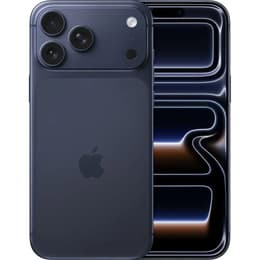
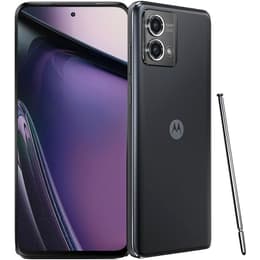
iPhone 17 Pro Max • Unlocked vs Motorola Moto G Stylus 5G (2023) • Unlocked

  • 1-year warranty
  • Free standard shipping
  • Free 30-day returns
iPhone 17 Pro Max • Unlocked
Starting at

Refurbished price:$1,055.00

Versus $1,199.00 new

See options

Differences at a glance

The iPhone 17 Pro Max (2025) and the Motorola Moto G Stylus 5G (2023) represent entirely different tiers and philosophies within the modern smartphone market. While the iPhone 17 Pro Max operates on iOS as a top-tier flagship device, the Motorola Moto G Stylus 5G runs on Android and caters to everyday utility with an integrated stylus pen. Choosing between them depends on whether you prioritize high-end mobile computing or practical productivity tools.

Available Models

Color

Storage

Scores

Durability

Device longevity varies significantly due to differing release timelines and software update commitments from each manufacturer.

  • Release timeline and support: The iPhone 17 Pro Max benefits from an extended software support window spanning many years, whereas the Motorola Moto G Stylus 5G (2023) operates on an earlier release schedule with a more limited update lifecycle.
  • Build durability: The iPhone features reinforced glass and robust unibody construction designed for long-term physical resilience, while the Motorola model utilizes practical composite materials suited to daily handling.
  • Expected lifespan: Users can expect multi-year functional longevity from both devices, though the iPhone maintains peak software compatibility further into the future.

Release Year

2025

2023

Last OS Compatibility

Yes

Yes

OS

iOS

Android

Foldable

No

No

Performance

Internal hardware configurations dictate how each device handles multitasking, storage capacity, and everyday software demands.

  • System responsiveness: The iPhone handles demanding applications, high-end mobile gaming, and intensive background tasks with exceptional fluidity. The Motorola manages everyday messaging, web browsing, and media streaming smoothly under standard use.
  • Storage capacity: The iPhone offers expansive internal storage configurations starting at higher base capacities, whereas the Motorola provides moderate internal storage alongside expandable storage via a memory card slot.
  • Battery behavior: Both devices manage daily power consumption effectively, supporting full days of typical mixed usage before requiring a recharge.

Screen quality

Display technologies differ notably, impacting media consumption, outdoor legibility, and visual clarity.

  • Display technology: The iPhone utilizes an advanced OLED panel delivering deep contrast levels and vibrant color accuracy. The Motorola employs a standard LCD screen that renders everyday text and video content clearly.
  • Refresh rate and smoothness: The iPhone incorporates adaptive high-refresh-rate technology for fluid scrolling, while the Motorola features a standard refresh rate tailored to basic viewing needs.
  • Outdoor brightness: High peak brightness capabilities on the iPhone ensure screen visibility under direct sunlight, whereas the Motorola display performs best in indoor or shaded environments.

Resolution

2868x1320

1080 x 2400

Screen type

Super Retina XDR

IPS LCD

Audiovisual

Optics and media output capabilities vary to accommodate casual photography and advanced video production needs alike.

  • Camera systems: The iPhone features a multi-lens array equipped for high-resolution photography, optical zoom, and detailed low-light captures. The Motorola utilizes a dual-camera setup suited for everyday snapshots and standard documentation.
  • Video recording: Professional-grade video tools, stabilization features, and high-framerate options distinguish the iPhone, while the Motorola records stable 1080p and basic 4K clips for personal use.
  • Audio and media: Stereo speakers on both units deliver clear sound output for hands-free calls, podcasts, and casual video playback.

Main camera

48 megapixels

50 megapixels

Front camera

18 megapixels

16 megapixels

Miscellaneous

Physical design traits and extra features define how each phone integrates into daily routines and specialized workflows.

  • Unique input methods: The Motorola features a built-in physical stylus for handwritten notes and precise screen navigation, a feature absent on the iPhone.
  • Connectivity standards: Both models support 5G connectivity, modern Wi-Fi protocols, and Bluetooth pairing for wireless accessories.
  • Port types and handling: The iPhone utilizes a universal USB-C connection within a heavier, structured frame, while the Motorola retains a lightweight profile and includes a traditional headphone jack alongside its charging port.

Weight

185 oz

202 oz

Screen size (inches)

6.9

6.8

Network

5G

5G

SIM card

eSIM

Physical SIM

Carrier compatibility

Unlocked

Unlocked

Connector

USB-C

USB-C

What the community thinks

User feedback from community discussions highlights distinct preferences for each device. Owners of the iPhone 17 Pro Max frequently praise its reliable processing power, display clarity, and robust camera versatility. Conversely, users of the Motorola Moto G Stylus 5G often commend its physical stylus utility, expandable storage convenience, and straightforward Android interface. Choosing a quality-assured refurbished option from Back Market can also provide a sustainable choice for acquiring either device while reducing electronic waste.

Users prioritizing advanced photography, maximum software longevity, and high-end processing will find the iPhone well-suited to their needs. Meanwhile, users prioritizing note-taking functionality, expandable memory, and everyday utility may lean toward the Motorola. Evaluating these core workflow differences ensures a selection that aligns closely with individual daily requirements.
Our recent comparisons