

Compare models

iPhone 17 Pro Max • Unlocked vs OnePlus 10 Pro • Unlocked

  • 1-year warranty
  • Free standard shipping
  • Free 30-day returns
iPhone 17 Pro Max • Unlocked
Starting at

Refurbished price:$1,219.00

Versus $1,199.00 new

See options

Differences at a glance

The iPhone 17 Pro Max (2025) and the OnePlus 10 Pro (2022) are high-performance smartphones built for users who demand advanced capabilities from their mobile devices. While they belong to different generations and operating systems, both devices serve as large-screen flagships designed to handle intensive daily tasks. Choosing between them involves weighing differences in software ecosystems, hardware evolution, and physical design.

Available Models

Color

Storage (GB)

Scores

Durability

These devices reflect different release timelines and software support windows, influencing their long-term viability.

    Software support duration: The iPhone 17 Pro Max benefits from an extended update schedule typical of recent Apple releases, ensuring multi-year security patches. The OnePlus 10 Pro operates on an older release timeline, meaning its remaining window for major operating system updates is shorter.
    Expected practical lifespan: Hardware build quality on both models supports multi-year daily use, though devices closer to their initial release date generally retain software compatibility for longer periods. Choosing a quality-assured refurbished option provides a sustainable choice that extends the active lifecycle of these electronics.
    Repairability: Both manufacturers provide structured repair pathways, though component availability and modular design differences mean repairs vary in complexity depending on the specific part needing service.

Release Year

2025

2022

Last OS Compatibility

Yes

Yes

OS

iOS

Android

Foldable

No

No

Performance

Underneath the surface, these models deliver fluid everyday handling through differing hardware configurations and storage tiers.

    Processor capabilities: Both handsets handle demanding applications, rapid multitasking, and graphic-heavy gaming smoothly without noticeable stutter during normal workloads. System fluidity remains high across everyday actions like web browsing, media streaming, and switching between active programs.
    Memory and storage: Ample random access memory allows background applications to stay active without constant reloading. Internal storage configurations vary, allowing users to select capacities that align with their media storage needs.
    Battery behavior: Battery endurance handles full days of moderate use on both models, though heavy gaming or prolonged video recording will require mid-day recharging depending on screen brightness settings.

Screen quality

Viewing experiences on both devices emphasize sharp detail, rich contrast, and fluid motion for media consumption and daily navigation.

    Display technology: Both models utilize advanced organic light-emitting diode panels that deliver deep black levels and vibrant color reproduction for photos and videos. Peak brightness levels ensure content remains legible under bright outdoor lighting conditions.
    Refresh rate and smoothness: Adaptive refresh rate technology scales up to high frequencies during scrolling and gaming to keep motion fluid, while scaling down during static tasks to conserve battery power.
    Size and ergonomics: Large screen real estate provides an immersive canvas for productivity and entertainment, though the expansive dimensions require two-handed use for comfortable reach across the entire panel.

Resolution

2868x1320

1440 x 3216

Screen type

Super Retina XDR

LTPO2 Fluid AMOLED

Audiovisual

Imaging capabilities on both smartphones cater to diverse photography styles through multi-lens rear arrays and capable front-facing sensors.

    Camera versatility: Main, ultra-wide, and telephoto lenses capture detailed landscape shots, close-up subjects, and distant details across varying lighting conditions. Low-light algorithms reduce visual noise in dimly lit environments.
    Video recording: High-resolution video capture modes support stable footage, smooth panning, and detailed audio recording for home videos or creative projects.
    Audio and media: Integrated stereo speaker setups deliver clear sound output for hands-free calls, podcasts, and casual video viewing without external headphones.

Main camera

48 megapixels

48 megapixels

Front camera

18 megapixels

32 megapixels

Miscellaneous

Physical builds, connectivity standards, and daily usability features shape how each device fits into regular routines.

    Connectivity and ports: Both models support modern cellular networks alongside fast wireless standards for dependable internet access. Charging and data transfer utilize standard physical connectors common to each ecosystem.
    Biometric security: Secure facial recognition or under-display fingerprint scanning provides quick unlocking and authentication for protected apps and digital payments.
    Build materials: Durable glass and metal framing provide structural rigidity, while official water and dust resistance ratings protect against accidental exposure to elements during travel. Selecting an eco-friendly alternative through a quality-assured refurbished option offers another path to acquiring these durable materials sustainably.

Weight

185 oz

7 oz

Screen size (inches)

6.9

6.7

Network

5G

5G

SIM card

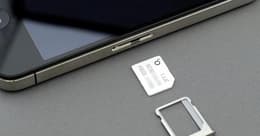
eSIM

Physical SIM

Carrier compatibility

Unlocked

Unlocked

What the community thinks

Users evaluating these two smartphones often point out distinct strengths regarding software preferences and hardware handling. Owners of the iPhone 17 Pro Max frequently praise its long-term software update horizon, fluid system animations, and robust build materials. Conversely, users of the OnePlus 10 Pro often highlight its fast wired charging speeds, customizable interface options, and large display canvas.

Users prioritizing long-term software support and deep ecosystem integration may prefer the iPhone 17 Pro Max, while users prioritizing rapid charging speeds and open software customization may lean toward the OnePlus 10 Pro. Both models present capable performance profiles tailored to different mobile preferences. Reviewing these practical differences helps determine which device aligns best with individual daily workflows.

Our recent comparisons